

 English
 русский
 Deutsch
 Türk
Türk 中文简体
中文简体
product
product
product
product
product
product
product
product
product
product
product
product
product
product
product
product
Product Category
Contact us
Message Feedback
About Us
JNS: Precision Sealing, Reliable Motion
– Engineered for Gas Springs & Dampers
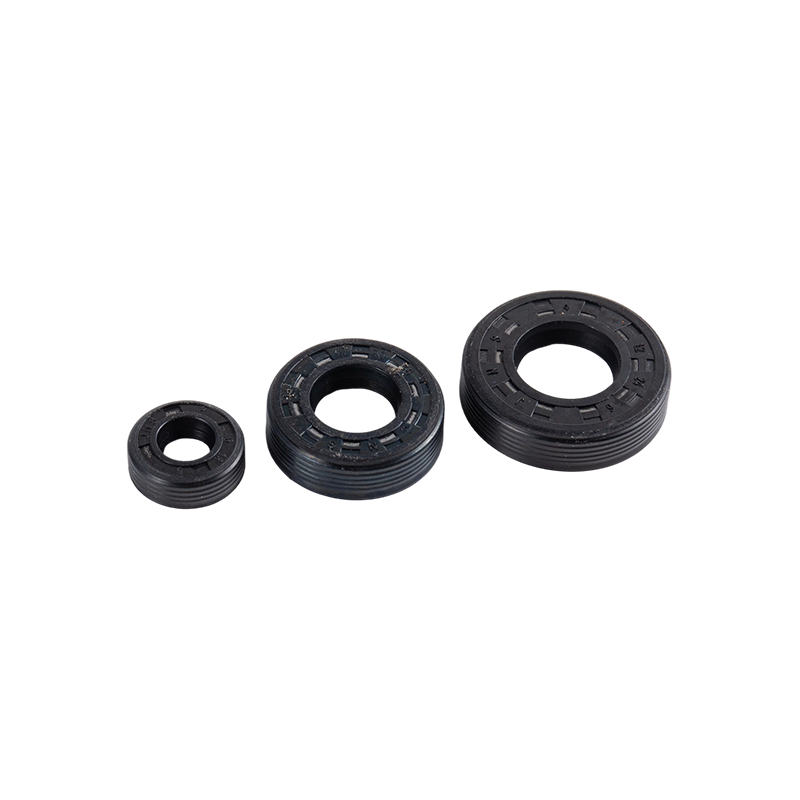
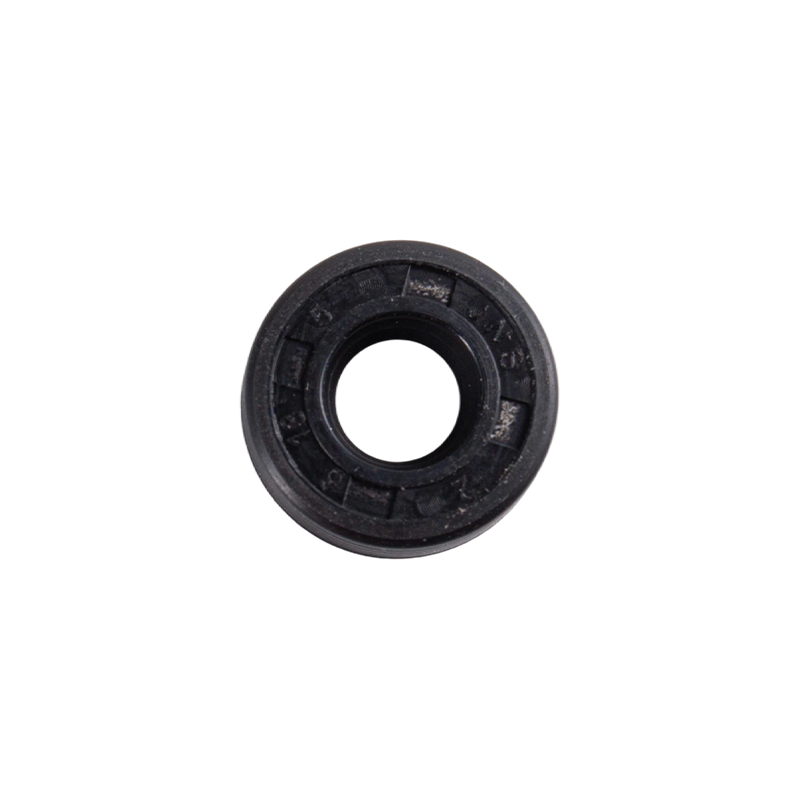
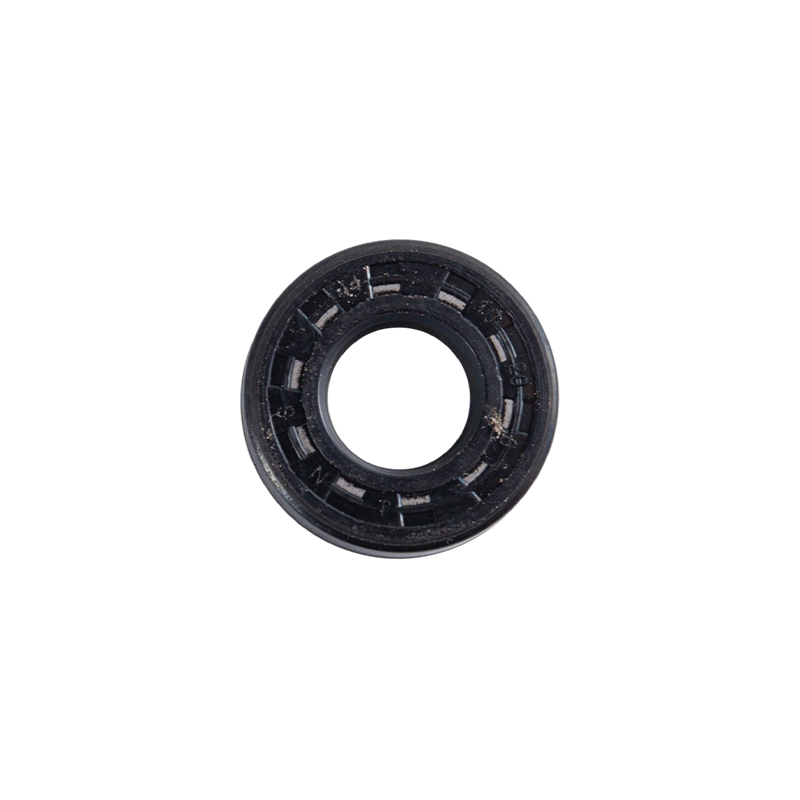
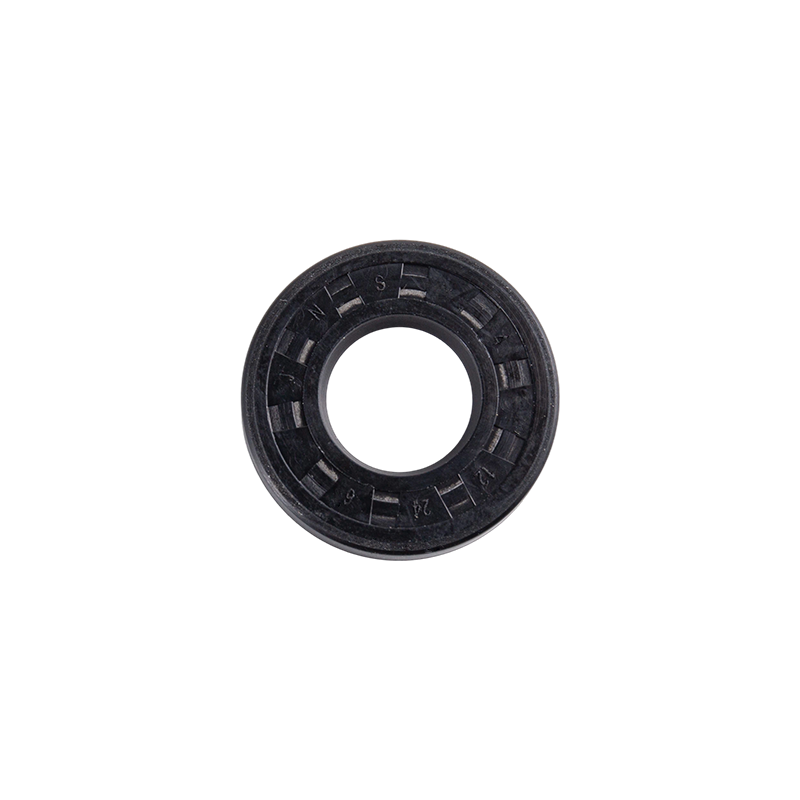
Ningguo Jnsseals Sealing Technology Co., Ltd. is dedicated to gas spring and damper sealing technologies, including high-quality O-rings. We are China O Ring Oil Seal Manufacturer and Wholesale L Seal Ring ODM Factory. Since 2019, we have been delivering reliable, durable, and cost-effective sealing solutions to the automotive, furniture, home appliance, medical equipment, and construction industries. Whether facing extreme wear, high temperatures, or demanding long-life requirements, JNS is built to perform.
We believe that a great seal is not just a component—it's a promise. With automated smart manufacturing, eco-friendly processes, and rigorous quality control, JNS products excel in sealing performance, durability, and value. Choose JNS for stability, safety, and trust that lasts.
Contact: jns@jnsseals.cn
Read More

Ningguo Jnsseals Sealing Technology Co., Ltd.
Ningguo Jnsseals Sealing Technology Co., Ltd.
Ningguo Jnsseals Sealing Technology Co., Ltd.
Ningguo Jnsseals Sealing Technology Co., Ltd.
Ningguo Jnsseals Sealing Technology Co., Ltd.
Ningguo Jnsseals Sealing Technology Co., Ltd.
Ningguo Jnsseals Sealing Technology Co., Ltd.
What's News
Industry Insights & Updates
View All News
-
2026-10-16Industry news
-
2026-10-09Industry news
-
2026-10-01Industry news
Industry Knowledge
L Seal Ring Operating Parameters: Pressure Ratings and Temperature Ranges
The L Seal Ring (L-shaped sealing ring) is a unidirectional lip seal primarily used for piston sealing in hydraulic and pneumatic cylinders. Its pressure and temperature capabilities vary significantly depending on material selection and structural design. Below is a comprehensive overview of applicable parameters based on industry standards.
1. Pressure Ratings by Material and Type
The pressure capacity of L Seal Rings depends on whether the seal is made of pure rubber or fabric-reinforced compound:
- Standard pure rubber L-shaped seals are suitable for working pressures not greater than 1MPa, as specified in HG4-331-66 standards.
- Fabric-reinforced L-shaped seals offer higher pressure ratings. The Valqua 2625L (cloth-reinforced NBR) is rated for up to 6.9MPa {70kgf/cm²}, while the 4625L (cloth-reinforced FPM) provides similar pressure capability with extended temperature range.
- Polyurethane L seals can handle pressures up to 32MPa, making them suitable for high-pressure hydraulic applications.
- Some manufacturers offer L seals with metal reinforcement, capable of reaching 40MPa or higher in specific configurations.
2. Temperature Ranges by Material
L Seal Ring operating temperature is primarily determined by the elastomer compound:
- NBR (Nitrile, Rubber I): -20°C to +80°C, suitable for oil-based media.
- NBR (alternative grade): -40°C to +80°C, with some products rated up to 150°C.
- Rubber II grade: -35°C to +60°C, specifically for water-based media.
- FPM (FKM, Fluorocarbon, 4625L): -20°C to +150°C (working temperature).
- General L seals: Some commercial products claim temperature ranges up to 200°C for special compounds.
3. Parameter Comparison Table
| Material / Type | Pressure Capability | Temperature Range | Media Compatibility | Reference Standard |
|---|---|---|---|---|
| Rubber I (NBR) - Pure | ≤1 MPa | -20°C to +80°C | Oil-based fluids | HG4-331-66 |
| Rubber II - Pure | ≤1 MPa | -35°C to +60°C | Water-based fluids | HG4-331-66 |
| Cloth-reinforced NBR (2625L) | ≤6.9 MPa | ≤80°C | Petroleum-based oils, water | Valqua |
| Cloth-reinforced FPM (4625L) | ≤6.9 MPa | ≤150°C | Phosphate ester fluids | Valqua |
| Polyurethane (PU) | ≤32 MPa | -40°C to +80°C | Hydraulic fluids | Industry standard |
4. Application Considerations
L Seal Rings are typically used for piston sealing in reciprocating applications. Key considerations include:
- Working pressure not greater than 1MPa for standard pure rubber L-rings, with higher pressure requiring cloth reinforcement or polyurethane materials.
- Larger diameter low-pressure cylinders may experience sealing difficulties due to insufficient lip opening, potentially causing either complete sealing or no sealing at all.
- The seal requires proper installation with a retaining plate; over-tightening can cause early wear and leakage, particularly in high-pressure, long-stroke, high-speed applications.
Frequently Asked Questions (FAQs)
1. What is the maximum pressure an L Seal Ring can withstand?
The pressure limit depends on the material and reinforcement. Standard pure rubber L-rings are rated for ≤1MPa (HG4-331-66). Cloth-reinforced types handle up to 6.9MPa, while polyurethane and metal-reinforced designs can reach 32MPa or higher. Ningguo Jnsseals Sealing Technology Co., Ltd. offers customized material recommendations based on specific application pressure requirements, ensuring optimal performance and longevity.
2. Which material should I choose for high-temperature hydraulic applications?
For elevated temperatures, FPM (fluorocarbon) cloth-reinforced L-rings offer service up to 150°C with good chemical resistance. Standard NBR is limited to approximately 80°C. For applications up to 32MPa pressure, polyurethane provides excellent wear resistance but has similar temperature limitations to NBR. Ningguo Jnsseals Sealing Technology Co., Ltd. can perform comprehensive temperature and media compatibility assessments to recommend the most suitable material for your specific operating conditions.
3. Why do standard L Seal Rings have such a low pressure rating (1MPa), while reinforced versions can handle much higher pressures?
The 1MPa rating applies to pure rubber L-rings designed for light-duty pneumatic and low-pressure hydraulic systems. The metal or fabric reinforcement prevents extrusion and deformation under higher pressures. Cloth reinforcement increases pressure capability to 6.9MPa, while polyurethane and metal-supported designs extend capability up to 32MPa or more. Ningguo Jnsseals Sealing Technology Co., Ltd. provides engineering consultation to help customers select between standard and reinforced designs based on their actual pressure, speed, and duty cycle requirements.


Want to know more
about us?
about us?

Precision sealing for gas springs and dampers. Durable, wear-resistant, and built for long-life performance in demanding applications.
Product Categories
Quick Links
Contact Us
-
Email: jns@jnsseals.cn

-
Manager Gong: +86-18563770820

-
Manager Wang: +8615357558902
-
No. 5, Meilin Avenue, Meilin Industrial Development Zone, Ningguo City, Anhui Province, China

