

 English
 русский
 Deutsch
 Türk
Türk 中文简体
中文简体
product
product
product
product
product
product
product
product
product
product
product
product
product
product
product
product

Product Category
Contact us
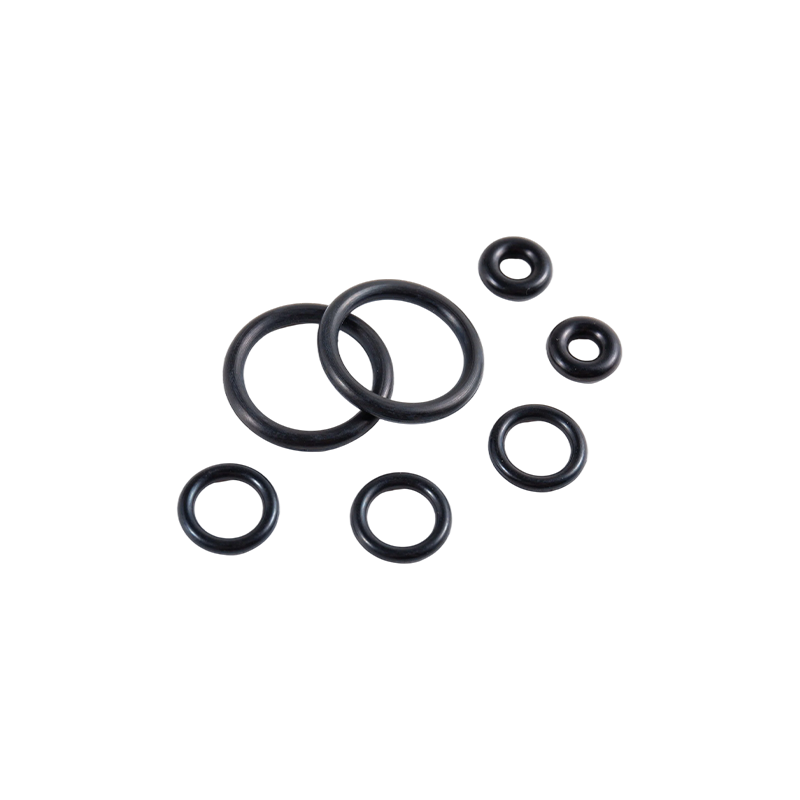
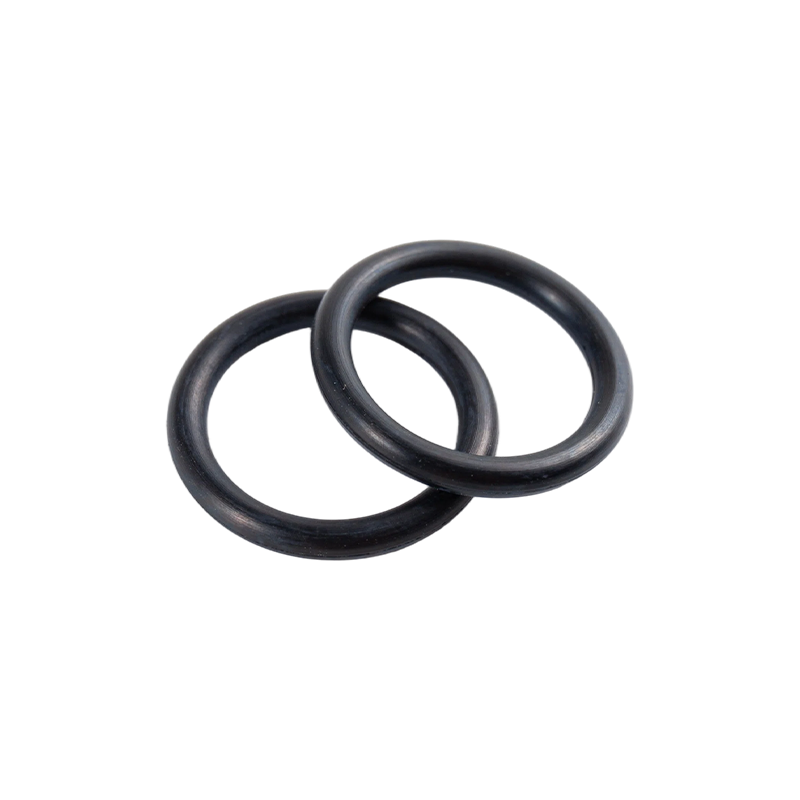
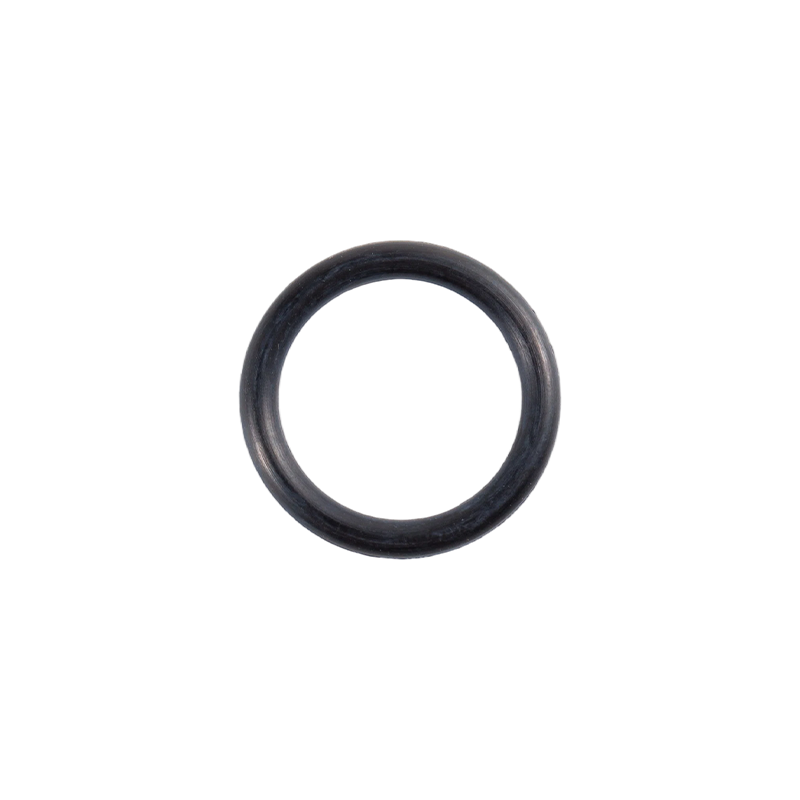
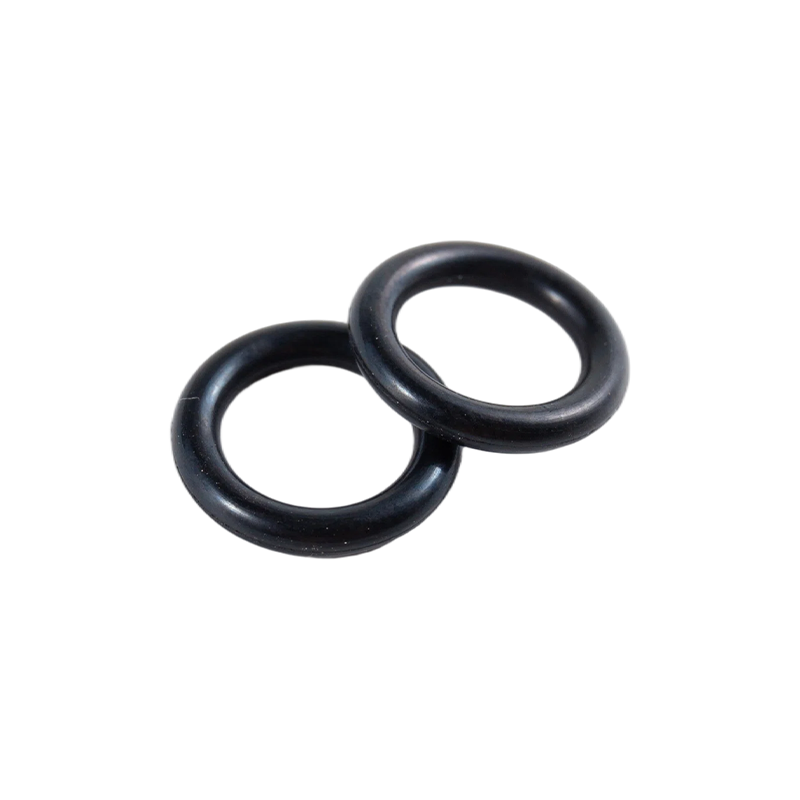
O-Shaped Oil Seal Ring ODM Manufacturers
-
Micro-Bore Precision O-Ring
-
9mm Series NBR Sealing Washer
-
7x1.9 Standard Kinetic O-Ring
-
7.3mm Pneumatic-Grade Seal
-
10mm Standard Static Gasket
-
13mm Slim-Section Oil-Resistant Ring
-
13mm Reinforced Sealing Gasket
-
13.3mm Precision-Fit O-Ring
-
13mm Standard General-Purpose Seal
-
16mm Industrial Fluid Seal Ring
-
16mm Thickened Anti-Vibration Seal
-
20mm Medium-Duty Hydraulic O-Ring

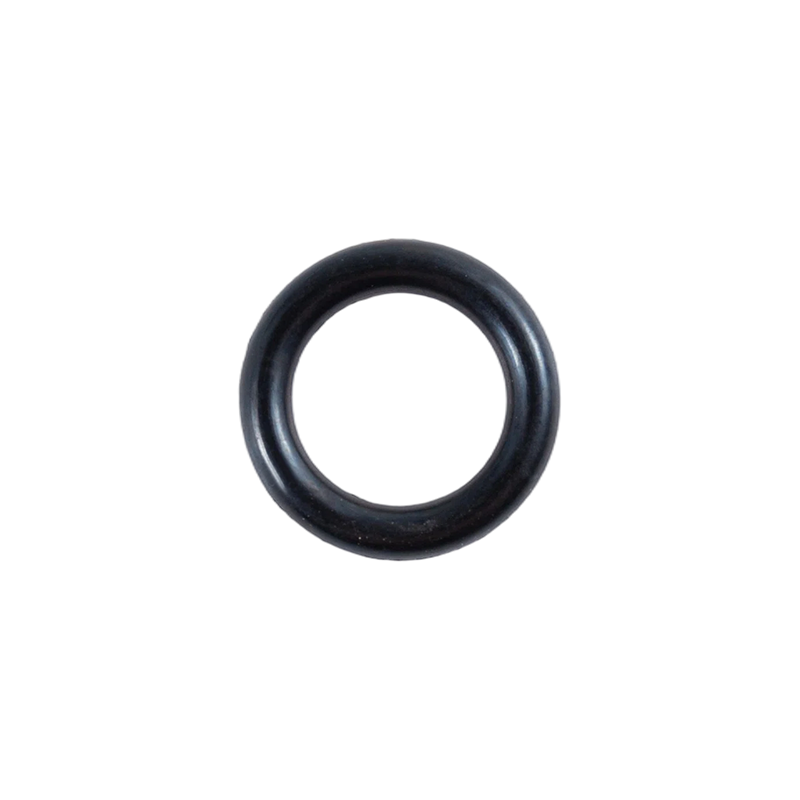
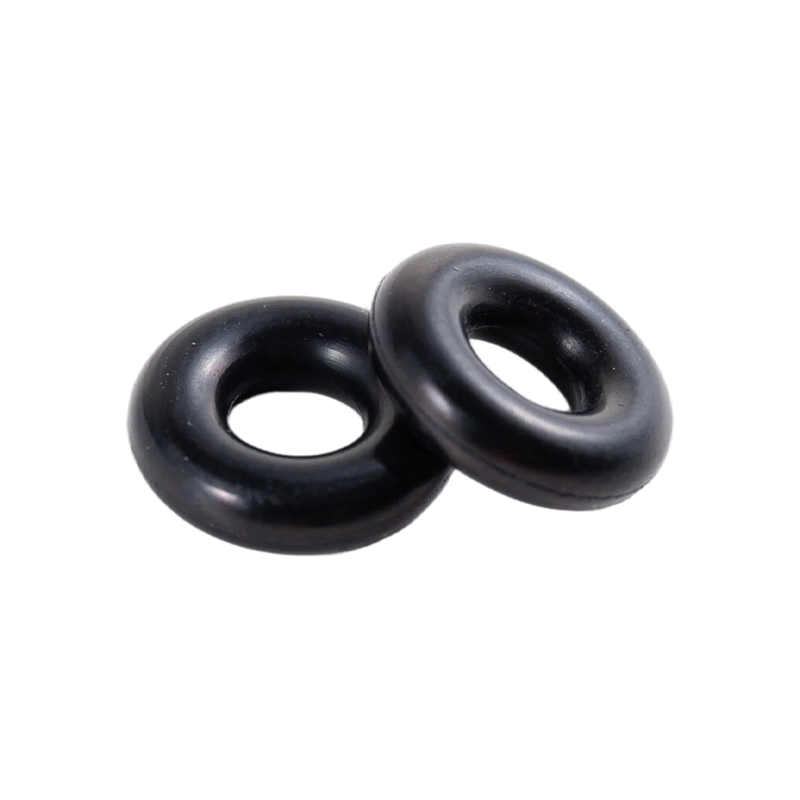
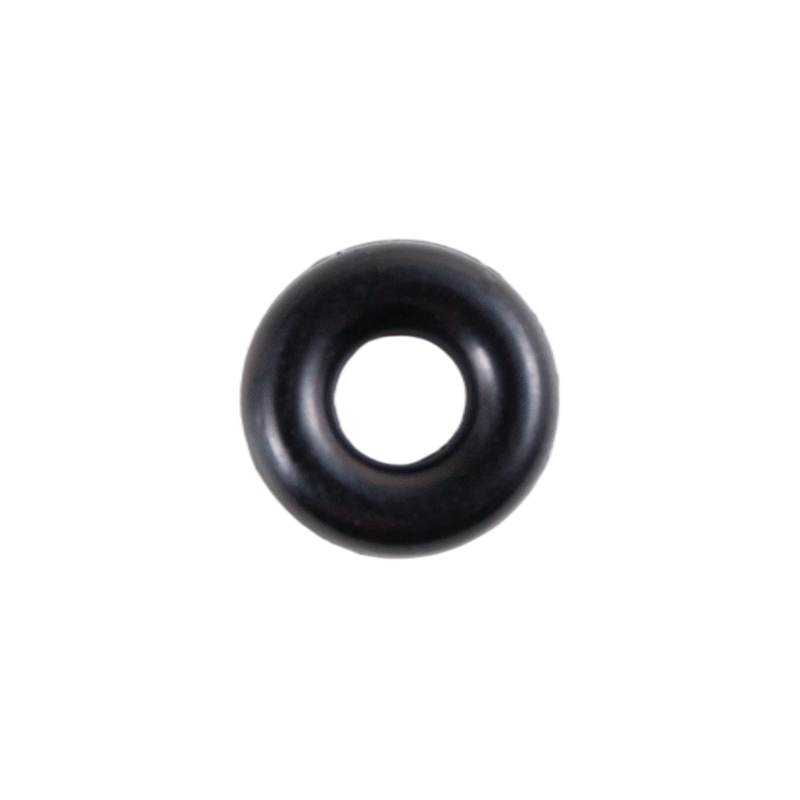



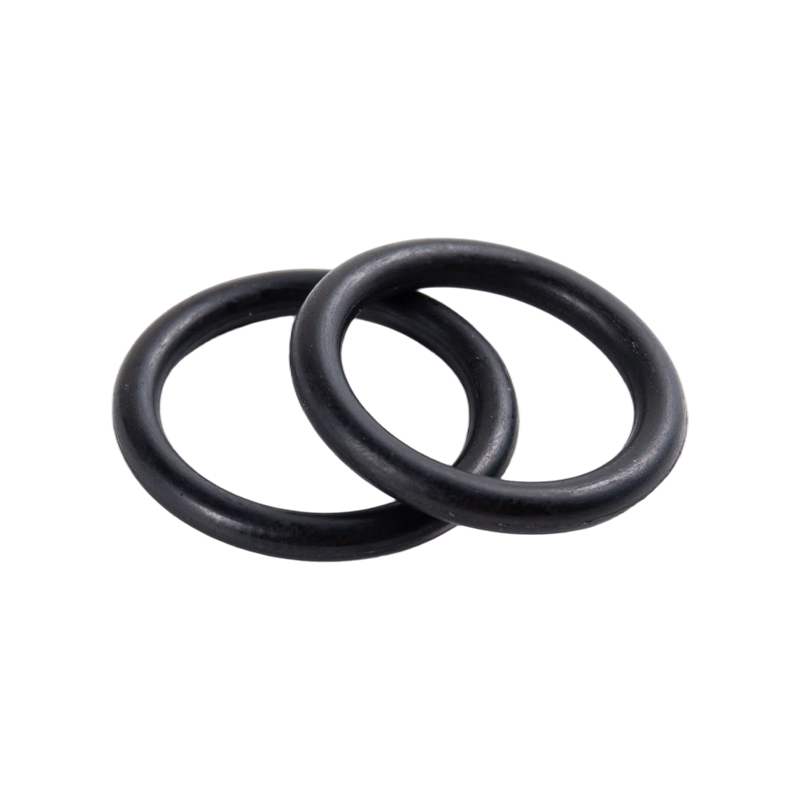
Message Feedback
About Us
JNS: Precision Sealing, Reliable Motion
– Engineered for Gas Springs & Dampers
Ningguo Jnsseals Sealing Technology Co., Ltd. is dedicated to gas spring and damper sealing technologies, including high-quality O-rings. We are China NBR O Ring Material Manufacturer and Wholesale O-Shaped Oil Seal Ring ODM Factory. Since 2019, we have been delivering reliable, durable, and cost-effective sealing solutions to the automotive, furniture, home appliance, medical equipment, and construction industries. Whether facing extreme wear, high temperatures, or demanding long-life requirements, JNS is built to perform.
We believe that a great seal is not just a component—it's a promise. With automated smart manufacturing, eco-friendly processes, and rigorous quality control, JNS products excel in sealing performance, durability, and value. Choose JNS for stability, safety, and trust that lasts.
Contact: jns@jnsseals.cn
Read More


Ningguo Jnsseals Sealing Technology Co., Ltd.
Ningguo Jnsseals Sealing Technology Co., Ltd.
Ningguo Jnsseals Sealing Technology Co., Ltd.
Ningguo Jnsseals Sealing Technology Co., Ltd.
Ningguo Jnsseals Sealing Technology Co., Ltd.
Ningguo Jnsseals Sealing Technology Co., Ltd.
Ningguo Jnsseals Sealing Technology Co., Ltd.
What's News
Industry Insights & Updates
View All News
-
2026-10-16Industry news
-
2026-10-09Industry news
-
2026-10-01Industry news
Industry Knowledge
Compression Rate Setting for O-Shaped Oil Seal Rings: Static vs. Dynamic Sealing Conditions
The O-Shaped Oil Seal Ring is the most widely used sealing element in hydraulic and pneumatic systems. Its compression rate, defined as the percentage reduction in cross-section diameter upon installation, is the single most critical parameter determining seal effectiveness and service life.
1. Compression Rate Settings for Different Applications
Industry standards provide distinct compression rate ranges based on the application type.
Static Sealing (No Relative Motion)
- Recommended compression rate: 15% to 30%
- Plane static sealing typically uses 15% to 30%
- Cylindrical static sealing generally uses 10% to 15%
Dynamic Sealing (Reciprocating or Rotary Motion)
- Reciprocating motion: 9% to 25%, with a narrower recommended range of 10% to 15%
- Rotary motion: 3% to 8% (must account for Joule heating effect)
- Low-friction applications: 5% to 8%
Special Application Considerations
- Pneumatic systems: 15% to 25% for static seals, 10% to 20% for dynamic seals
- High-temperature applications: Smaller compression rates are recommended to compensate for thermal expansion and reduce stress relaxation
- Nuclear reactor pressure vessels: 12% to 16% based on specialized engineering analysis
2. Risks of Excessive Compression Rate
When compression exceeds the recommended range, the following failures may occur:
- Accelerated compression set: The rubber loses its elastic recovery capability. Compression set exceeding 40% typically results in loss of sealing function
- Stress relaxation: Higher compression accelerates the reduction of initial sealing stress over time, causing premature loss of seal force
- Increased friction and heat generation: Particularly problematic in dynamic applications, where friction heat accelerates rubber aging and wear
- Extrusion into clearance gaps: When compression exceeds 15% under high pressure, the O-ring is more susceptible to being forced into gaps, causing nibbling damage
- Early wear and shear damage: In dynamic sealing, excessive compression significantly increases wear rates
3. Risks of Insufficient Compression Rate
When compression falls below the recommended range:
- Insufficient initial contact pressure leads to leakage even at low system pressures
- Inability to compensate for eccentricity: In dynamic applications, insufficient compression cannot accommodate shaft misalignment
- Inability to compensate for thermal contraction: At low temperatures, rubber shrinkage may completely eliminate the seal gap
- Higher probability of damage under pressure: Research shows that when compression rate is below 5% and medium pressure exceeds 2.5 MPa, the probability of seal damage increases significantly
4. Parameter Comparison Table
| Application Type | Recommended Compression Rate | Consequence of Exceeding | Consequence of Insufficient |
|---|---|---|---|
| Static Sealing (Plane) | 15% - 30% | Excessive permanent deformation, loss of elasticity | Insufficient initial seal force, leakage |
| Static Sealing (Cylindrical) | 10% - 15% | Stress relaxation accelerates | Inability to compensate for eccentricity |
| Dynamic (Reciprocating) | 9% - 25% or 10% - 15% |
High friction, heat, accelerated wear | Leakage, especially at elevated pressures |
| Dynamic (Rotary) | 3% - 8% | Rapid heat generation, failure | Insufficient seal force |
| Low-Friction Applications | 5% - 8% | Excessive friction, defeats purpose | Leakage risk |
Frequently Asked Questions (FAQs)
1. Why is the compression rate for dynamic seals lower than for static seals?
Dynamic seals require lower compression to reduce sliding friction and heat generation, both of which accelerate wear and shorten seal life. Static seals can tolerate higher compression because they experience no relative motion, so friction is not a factor. However, even static seals must avoid excessive compression to prevent permanent set and stress relaxation over time.
2. How does Ningguo Jnsseals Sealing Technology Co., Ltd. determine the optimal compression rate for a specific application?
Ningguo Jnsseals Sealing Technology Co., Ltd. performs comprehensive application analysis covering operating pressure, temperature range, motion type (static, reciprocating, or rotary), media compatibility, and cycle duty. Using finite element analysis (FEA) and material testing, JNS engineers determine the precise groove dimensions and compression rate required to achieve optimal sealing performance while minimizing long-term degradation risks. This engineered approach ensures customers receive a seal that balances initial sealing effectiveness with extended service life.
3. What hidden factor often causes O-ring compression rate calculations to be inaccurate?
During installation, O-rings are often stretched or compressed circumferentially to fit into the groove. An overlooked factor is that circumferential stretching causes a corresponding reduction in cross-section diameter — a 1% stretch reduces the cross-section diameter by approximately 0.5%. This means the actual compression rate may be lower than calculated from the nominal cross-section. Ningguo Jnsseals Sealing Technology Co., Ltd. accounts for this stretching effect during the design phase, ensuring the final installed compression rate meets the target specification.
NBR O-Ring Chemical Compatibility: Where It Excels, Where It Fails, and How to Choose Wisely
Ningguo Jnsseals Sealing Technology Co., Ltd. is a high-tech enterprise focusing on the research, development, and application of sealing technology for gas springs and dampers, as well as related supporting O-ring products. Founded in 2019 and headquartered in Anhui, China, JNS is committed to providing high-performance sealing solutions to customers worldwide. With strong R&D capabilities, advanced production equipment, and a professional technical service team, JNS has established a solid reputation in the field of sealing technology.
Product R&D and Manufacturing: The company focuses on the R&D and production of high-performance sealing materials for gas springs, with products widely used in automotive, furniture, home appliances, medical equipment, construction, and other sectors. Technical Support and Services: Providing customized sealing solutions to customers, including product design, testing, and technical consultation.
The NBR O Ring Material made from NBR (Nitrile Butadiene Rubber) is the most widely used sealing material in industrial applications. Its popularity stems from an excellent balance of performance and cost-effectiveness. However, understanding its chemical compatibility boundaries is essential for reliable seal performance.
1. Recommended Media: Where NBR Excels
NBR O-rings demonstrate outstanding resistance to a broad range of petroleum-based and aliphatic fluids.
- Petroleum oils, mineral oils and greases, diesel fuel, fuel oils
- Aliphatic hydrocarbons (propane, butane)
- Vegetable and animal oils, silicone oils and greases
- Hydraulic fluids: HFA, HFB, and HFC types
- Water up to 100°C (212°F) — special compounds may be required
- Dilute acids, alkali, and salt solutions at room temperature
- Ethylene glycol-based fluids
- Di-ester base lubricants
Due to this broad compatibility, NBR is the default material for most hydraulic and fuel system applications, offering good resistance to compression set, tear, and abrasion.
2. Incompatible Media: The "No-Go" Zones
NBR is fundamentally incompatible with several classes of chemicals. Exposure to these media typically causes swelling, degradation, or complete seal failure.
- Aromatic hydrocarbons: benzene, toluene
- Chlorinated hydrocarbons: trichloroethylene, carbon tetrachloride
- Polar solvents: ketones (MEK, acetone), esters, aldehydes
- Phosphate ester hydraulic fluids: Skydrol, Fyrquel — these require EPDM seals instead
- Glycol-based automotive brake fluids
- Strong acids: nitric acid, formic acid, peracetic acid
- Ozone, direct sunlight, UV, and outdoor weathering — basic NBR is vulnerable without special formulation
- Fuels with high aromatic content (e.g., flex fuels)
3. The Acrylonitrile Content Trade-off
NBR's acrylonitrile (ACN) content ranges from 18% to 50% and significantly influences its performance.
- Higher ACN content: Better resistance to oils, fuels, and polar media, but reduced low-temperature flexibility and elasticity
- Lower ACN content: Superior cold flexibility (down to -50°C or lower) but poorer chemical resistance
Standard NBR compounds typically use a medium ACN content (around 34%) as a compromise between oil resistance and low-temperature performance.
4. Compatibility Parameter Overview
| Media Category | Compatibility Rating | Remarks |
|---|---|---|
| Petroleum oils, mineral oils | Excellent | Primary application area |
| Aliphatic hydrocarbons (propane, butane) | Excellent | Suitable for fuel systems |
| Water (up to 100°C) | Good | Special compounds may be required |
| Dilute acids, alkalis (room temp) | Good | Limited to low concentrations |
| Aromatic hydrocarbons | Poor | Causes swelling |
| Chlorinated hydrocarbons | Poor | Not recommended |
| Polar solvents (ketones, esters) | Poor | Severe degradation risk |
| Phosphate ester fluids | Poor | Use EPDM instead |
| Ozone, weathering | Poor | Vulnerable; consider HNBR for improved resistance |
Frequently Asked Questions (FAQs)
1. What is the most common mistake made when selecting an NBR O-ring for a new application?
The most frequent oversight is assuming NBR is compatible with all "oil-based" fluids. Fluids containing aromatic hydrocarbons, certain additives, or polar solvents can cause swelling or degradation even if they appear oil-like. For example, a fuel with high aromatic content or a hydraulic fluid containing phosphate esters will damage NBR seals rapidly. Ningguo Jnsseals Sealing Technology Co., Ltd. recommends always confirming the fluid's full chemical composition and, when in doubt, conducting immersion tests or requesting compatibility data from the supplier.
2. Why does the same NBR material sometimes perform well in one application and fail in another?
The performance of NBR depends on several interacting factors: the specific compound formulation (including the ACN content, curing system, and additives), operating temperature, and the exact chemical composition of the media. A standard NBR O-ring might work well with petroleum oil at 80°C but fail with the same oil at 120°C due to accelerated aging. Similarly, higher ACN content improves oil resistance but reduces low-temperature flexibility. Ningguo Jnsseals Sealing Technology Co., Ltd. provides customized material recommendations based on a comprehensive analysis of the full application profile — temperature, pressure, media, and duty cycle — to ensure the right NBR compound is selected.
3. When should I choose HNBR or FPM over standard NBR for an application where NBR has medium compatibility?
HNBR (hydrogenated NBR) offers significantly improved resistance to heat, ozone, and aging while retaining similar oil resistance to NBR. It is the natural upgrade when NBR is marginal due to temperature or ozone exposure. FPM (fluorocarbon / Viton) provides superior chemical and temperature resistance (up to 200°C) but is substantially more expensive and has poorer low-temperature properties than NBR. Ningguo Jnsseals Sealing Technology Co., Ltd. uses a total cost of ownership approach to help customers evaluate whether the added performance of HNBR or FPM justifies the higher material cost compared to standard NBR.


Want to know more
about us?
about us?

Precision sealing for gas springs and dampers. Durable, wear-resistant, and built for long-life performance in demanding applications.
Product Categories
Quick Links
Contact Us
-
Email: jns@jnsseals.cn

-
Manager Gong: +86-18563770820

-
Manager Wang: +8615357558902
-
No. 5, Meilin Avenue, Meilin Industrial Development Zone, Ningguo City, Anhui Province, China

