

 English
 русский
 Deutsch
 Türk
Türk 中文简体
中文简体
product
product
product
product
product
product
product
product
product
product
product
product
product
product
product
product

Product Category
Contact us
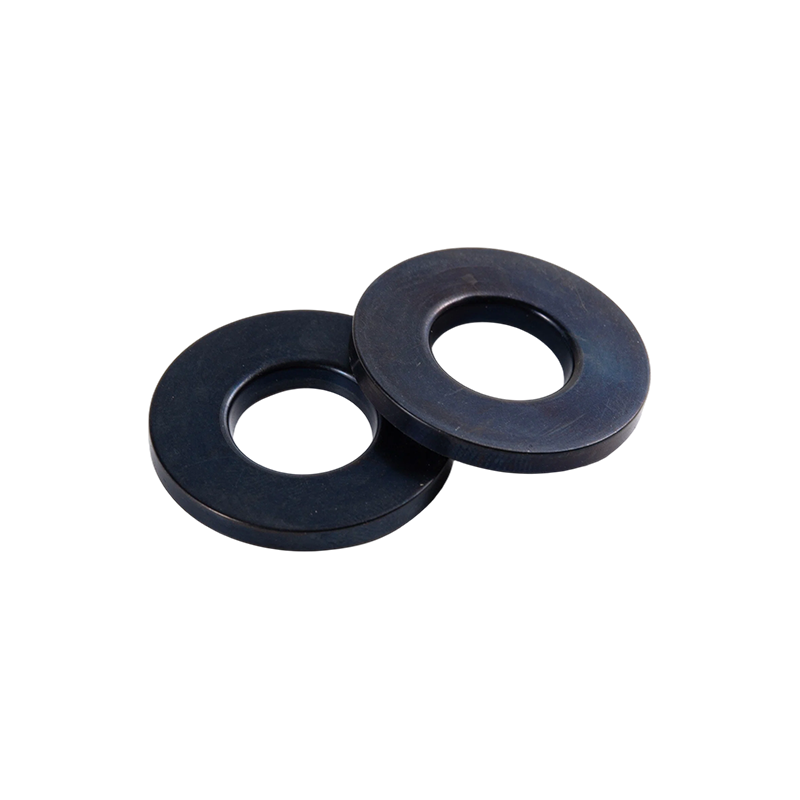
Miscellaneous Sealing Ring ODM Manufacturers
Message Feedback
About Us
JNS: Precision Sealing, Reliable Motion
– Engineered for Gas Springs & Dampers
Ningguo Jnsseals Sealing Technology Co., Ltd. is dedicated to gas spring and damper sealing technologies, including high-quality O-rings. We are China Miscellaneous Sealing Ring Manufacturer and Wholesale Miscellaneous Sealing Ring ODM Factory. Since 2019, we have been delivering reliable, durable, and cost-effective sealing solutions to the automotive, furniture, home appliance, medical equipment, and construction industries. Whether facing extreme wear, high temperatures, or demanding long-life requirements, JNS is built to perform.
We believe that a great seal is not just a component—it's a promise. With automated smart manufacturing, eco-friendly processes, and rigorous quality control, JNS products excel in sealing performance, durability, and value. Choose JNS for stability, safety, and trust that lasts.
Contact: jns@jnsseals.cn
Read More


Ningguo Jnsseals Sealing Technology Co., Ltd.
Ningguo Jnsseals Sealing Technology Co., Ltd.
Ningguo Jnsseals Sealing Technology Co., Ltd.
Ningguo Jnsseals Sealing Technology Co., Ltd.
Ningguo Jnsseals Sealing Technology Co., Ltd.
Ningguo Jnsseals Sealing Technology Co., Ltd.
Ningguo Jnsseals Sealing Technology Co., Ltd.
What's News
Industry Insights & Updates
View All News
-
2026-10-16Industry news
-
2026-10-09Industry news
-
2026-10-01Industry news
Industry Knowledge
Failure Mode Differences of Miscellaneous Sealing Rings Between Dynamic and Static Sealing Conditions
Miscellaneous Sealing Rings encompass a broad range of non-standard sealing profiles including V-rings, U-rings, YX-rings, and X-rings. Understanding the fundamental differences in failure modes between dynamic and static applications is critical for proper material selection and design optimization.
1. Dynamic Sealing Failure Modes
In dynamic applications where the seal moves relative to the mating surface, failures primarily result from mechanical interaction and friction-related phenomena. Common failure modes include:
- Twisting and binding: During reciprocating motion, the seal may rotate within the groove due to non-uniform friction, causing loss of sealing contact.
- Full circumferential wear: Uniform abrasion around the entire sealing lip surface, typically caused by rough sliding surface finish or inadequate lubrication.
- Localized wear: Asymmetric wear patterns often resulting from rod bending, misalignment, or eccentric motion.
- Spiral failure: In reciprocating rod seals, the seal may develop a spiral twist due to stick-slip motion and uneven friction distribution.
- Contamination-induced damage: Sand, debris, or particles adhering to the rod surface scrape and abrade the seal during movement.
2. Static Sealing Failure Modes
Static seals operate in a fixed position with no relative motion. Failures in this condition are primarily driven by material degradation over time and environmental factors. Common failure modes include:
- Hardening and embrittlement: Thermal or chemical degradation causes the rubber to lose flexibility, reducing its ability to conform to mating surfaces.
- Swelling: Incompatible fluids or chemicals cause volumetric expansion, leading to distortion and loss of contact pressure.
- Compression set: Permanent deformation of the seal under sustained compression results in reduced contact force and leakage pathways.
- Extrusion and nibbling: Under high pressure, the seal material is forced into clearance gaps, causing tearing or local fractures.
- Fretting corrosion: At the seal interface, repeated micro-movements under vibration can cause localized surface damage.
3. Material-Related Failure Factors
Material selection significantly influences failure mode susceptibility. In dynamic applications, abrasion resistance and low friction are paramount. In static applications, thermal stability and resistance to compression set take priority. Additionally, for a given material, dynamic seals fail earlier due to cumulative fatigue from cyclic loading.
4. Comparative Failure Mode Matrix
| Failure Mode | Dynamic Occurrence | Static Occurrence | Primary Cause |
|---|---|---|---|
| Twisting/Binding | High | Low | Non-uniform friction during motion |
| Wear (Circumferential) | High | None | Surface roughness, lack of lubrication |
| Wear (Localized) | High | None | Rod misalignment or eccentricity |
| Hardening/Embrittlement | Medium | High | Excessive temperature, ozone, aging |
| Swelling | Medium | High | Chemical incompatibility |
| Compression Set | Medium | High | Sustained compression, heat |
| Extrusion/Nibbling | Medium | High | Excessive pressure, gap clearance |
| Contamination Damage | High | Low | Foreign particles on sealing surface |
| Spiral Failure | High | None | Stick-slip motion in dynamic seals |
5. Design Considerations Based on Failure Mode Analysis
- For dynamic seals, priority should be given to material hardness, surface finish of mating parts (Ra 0.2-0.4 µm), and adequate lubrication. The seal should be designed to minimize friction and prevent twisting.
- For static seals, focus on compression ratio control (typically 15-25% for O-rings), chemical compatibility, and thermal stability. Backup rings may be required for high-pressure applications.
- In mixed static-dynamic applications, such as rotary seals with intermittent motion, combined design strategies are necessary.
Frequently Asked Questions (FAQs)
1. Why do dynamic seals fail more quickly than static seals in the same environment?
Dynamic seals are subjected to continuous mechanical friction, cyclic deformation, and heat generation, all of which accelerate material fatigue and wear. Static seals face only sustained compression and environmental degradation without the mechanical stress of motion. This difference explains why dynamic seals typically require more frequent inspection and replacement. Ningguo Jnsseals Sealing Technology Co., Ltd. offers specialized material compounds with enhanced abrasion and friction properties for demanding dynamic applications.
2. How does Ningguo Jnsseals Sealing Technology Co., Ltd. help customers select the right seal for dynamic vs. static applications?
Ningguo Jnsseals Sealing Technology Co., Ltd. provides comprehensive technical consultation covering operating conditions including pressure, temperature, speed, stroke length, and media compatibility. Using CAE simulation and material testing, JNS engineers evaluate the expected failure mode risks for each application. Based on this analysis, JNS recommends the optimal profile design, material hardness, and compound composition to maximize service life.
3. What is the most common hidden cause of static seal failure that is often overlooked during design?
Compression set is frequently underestimated in static seal design. Even when initial compression is adequate, prolonged exposure to elevated temperatures causes the rubber to lose its elastic recovery capability. A seal with 15% compression set can lose up to 80% of its initial sealing force after extended service. Ningguo Jnsseals Sealing Technology Co., Ltd. addresses this by recommending materials with low compression set characteristics, such as FPM or specially formulated HNBR, and by providing detailed groove design guidance to ensure compression ratios are kept within safe limits.


Want to know more
about us?
about us?

Precision sealing for gas springs and dampers. Durable, wear-resistant, and built for long-life performance in demanding applications.
Product Categories
Quick Links
Contact Us
-
Email: jns@jnsseals.cn

-
Manager Gong: +86-18563770820

-
Manager Wang: +8615357558902
-
No. 5, Meilin Avenue, Meilin Industrial Development Zone, Ningguo City, Anhui Province, China

