

 English
 русский
 Deutsch
 Türk
Türk 中文简体
中文简体
product
product
product
product
product
product
product
product
product
product
product
product
product
product
product
product
Product Category
Contact us
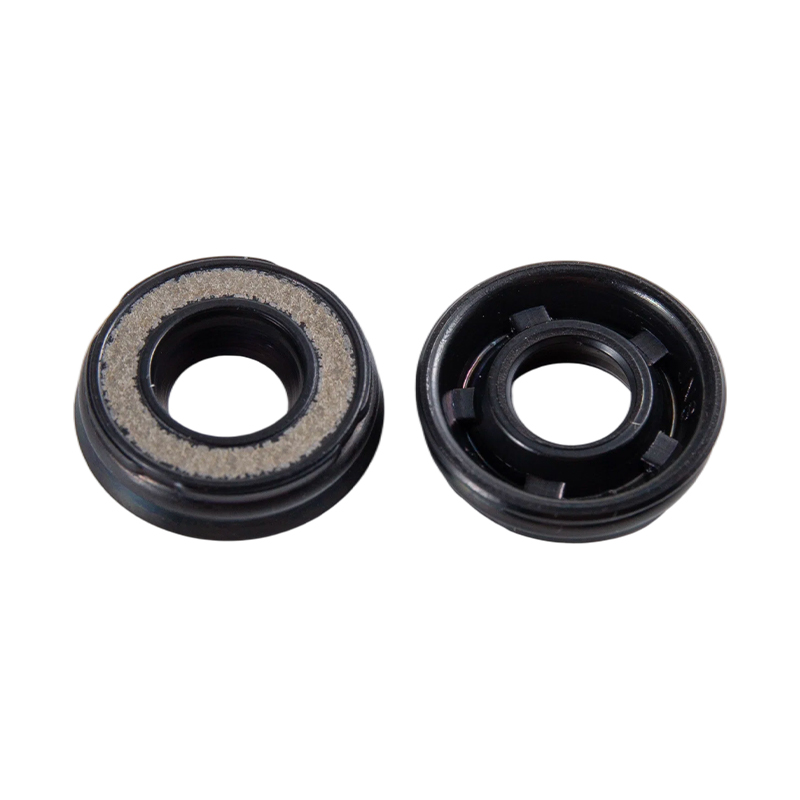
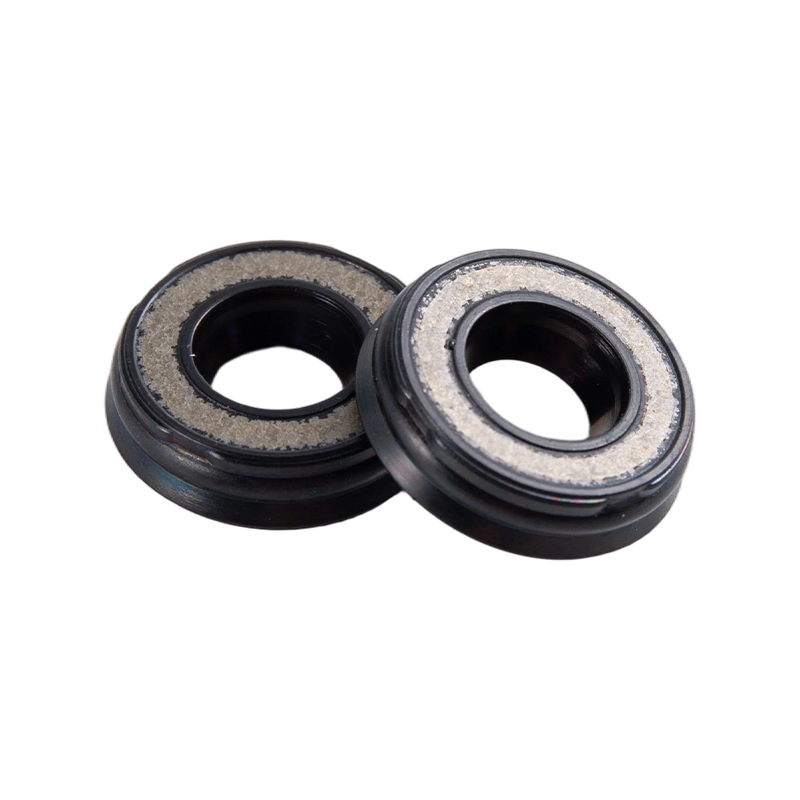
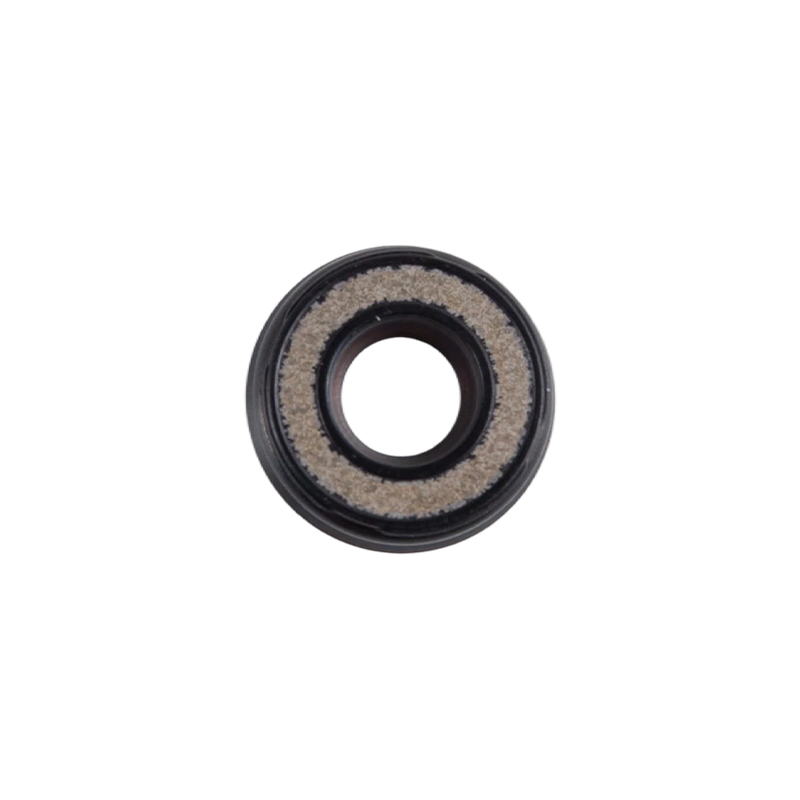
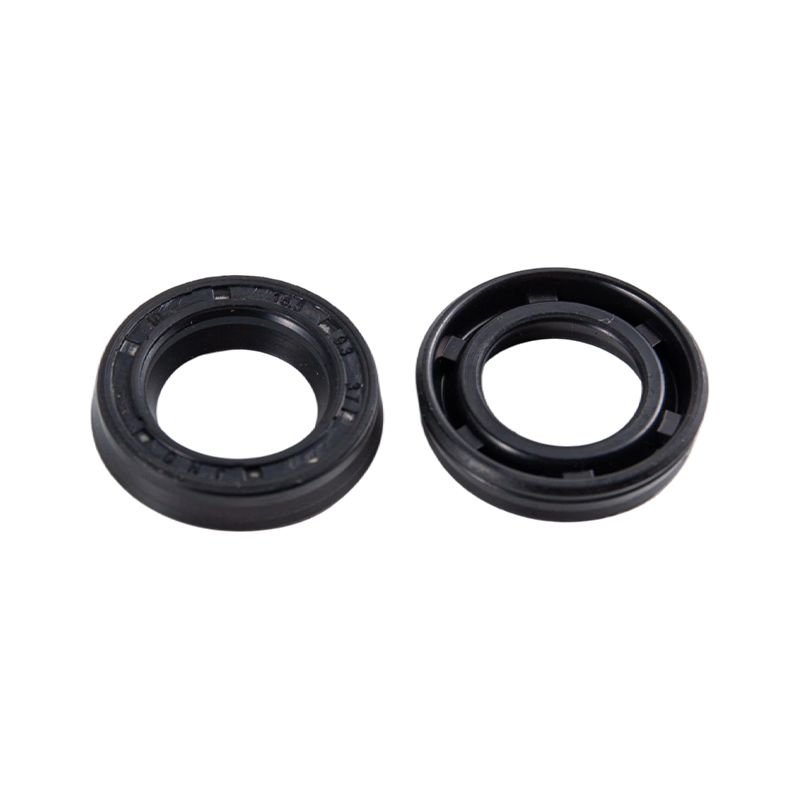
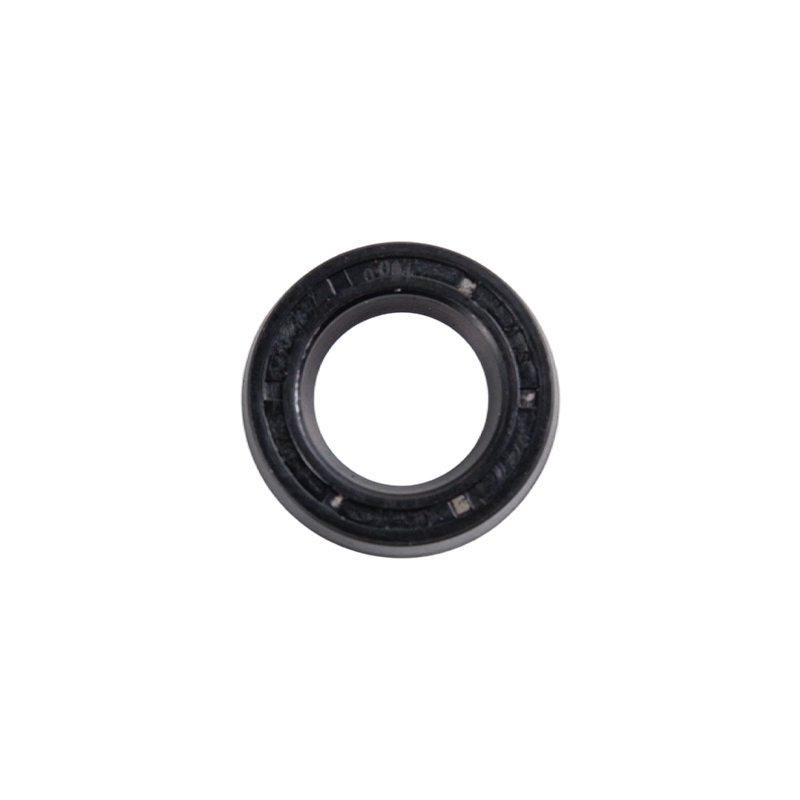
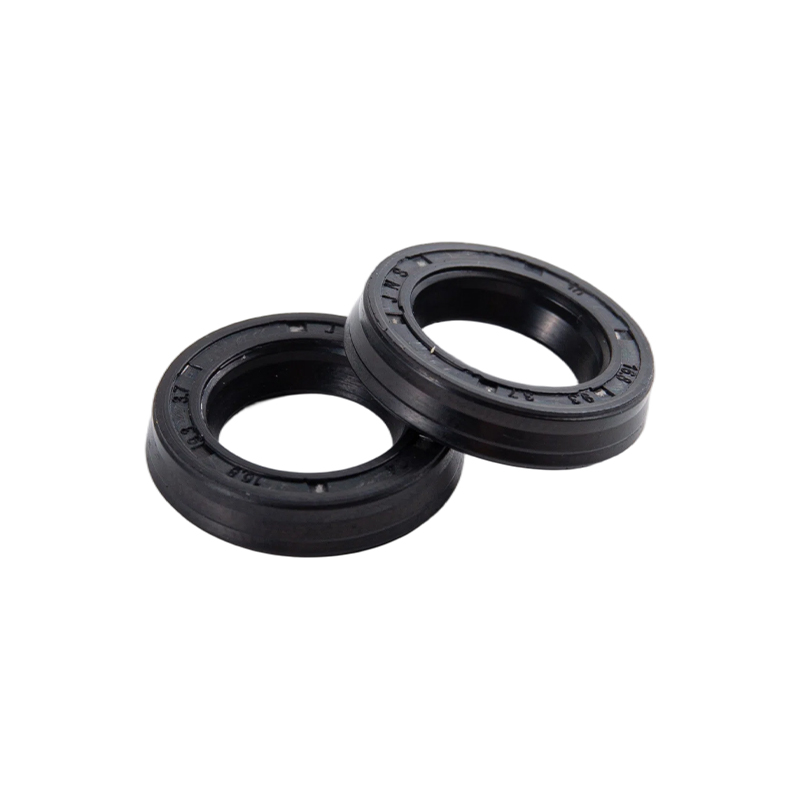
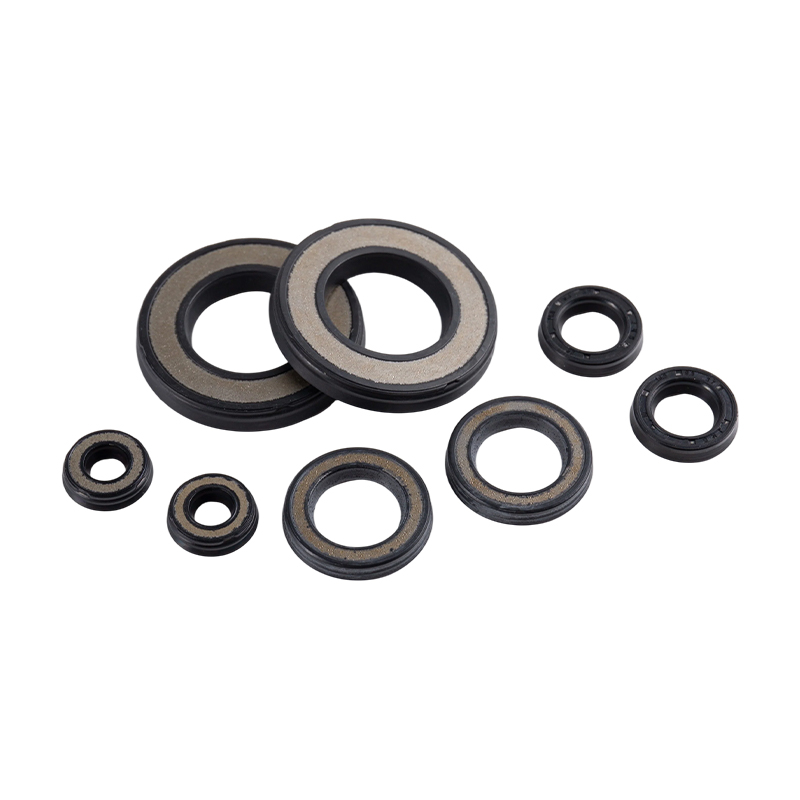
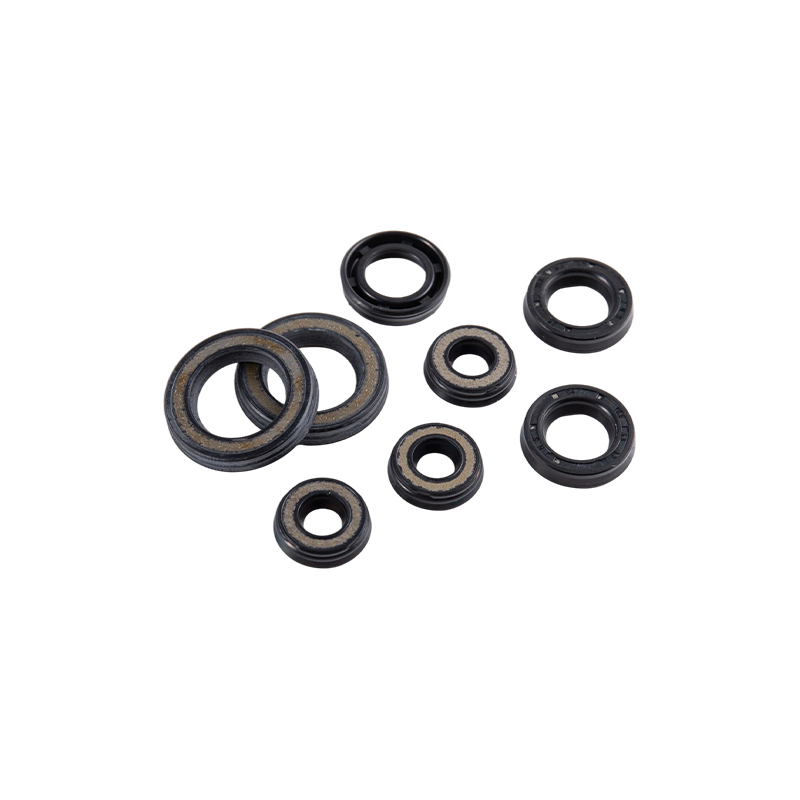
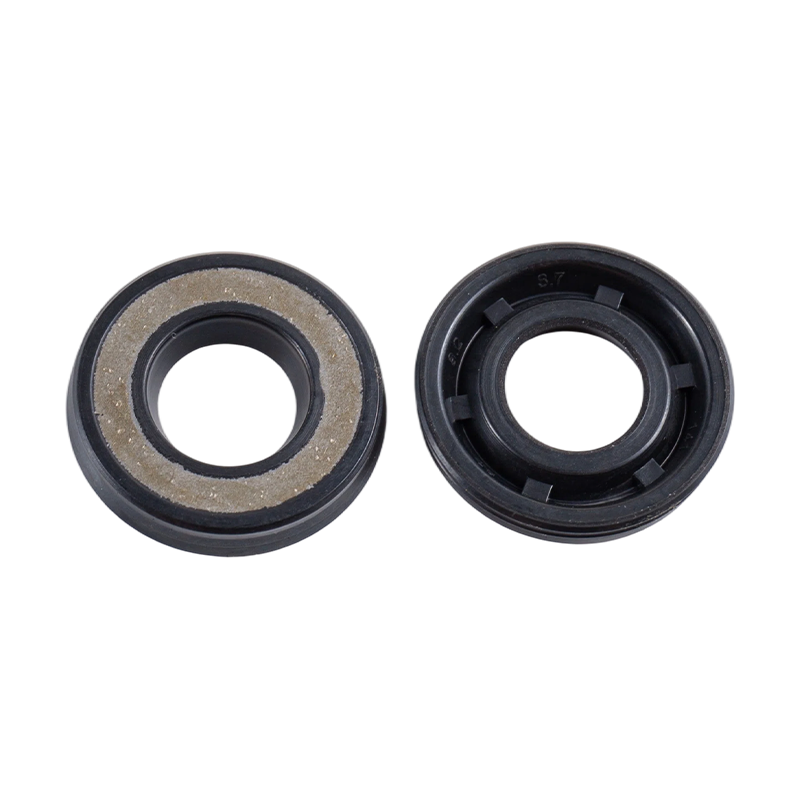
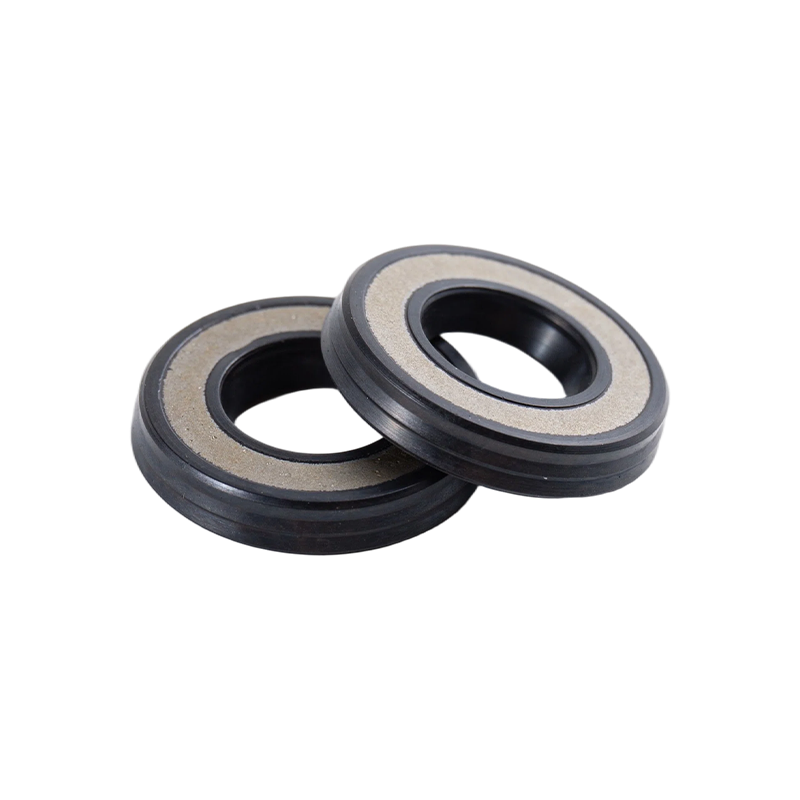
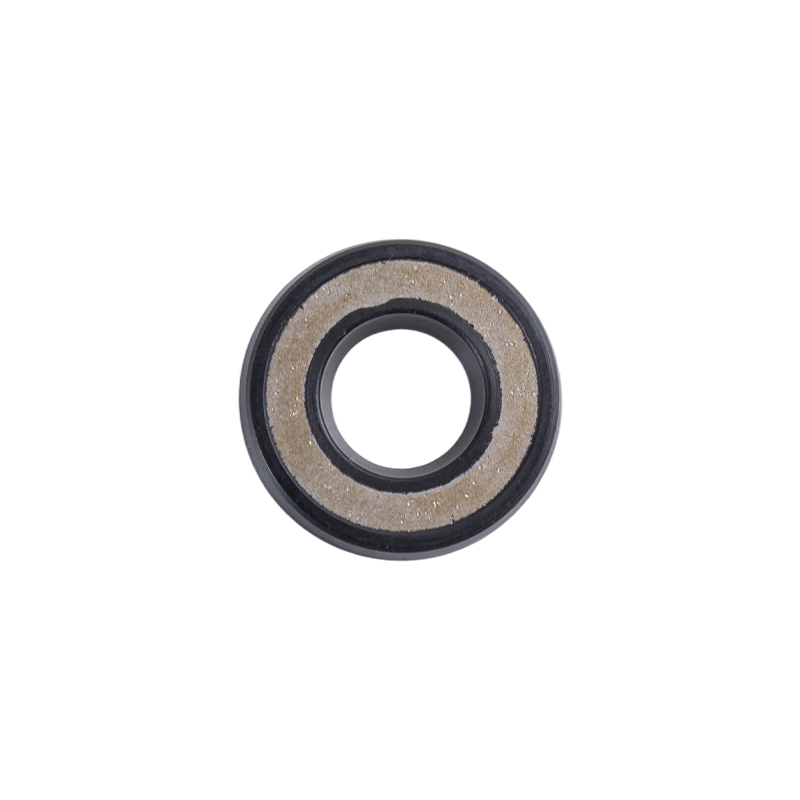
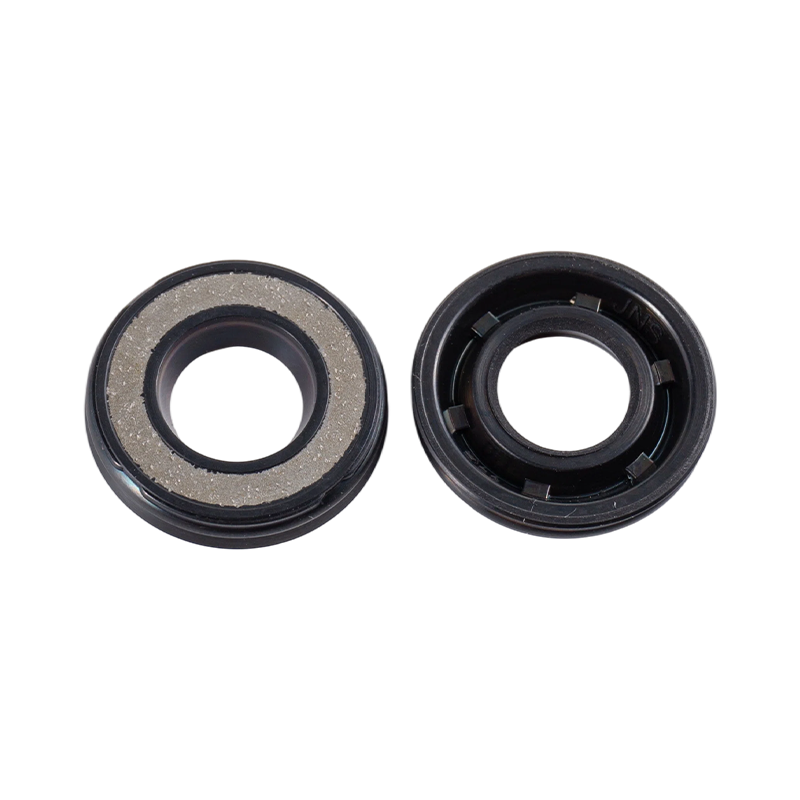
Y Seal Ring ODM Manufacturers
-
1200N High-Load Sealing System
-
19.8mm Large-Size Universal Seal
-
1500N Heavy-Duty Hydraulic Seal
-
20.8mm Ultra-High Pressure Seal
-
Precision Synchronous Seal
-
Lightweight High-Frequency Seal
-
20.8mm Special Inner-Dual Seal
-
1400N Reinforced Y-Seal
-
2000N Extreme Thrust Seal
-
21mm Enlarged Balance Seal
-
23mm Heavy Piston Combo Seal
-
25mm Series Flexible Seal
Message Feedback
About Us
JNS: Precision Sealing, Reliable Motion
– Engineered for Gas Springs & Dampers
Ningguo Jnsseals Sealing Technology Co., Ltd. is dedicated to gas spring and damper sealing technologies, including high-quality O-rings. We are China Oil O Ring Seals Manufacturer and Wholesale Y Seal Ring ODM Factory. Since 2019, we have been delivering reliable, durable, and cost-effective sealing solutions to the automotive, furniture, home appliance, medical equipment, and construction industries. Whether facing extreme wear, high temperatures, or demanding long-life requirements, JNS is built to perform.
We believe that a great seal is not just a component—it's a promise. With automated smart manufacturing, eco-friendly processes, and rigorous quality control, JNS products excel in sealing performance, durability, and value. Choose JNS for stability, safety, and trust that lasts.
Contact: jns@jnsseals.cn
Read More

Ningguo Jnsseals Sealing Technology Co., Ltd.
Ningguo Jnsseals Sealing Technology Co., Ltd.
Ningguo Jnsseals Sealing Technology Co., Ltd.
Ningguo Jnsseals Sealing Technology Co., Ltd.
Ningguo Jnsseals Sealing Technology Co., Ltd.
Ningguo Jnsseals Sealing Technology Co., Ltd.
Ningguo Jnsseals Sealing Technology Co., Ltd.
What's News
Industry Insights & Updates
View All News
-
2026-09-23Industry news
-
2026-09-17Industry news
-
2026-09-10Industry news
Industry Knowledge
Understanding the "Self-Sealing" Principle of Y Seal Rings: How Does Sealing Performance Increase with Rising Pressure?
Among various sealing solutions, the Y Seal Ring (Y-type sealing ring) stands out for its unique "self-sealing" capability. Understanding this principle is crucial for designing reliable high-pressure systems where sealing integrity must be maintained under fluctuating operating conditions.
1. The Self-Sealing Mechanism: How It Works
The Y-type sealing ring relies on its diverging lip design to contact the sealing surface. Under no internal pressure, contact stress is minimal, generated only by slight lip deformation. However, when the seal is exposed to pressurized media, a transformation occurs:
- Pressure Equalization: Every point of the lip in contact with the fluid experiences a normal pressure equal to the fluid pressure.
- Compression Activation: This pressure simultaneously compresses the lip axially (from the bottom) and radially (around the circumference).
- Contact Enhancement: As a result, the lip expands, the contact area with the sealing surface widens, and the contact stress increases.
- Pressure-Positive Feedback: As internal pressure rises, the contact pressure distribution intensifies, and the lip presses tighter against the sealing face, leading to enhanced sealing performance with higher pressure.
2. Key Advantages of Self-Sealing Design
This pressure-energized sealing principle provides significant engineering benefits:
- High-Pressure Capability: A single Y-ring can effectively seal pressures up to 32MPa (approximately 4,600 psi). Under GB/T 10708.1—2000 standards, Y-rings are applicable for working pressure ranges from 0 to 25MPa depending on gap size.
- Low Preload Requirement: The pre-compression force can be minimized because the fluid pressure does the sealing work. At high pressures, the preload effect becomes negligible, reducing friction and extending service life.
- Automatic Wear Compensation: Even after the lip wears over time, the fluid pressure continues to push the lip outward, maintaining sealing contact without requiring manual adjustment.
- Lower Friction than Compression Seals: Because sealing contact pressure is dominated by fluid pressure rather than preload, total friction is lower than that of compression-type seals (such as O-rings) under high-pressure conditions.
3. Limitations and Installation Considerations
- Unidirectional Sealing Only: The Y-ring functions only in one direction. For double-acting cylinders, two Y-rings must be installed back-to-back, increasing axial space requirements.
- Proper Orientation Required: The lip opening must face the high-pressure side during installation. Incorrect orientation will result in immediate leakage.
- Pressure and Gap Limits: For pressures exceeding 25MPa, anti-extrusion backup rings are recommended. Standard Y-rings without backup rings are typically rated for operating pressures up to 15-25MPa depending on extrusion gap size.
Material Performance Comparison
| Material | Temperature Range | Pressure Capability | Velocity Suitability | Key Characteristics |
|---|---|---|---|---|
| NBR (Nitrile) | -40°C to +120°C | ≤30 MPa | 0.01–0.6 m/s | Good oil resistance, cost-effective, limited ozone/heat resistance |
| FPM (FKM/Fluorocarbon) | -20°C to +200°C | Similar to NBR | 0.05–0.3 m/s | Excellent chemical/heat resistance, higher cost |
| PU (Polyurethane) | -30°C to +80°C | Similar to NBR | 0.01–1.0 m/s | Best wear resistance and service life, ideal for dynamic applications |
Note: NBR hardness typically ranges from HS70±5A to HS85±5A. Pressure and velocity data are based on typical material specifications.
Frequently Asked Questions (FAQs)
1. How does the self-sealing principle of Y-rings differ from compression seals like O-rings in high-pressure applications?
O-rings rely primarily on initial compression (preload) to achieve sealing. As pressure increases, the preload becomes less effective relative to the total force, and the seal does not actively respond to pressure changes. In contrast, Y-rings are "pressure-energized": the higher the fluid pressure, the tighter the lip is pressed against the sealing surface. This dynamic response is why a single Y-ring can seal up to 32MPa while maintaining lower friction than O-rings under the same conditions.
2. What installation considerations are critical for Y-ring performance in gas spring applications where Ningguo Jnsseals Sealing Technology Co., Ltd. specializes?
In gas spring and damper applications, proper Y-ring orientation is critical — the lip must always face the high-pressure gas or oil side. Additionally, the operating environment must be assessed for temperature, pressure cycling, and chemical compatibility. Ningguo Jnsseals Sealing Technology Co., Ltd. provides customized design and material selection services to ensure the Y-ring's lip geometry and material (NBR, FPM, or PU) are optimized for each application's specific stroke speed, pressure, and media conditions. This approach maximizes sealing reliability and service life.
3. Why might polyurethane (PU) be preferred over NBR for high-speed reciprocating Y-ring applications?
PU offers the highest velocity capability (up to 1.0 m/s) and exhibits superior abrasion resistance compared to NBR, making it ideal for high-speed, high-cycle applications such as automotive suspension components or industrial actuators. While PU has a lower maximum temperature limit (approximately +80°C) compared to FPM, it provides the best balance of wear resistance and sealing performance in dynamic applications where reciprocating speed is the dominant factor. Ningguo Jnsseals Sealing Technology Co., Ltd. evaluates these parameters during the design phase to recommend the optimal material for each customer's performance requirements.


Want to know more
about us?
about us?

Precision sealing for gas springs and dampers. Durable, wear-resistant, and built for long-life performance in demanding applications.
Product Categories
Quick Links
Contact Us
-
Email: jns@jnsseals.cn

-
Manager Gong: +86-18563770820

-
Manager Wang: +8615357558902
-
No. 5, Meilin Avenue, Meilin Industrial Development Zone, Ningguo City, Anhui Province, China

