

 English
 русский
 Deutsch
 Türk
Türk 中文简体
中文简体
O-Shaped Oil Seal Ring: Technical Selection Guide for Hydraulic and Pneumatic Applications
O-Shaped Oil Seal Ring: Technical Selection Guide for Hydraulic and Pneumatic Applications
O-Shaped Oil Seal Ring: Technical Selection Guide for Hydraulic and Pneumatic Applications
O-Shaped Oil Seal Ring: Technical Selection Guide for Hydraulic and Pneumatic Applications
O-Shaped Oil Seal Ring: Technical Selection Guide for Hydraulic and Pneumatic Applications
O-Shaped Oil Seal Ring: Technical Selection Guide for Hydraulic and Pneumatic Applications
O-Shaped Oil Seal Ring: Technical Selection Guide for Hydraulic and Pneumatic Applications
O-Shaped Oil Seal Ring: Technical Selection Guide for Hydraulic and Pneumatic Applications
O-Shaped Oil Seal Ring: Technical Selection Guide for Hydraulic and Pneumatic Applications
O-Shaped Oil Seal Ring: Technical Selection Guide for Hydraulic and Pneumatic Applications
O-Shaped Oil Seal Ring: Technical Selection Guide for Hydraulic and Pneumatic Applications
O-Shaped Oil Seal Ring: Technical Selection Guide for Hydraulic and Pneumatic Applications
O-Shaped Oil Seal Ring: Technical Selection Guide for Hydraulic and Pneumatic Applications
O-Shaped Oil Seal Ring: Technical Selection Guide for Hydraulic and Pneumatic Applications
O-Shaped Oil Seal Ring: Technical Selection Guide for Hydraulic and Pneumatic Applications
O-Shaped Oil Seal Ring: Technical Selection Guide for Hydraulic and Pneumatic Applications

Industry news
Home / News / Industry news / O-Shaped Oil Seal Ring: Technical Selection Guide for Hydraulic and Pneumatic Applications
NEW Category
Contact us
O-Shaped Oil Seal Ring: Technical Selection Guide for Hydraulic and Pneumatic Applications
Content
- 1 How an O-Shaped Oil Seal Ring Works
- 2 Technical Specifications That Determine Service Life
- 3 Material Selection: Matching the Elastomer to the Application
- 4 Where O-Rings Make Sense in Hydraulic and Pneumatic Systems
- 5 Selection and Installation Mistakes to Avoid
- 6 Practical Benefits of a Sealing Manufacturer with Engineering Support
An O-shaped oil seal ring can be one of the most forgiving sealing elements in a machine, but it fails quickly when the basics are wrong. The contact pressure that makes it seal comes from an initial interference fit, and the fluid pressure then works to increase that contact pressure. If you choose a material that swells in the fluid or a groove depth that lets the ring extrude, no amount of tightening will fix it.
How an O-Shaped Oil Seal Ring Works
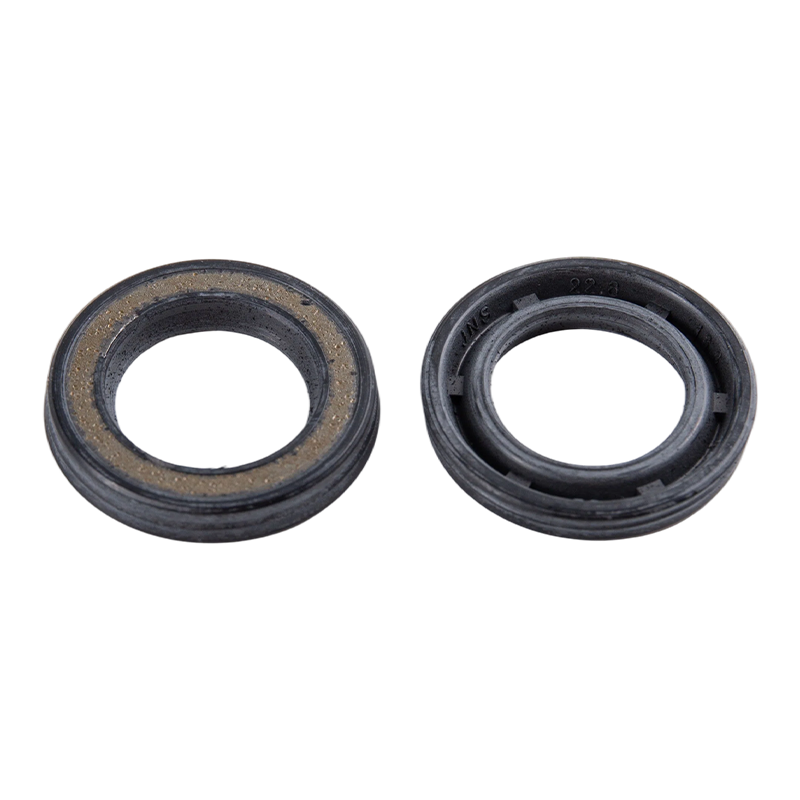
An O-shaped oil seal ring is a torus-shaped elastomeric sealing element designed to be compressed between two or more mating surfaces. Unlike a flat gasket that relies on bolt clamping force to deform a sheet of material, the O-ring seals through a combination of initial squeeze and pressure activation. After the gland is closed, the ring is compressed by about 10% to 30% of its cross-section, creating an initial contact line. When system pressure rises, the fluid pushes the ring toward the low-pressure side of the gland, increasing the contact stress and maintaining the seal.
Static vs. Dynamic Sealing
In static applications, the O-ring stays in one position and mainly resists pressure from one side. In dynamic applications, such as a reciprocating piston rod or a slowly rotating shaft, the ring must survive repeated deformation, friction, and heat. That means dynamic seals usually need a different cross-section, hardness, and lubrication approach than static ones. The same material may work in both, but the gland design and operating limits are not the same.
Technical Specifications That Determine Service Life
Before buying, verify four parameters: dimensions, tolerance, hardness, and compression set. The visible size of the ring alone is not enough to predict whether it will seal for years or leak after the first pressure cycle.
Dimensional Standards and Tolerances
Most industrial O-rings follow ISO 3601. The two critical dimensions are the inside diameter and the cross-section. The gland must be designed with an interference fit that gives the recommended squeeze: typically 10–20% for static seals and slightly less for dynamic seals. An oversized gland reduces squeeze; an undersized gland increases stress and can cut the ring at the parting line.
Hardness and Compression Set
Hardness is usually expressed in Shore A. A 70 Shore A O-ring is a general-purpose choice, while a 90 Shore A ring resists extrusion better in high-pressure applications. Compression set is the portion of deformation that the material retains after the load is removed. A low compression set is essential for a long-lived seal, especially in hot oil or elevated temperatures.
Surface Finish Requirements
For static sealed faces, the surface finish should typically be in the range of 0.8–1.6 μm Ra. Dynamic rods and pistons usually require a smoother finish, around 0.2–0.4 μm Ra, to limit wear. Rough surfaces abrade the elastomer, while mirror finishes can reduce the amount of lubricant retained under the contact area.
Material Selection: Matching the Elastomer to the Application
Material selection is the most common source of premature O-ring failure. If you cover temperature, fluid compatibility, and mechanical wear resistance, the ring will usually outlast the planned maintenance interval. The following table compares three materials that appear frequently in the JNS O-ring range.
| Material | Temperature range | Oil and fuel resistance | Typical use |
|---|---|---|---|
| NBR | -30°C to +100°C | Good for mineral oil, water, and hydraulic fluid | Standard hydraulic and pneumatic O-rings |
| HNBR | -25°C to +150°C | Excellent for oil, ozone, and mechanical wear | High-temperature and high-pressure hydraulic seals |
| FPM (FKM) | -20°C to +200°C | Excellent for aggressive chemicals and high temperatures | Rotary shaft seals and chemical-resistant applications |
NBR for General Hydraulic Service
NBR is the workhorse of fluid power. It resists mineral oils, greases, and aliphatic hydrocarbons, and it is economical enough for high-volume use. A standard NBR ring works well in most factory hydraulic circuits and in pneumatic systems where the oil mist is present.
HNBR When Heat and Wear Are Involved
HNBR adds ozone resistance and mechanical strength. For applications with temperature spikes above 100°C, or where abrasive contamination is likely, HNBR is a safer choice than standard NBR because it retains its elasticity longer.
FPM for Chemical and High-Temperature Exposure
FPM handles a wider range of chemicals and continuous temperatures up to 200°C. It costs more, so it is normally used only when NBR and HNBR cannot meet the duty. It also resists many automotive fluids and is common in rotating and valve applications.
Where O-Rings Make Sense in Hydraulic and Pneumatic Systems
O-rings are the most common sealing element in hydraulic and pneumatic equipment because they are simple, cheap, and predictable. They appear in static flanges, valve bodies, piston seals, and end covers. They are not ideal for high-speed rotating shafts, where a lip seal is preferred, but they do excellent work in static and low-speed dynamic joints.
Hydraulic Circuits and Medium-Duty Cylinders
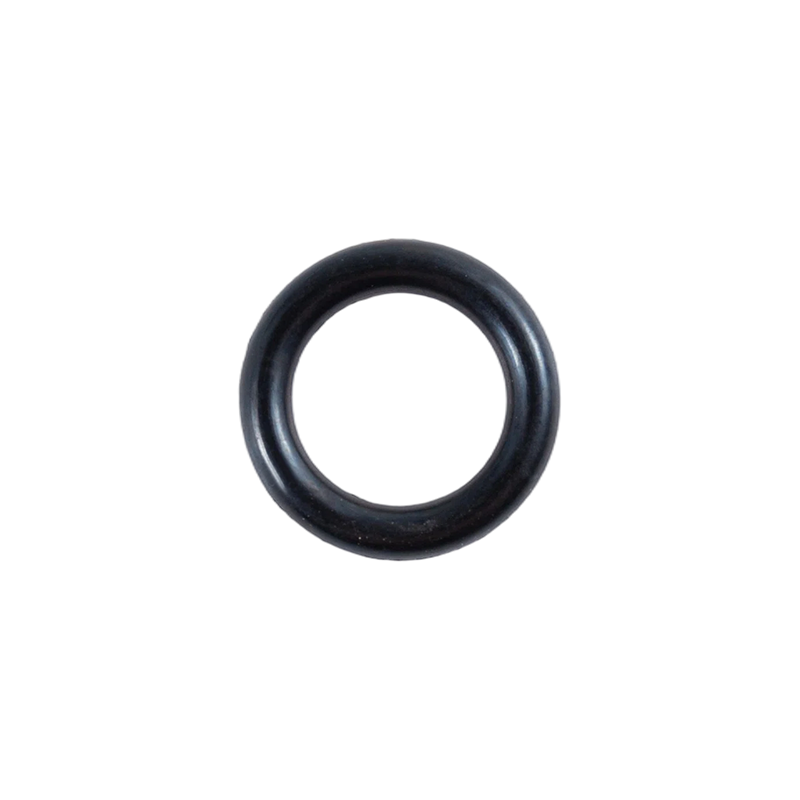
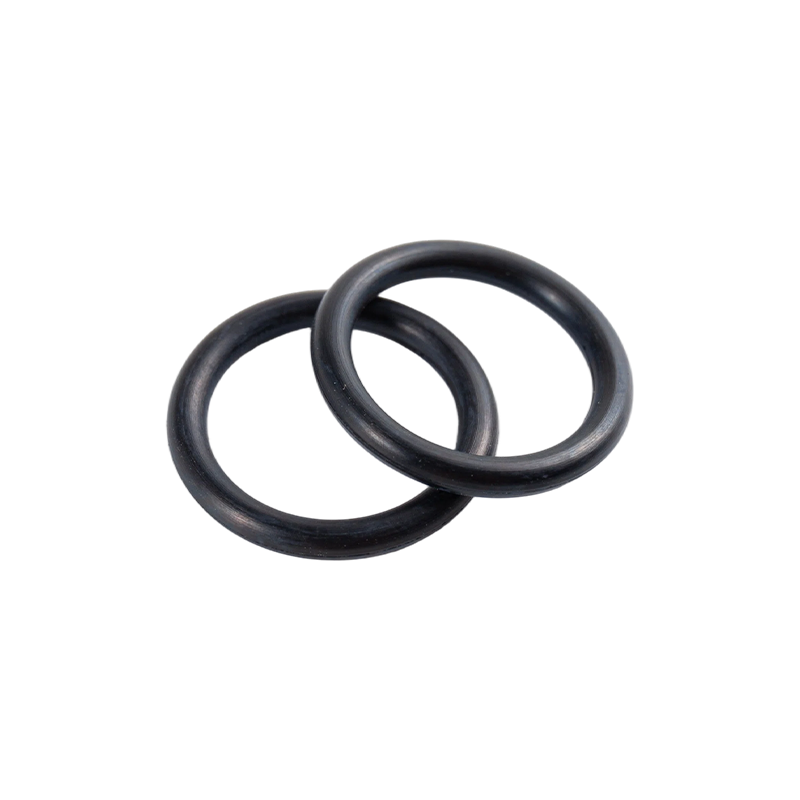
For a standard industrial hydraulic cylinder or manifold, a mid-size O-ring with moderate hardness is usually sufficient. The 20mm medium-duty hydraulic O-ring from JNS is designed for exactly this kind of service, with enough cross-section to handle common industrial working pressures without crowding the groove.
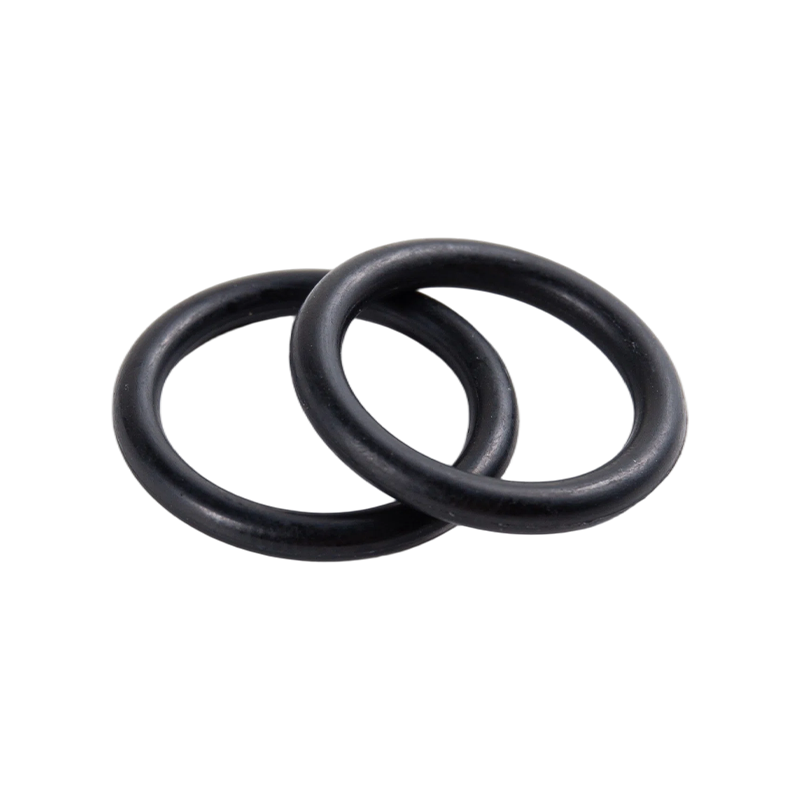 Custom 20mm Medium-Duty Hydraulic O-Ring Suppliers, Exporter, CompanyNingguo Jnsseals Sealing Technology Co., Ltd. Is China Custom NBR/HNBR/FPM 20mm Medium-Duty Hydraulic O-Ring Suppliers, Exporter and Comp...View Product →
Pneumatic Control Lines and Actuators
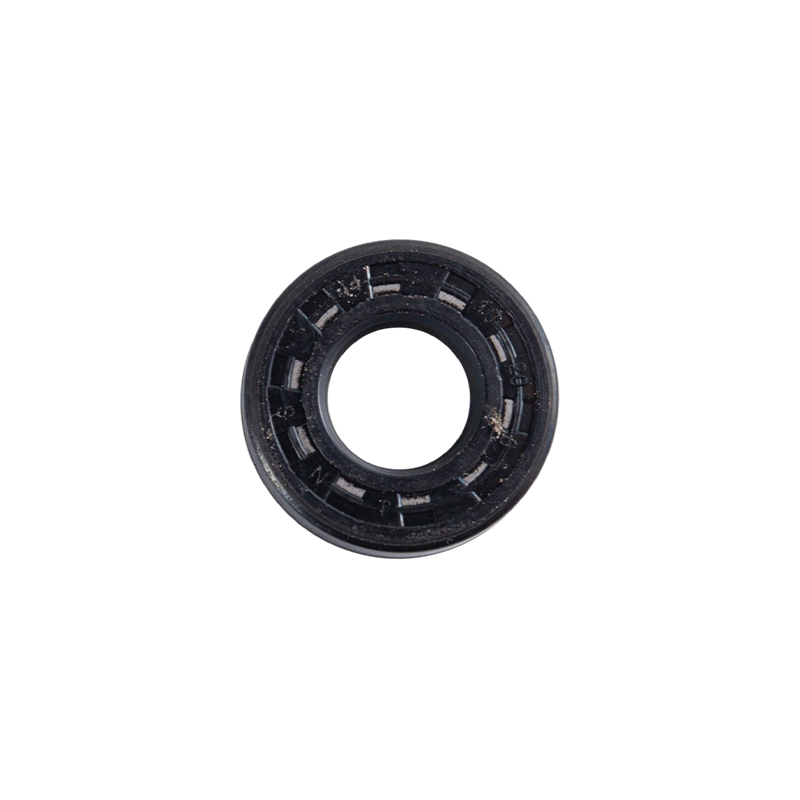
Pneumatic systems run at lower pressures but can cycle at high speed. The elastomer needs low friction and good recovery. For smaller bore diameters, the 7.3mm pneumatic-grade seal matches compact air valves, cylinder ports, and instrumentation fittings.
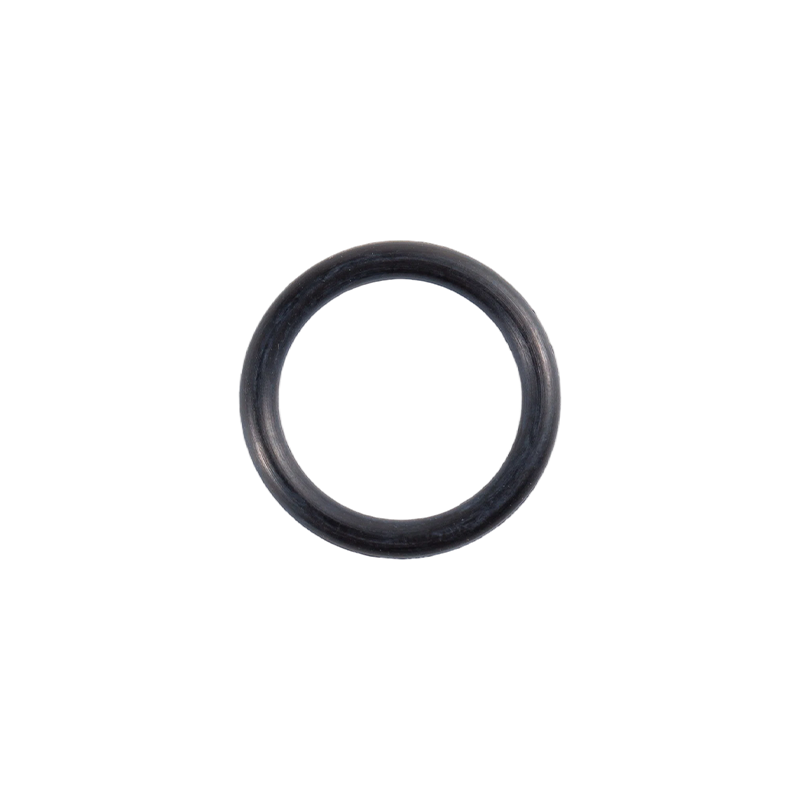 Custom 7.3mm Pneumatic-Grade Seal Suppliers, Exporter, CompanyNingguo Jnsseals Sealing Technology Co., Ltd. Is China Custom NBR/HNBR/FPM 7.3mm Pneumatic-Grade Seal Suppliers, Exporter and Company, De...View Product →
Large Flanges and Static Joints
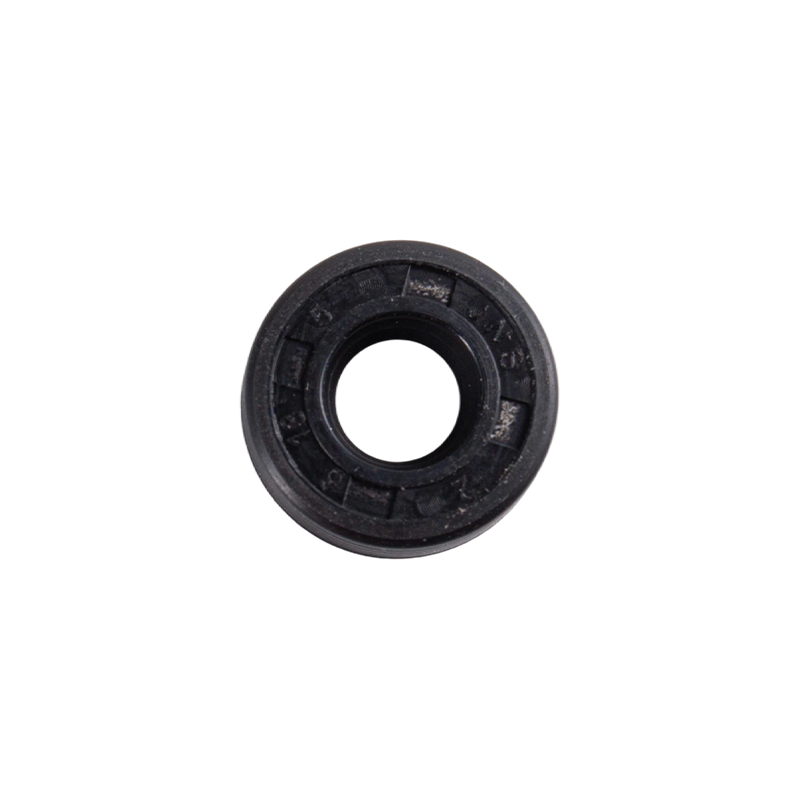
When a large-diameter flange needs a repeatable seal, a fixed geometry O-ring is easier to install and more reliable than cutting a flat gasket on-site. The 66mm jumbo flange O-ring seal gives a wide contact band for large hydraulic reservoirs, pumps, and mixing tanks.
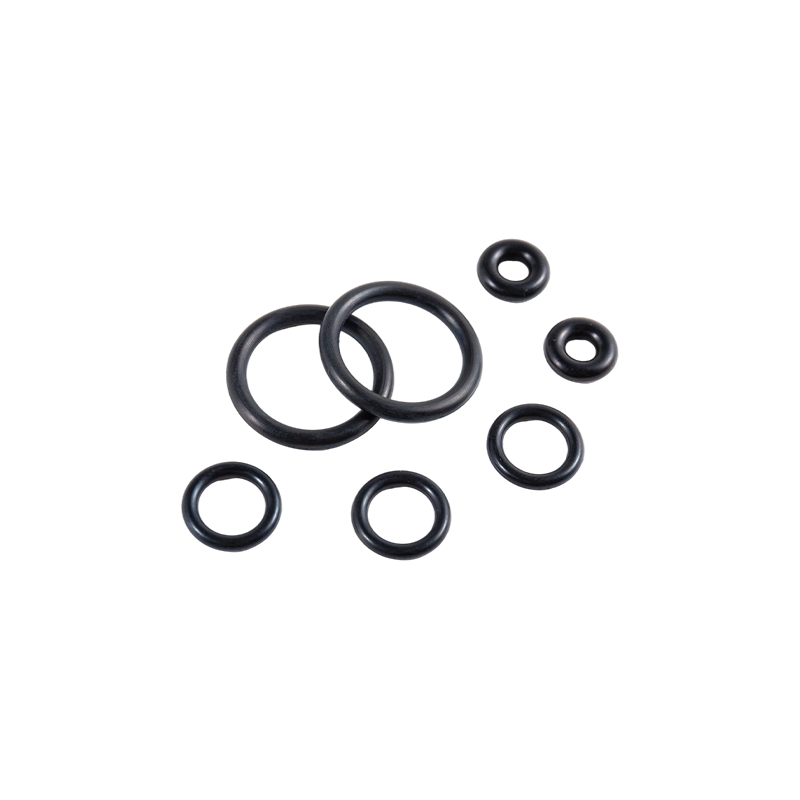 Custom 66mm Jumbo Flange O-Ring Seal Suppliers, Exporter, CompanyNingguo Jnsseals Sealing Technology Co., Ltd. Is China Custom NBR/HNBR/FPM 66mm Jumbo Flange O-Ring Seal Suppliers, Exporter and Company,...View Product →
Beyond hydraulics and pneumatics, O-rings appear in gas springs, dampers, furniture mechanisms, and automotive components. JNS has focused its product development on these applications, and many standard O-ring sizes are used as companion seals in the company’s gas spring and damper assemblies.
Selection and Installation Mistakes to Avoid
Even a correctly sized O-ring will leak if the groove is wrong or if the ring is damaged during installation. The following points cover the most common practical failures seen in field service.
Machine the Groove for the Ring, Not the Reverse
The groove depth controls squeeze. If the gland is too deep, the ring loses contact pressure; if it is too shallow, the ring becomes over-compressed and takes a permanent set. Use a published gland design table for the cross-section, and verify the bore and rod surface finish before assembly.
Watch the Extrusion Gap
In high-pressure systems, a 90 Shore A ring is often selected because a softer ring will squeeze into the clearance gap between mating parts. The acceptable gap depends on pressure and cross-section. In a poorly supported gland, the material will be gradually nibbled away until it leaks.
Handle the Ring Carefully
Sharp edges, sharp threads, and abrasive contaminants cut the surface. Roll the ring into the groove instead of stretching it over sharp threads. For large flange rings, use a dart or a segmented installation tool rather than pulling with pliers.
Check Compatibility Before Installing
An elastomer that swells in the system fluid will lose its seal; one that shrinks will become brittle. Match the material comparison in the previous section against the actual fluid data sheet, not just the oil type described on the machine.
- Verify groove depth and squeeze percentage for each cross-section.
- Keep the extrusion gap smaller than the material can flow into.
- Lubricate the ring and the contact surface before assembly.
- Inspect for visible flash, cuts, or embedded particles.
Practical Benefits of a Sealing Manufacturer with Engineering Support
When you buy O-rings by the thousand, small differences in material formulation and process control become visible in assembly time and warranty claims. JNS built its engineering capabilities around gas springs and dampers, which means the O-ring range reflects real operating experience with dynamic loads, oil exposure, and tight dimensional tolerances. That background is useful when a standard seal has to be adapted to an unusual groove or fluid condition. The company’s engineering and manufacturing background is documented on the About page, and its application industries include automotive, furniture, appliance, medical devices, and construction.
For purchasers, the question is not only unit price but also consistency. A sealing manufacturer with in-house pressing, inspection, and packaging is more likely to deliver repeatable dimensions and performance. If you are dealing with a critical application, review the quality control procedures and request a material compatibility test before full production.
The O-shaped oil seal ring is a small component, but its reliability is heavily dependent on engineering judgment. Confirming the material, the gland dimensions, and the installation method will prevent most leaks without requiring exotic solutions. If you need a custom cross-section or a special material for a gas spring or hydraulic assembly, talk to the manufacturer early so the seal geometry and the housing design can be optimized together.
PREV:Y-Type Oil Seal Rings Explained: Design, Materials, and How to Select the Right One
NEXT:Ring Oil Seal: Complete Guide for Sealing Applications
NEXT:Ring Oil Seal: Complete Guide for Sealing Applications


Want to know more
about us?
about us?

Precision sealing for gas springs and dampers. Durable, wear-resistant, and built for long-life performance in demanding applications.
Product Categories
Quick Links
Contact Us
-
Email: jns@jnsseals.cn

-
Manager Gong: +86-18563770820

-
Manager Wang: +8615357558902
-
No. 5, Meilin Avenue, Meilin Industrial Development Zone, Ningguo City, Anhui Province, China

