

 English
 русский
 Deutsch
 Türk
Türk 中文简体
中文简体
Ring Oil Seal: Complete Guide for Sealing Applications
Ring Oil Seal: Complete Guide for Sealing Applications
Ring Oil Seal: Complete Guide for Sealing Applications
Ring Oil Seal: Complete Guide for Sealing Applications
Ring Oil Seal: Complete Guide for Sealing Applications
Ring Oil Seal: Complete Guide for Sealing Applications
Ring Oil Seal: Complete Guide for Sealing Applications
Ring Oil Seal: Complete Guide for Sealing Applications
Ring Oil Seal: Complete Guide for Sealing Applications
Ring Oil Seal: Complete Guide for Sealing Applications
Ring Oil Seal: Complete Guide for Sealing Applications
Ring Oil Seal: Complete Guide for Sealing Applications
Ring Oil Seal: Complete Guide for Sealing Applications
Ring Oil Seal: Complete Guide for Sealing Applications
Ring Oil Seal: Complete Guide for Sealing Applications
Ring Oil Seal: Complete Guide for Sealing Applications

Industry news
NEW Category
Contact us
Ring Oil Seal: Complete Guide for Sealing Applications
Content
Industrial Components / Sealing Technology
Ring Oil Seal
A complete technical guide to ring oil seals — design, materials, and applications.
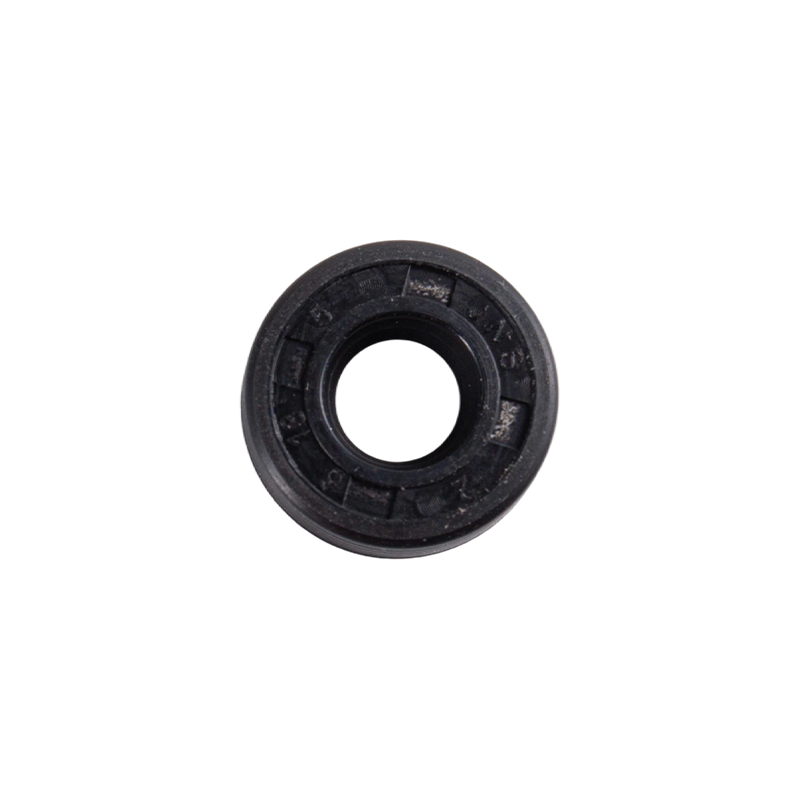
A ring oil seal is a mechanical sealing device used to retain lubricating oil within a housing while excluding contaminants such as dirt, dust, and moisture. It typically features a flexible sealing lip that makes contact with a rotating shaft, preventing oil leakage and maintaining lubrication in critical rotating equipment.
Ring oil seals are essential components in automotive engines, transmissions, differentials, industrial gearboxes, pumps, and electric motors. Their reliable performance is critical to the longevity and efficiency of rotating machinery.
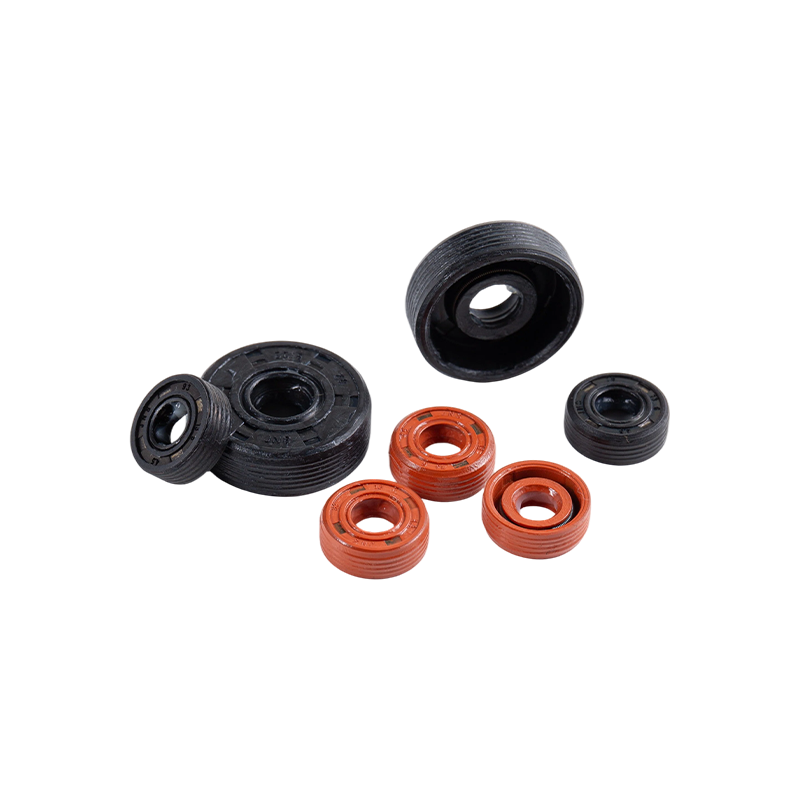
Ring oil seals are the first line of defense in rotating equipment — keeping oil in and contamination out.
What Is a Ring Oil Seal
Ring oil seals are precision-engineered elastomeric components designed to retain lubricants and exclude contaminants in rotating shaft applications. They consist of a circular housing with a flexible sealing lip that maintains contact with the shaft surface under varying operating conditions.
The sealing principle relies on the hydrodynamic effect created by the rotation of the shaft. As the shaft rotates, the sealing lip follows the surface, creating a microscopic oil film that provides lubrication while preventing leakage. The design of the seal lip, spring loading (if present), and material selection all contribute to the seal's performance and service life.
Typical Oil Seal Construction
Metal casing → Elastomer body → Sealing lip → Garter spring (optional) → Dust lip (optional)
Key Design Features
Ring oil seals are defined by several key design features that determine their performance in different applications:
Sealing Lip Design
The primary sealing element that contacts the shaft surface. Lip designs include single-lip, double-lip, and triple-lip configurations. Single-lip seals are suitable for simple oil retention, while double-lip seals offer additional dust exclusion capability. The lip geometry determines the sealing force and pressure distribution.
Spring Loading
Many ring oil seals incorporate a garter spring that maintains consistent lip pressure on the shaft surface. The spring compensates for wear and thermal expansion, ensuring reliable sealing throughout the seal's service life. Spring-loaded seals are preferred for high-speed and high-temperature applications.
Metal Casing
The outer metal casing provides structural support and ensures proper fitment in the housing bore. Casings are typically made from carbon steel or stainless steel. The casing design influences the seal's installation characteristics and resistance to extrusion under pressure.
Dust Lip
An additional lip that acts as a secondary seal to exclude dirt, dust, and moisture from the sealing area. Dust lips are particularly important in applications where the seal is exposed to contaminated environments, such as agricultural and construction equipment.
Common Materials and Their Applications
Ring oil seals are manufactured from a variety of elastomers, each offering specific properties suited to different operating conditions.
Nitrile (NBR)
The most common material for oil seals, offering excellent resistance to petroleum-based oils, fuels, and hydraulic fluids. Cost-effective and versatile. Temperature range: -40°C to +120°C. Standard choice for automotive and industrial applications.
Fluorocarbon (FKM / Viton)
Superior chemical resistance and high-temperature capability (-20°C to +250°C). Excellent resistance to oils, fuels, acids, and solvents. Used in demanding applications such as automotive fuel systems and chemical processing.
Polytetrafluoroethylene (PTFE)
Low-friction material with exceptional chemical resistance. Temperature range: -100°C to +260°C. Ideal for high-speed applications where low friction and wear resistance are critical. Often used in compressor seals and high-performance applications.
Silicone (VMQ)
Excellent high-temperature capability (-55°C to +250°C) and good flexibility at low temperatures. Suitable for applications requiring extreme temperature performance, though not compatible with petroleum-based oils.
EPDM
Excellent resistance to water, steam, and glycol-based fluids. Temperature range: -55°C to +150°C. Commonly used in automotive cooling systems and applications involving hot water or steam.
Material Comparison
Material Temperature Range Oil Resistance Wear Resistance Key Applications
NBR -40°C to 120°C Excellent Good General purpose, automotive
FKM -20°C to 250°C Excellent Excellent High-temp, chemical processing
PTFE -100°C to 260°C Excellent Excellent High-speed, low-friction
Silicone -55°C to 250°C Poor Good Extreme temperature
EPDM -55°C to 150°C Poor Good Water, steam, glycol
Applications
Ring oil seals are used across nearly every industry sector where rotating shafts require sealing.
Automotive
Engine crankshaft seals, camshaft seals, transmission output seals, axle seals, and power steering seals.
Industrial
Gearbox seals, pump seals, motor seals, compressor seals, and bearing isolators in manufacturing equipment.
Aerospace
Aircraft engine seals, landing gear seals, and hydraulic system seals where reliability is critical.
Marine
Propeller shaft seals, stern tube seals, and deck equipment seals in marine propulsion systems.
Agriculture
Tractor seals, combine harvester seals, and agricultural machinery seals exposed to dust and dirt.
Power Generation
Turbine seals, generator seals, and pump seals in power generation equipment.
Selection Guide
Selecting the right ring oil seal requires careful consideration of several factors. The following guidelines provide a structured approach:
1
Define operating conditions
Identify the temperature range, pressure, shaft speed, and media that the seal will encounter.
2
Determine shaft and bore dimensions
Measure the shaft diameter, housing bore diameter, and required seal width. Ensure the seal is correctly sized for the application.
3
Select material
Choose the elastomer based on chemical compatibility, temperature resistance, and required performance characteristics.
4
Choose lip design
Select single-lip, double-lip, or spring-loaded configuration based on the sealing requirements and environmental conditions.
5
Verify standards compliance
Ensure the selected seal meets applicable industry standards for dimensions and performance.
6
Consider installation requirements
Evaluate the installation method and ensure proper tools and procedures are available for correct installation.
Frequently Asked Questions
What is a ring oil seal?
A ring oil seal is a mechanical sealing device used to retain lubricating oil within a housing while excluding contaminants such as dirt, dust, and moisture from rotating shaft applications.
What is the difference between a single-lip and double-lip oil seal?
A single-lip seal has one sealing lip that contacts the shaft. A double-lip seal has an additional lip (dust lip) that helps exclude contaminants from the sealing area.
What materials are used for oil seals?
Common materials include nitrile (NBR), fluorocarbon (FKM), PTFE, silicone (VMQ), and EPDM.
What is the purpose of the garter spring in an oil seal?
The garter spring maintains consistent lip pressure on the shaft surface, compensating for wear and thermal expansion to ensure reliable sealing over time.
What is the maximum temperature for ring oil seals?
Temperature limits vary by material. NBR seals typically handle up to 120°C, while FKM and PTFE seals can operate at temperatures up to 250°C and 260°C respectively.
How do I choose the right oil seal for my application?
Consider operating temperature, fluid compatibility, shaft speed, and environmental conditions. Consult manufacturer recommendations and material compatibility charts.
PREV:O-Shaped Oil Seal Ring: Technical Selection Guide for Hydraulic and Pneumatic Applications
NEXT:Round Rubber Ring: Complete Guide for Sealing Applications
NEXT:Round Rubber Ring: Complete Guide for Sealing Applications




Want to know more
about us?
about us?

Precision sealing for gas springs and dampers. Durable, wear-resistant, and built for long-life performance in demanding applications.
Product Categories
Quick Links
Contact Us
-
Email: jns@jnsseals.cn

-
Manager Gong: +86-18563770820

-
Manager Wang: +8615357558902
-
No. 5, Meilin Avenue, Meilin Industrial Development Zone, Ningguo City, Anhui Province, China

