

 English
 русский
 Deutsch
 Türk
Türk 中文简体
中文简体
Round Rubber Ring: Complete Guide for Sealing Applications
Round Rubber Ring: Complete Guide for Sealing Applications
Round Rubber Ring: Complete Guide for Sealing Applications
Round Rubber Ring: Complete Guide for Sealing Applications
Round Rubber Ring: Complete Guide for Sealing Applications
Round Rubber Ring: Complete Guide for Sealing Applications
Round Rubber Ring: Complete Guide for Sealing Applications
Round Rubber Ring: Complete Guide for Sealing Applications
Round Rubber Ring: Complete Guide for Sealing Applications
Round Rubber Ring: Complete Guide for Sealing Applications
Round Rubber Ring: Complete Guide for Sealing Applications
Round Rubber Ring: Complete Guide for Sealing Applications
Round Rubber Ring: Complete Guide for Sealing Applications
Round Rubber Ring: Complete Guide for Sealing Applications
Round Rubber Ring: Complete Guide for Sealing Applications
Round Rubber Ring: Complete Guide for Sealing Applications

Industry news
NEW Category
Contact us
Round Rubber Ring: Complete Guide for Sealing Applications
Content
Industrial Components / Sealing Solutions
Round Rubber Ring
A complete technical guide to O-rings and circular rubber sealing elements.
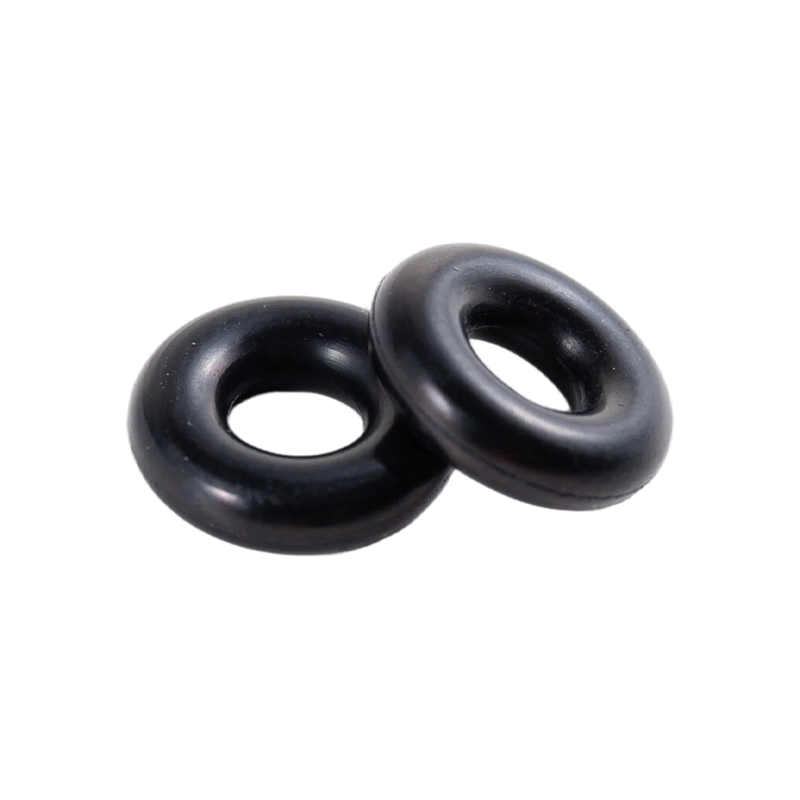
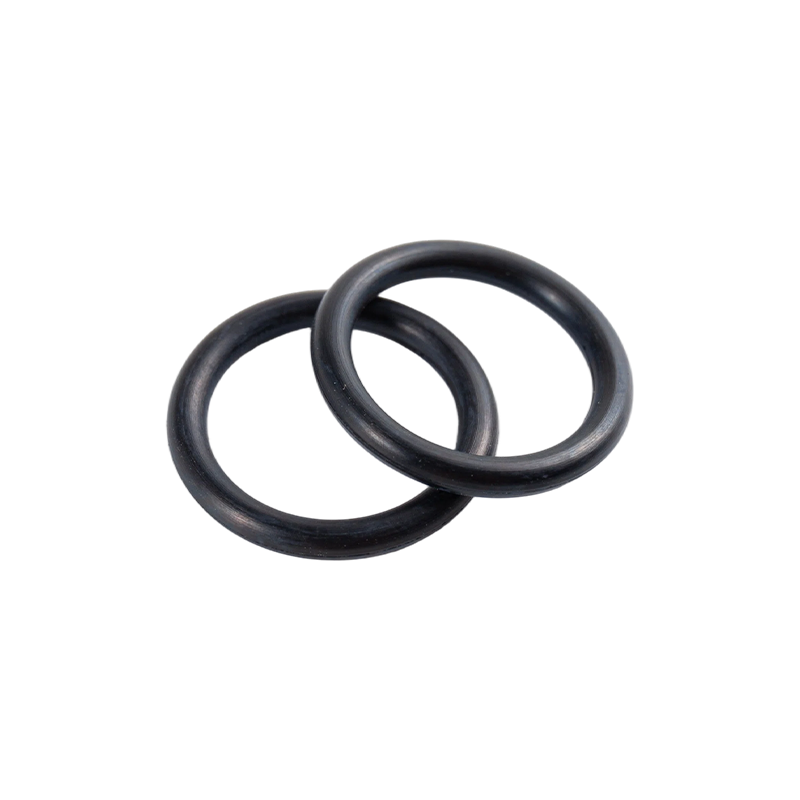
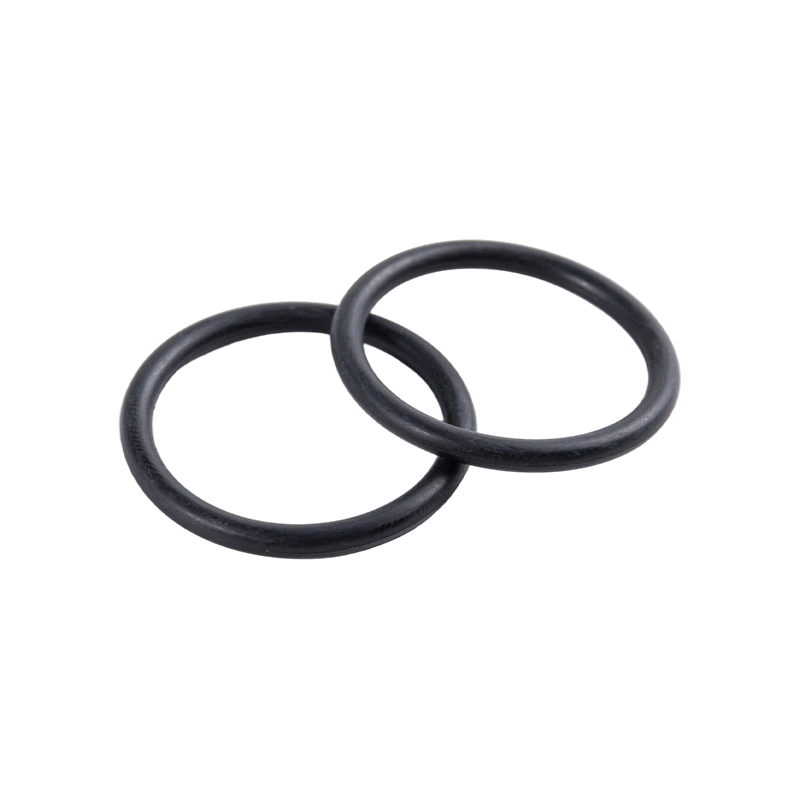
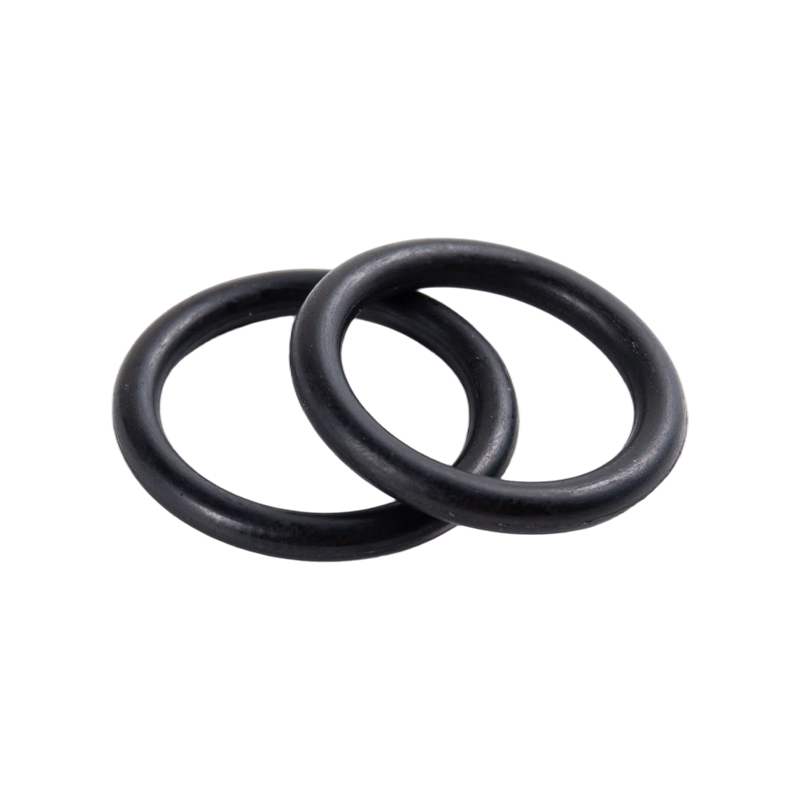
A round rubber ring, commonly known as an O-ring, is a loop of elastomer with a circular cross-section designed to be seated in a groove and compressed during assembly between two or more parts, creating a seal at the interface. O-rings are one of the most common seals used in machine design because they are inexpensive, easy to make, reliable, and have simple mounting requirements.
O-rings are used in static sealing applications where there is no relative movement between the mating parts, as well as in dynamic applications involving rotating shafts, reciprocating pistons, and oscillating motions. They are widely used across automotive, aerospace, manufacturing, plumbing, and many other industries where fluid containment and contamination exclusion are required.
O-rings are the backbone of modern sealing technology — simple in concept, yet essential for reliability in countless applications.
What Is a Round Rubber Ring
Round rubber rings are circular elastomeric sealing elements with a round cross-section. They function by being compressed between two or more mating surfaces, deforming to fill the gap and creating a barrier that prevents the passage of fluids, gases, or contaminants. The elasticity of the rubber allows the ring to return to its original shape when the compression is released, making it reusable in many applications.
The most common type of round rubber ring is the O-ring, which conforms to international standards such as AS568 (inch sizes) and ISO 3601 (metric sizes). These standards define the inside diameter, cross-sectional diameter, and tolerance ranges, ensuring interchangeability across manufacturers and applications.
Round rubber rings are manufactured through compression molding, transfer molding, or injection molding processes. The choice of manufacturing method depends on the material, quantity, and required tolerances.
Production Process
Raw elastomer compounding → Preform preparation → Molding (compression/transfer/injection) → Vulcanization → Deflashing → Inspection
Key Properties and Characteristics
Round rubber rings are defined by several key properties that determine their performance in different applications:
Durometer (Hardness)
Measured on the Shore A scale, typically ranging from 40A (soft) to 90A (hard). Softer compounds provide better sealing at low pressures but are more susceptible to extrusion. Harder compounds offer greater resistance to extrusion and wear but require higher compression forces.
Tensile Strength
The maximum stress the material can withstand while being stretched. Higher tensile strength indicates better resistance to tearing and damage during installation and service.
Compression Set
A measure of the material's ability to recover its original shape after being compressed. Low compression set is essential for maintaining sealing force over time, particularly in static sealing applications.
Temperature Range
The operating temperature range varies significantly by material. Standard nitrile (NBR) rings typically operate from -40°C to +120°C, while specialty materials like silicone can handle -55°C to +250°C, and fluorocarbon (FKM) up to +250°C.
Chemical Compatibility
Resistance to various fluids, gases, and chemicals is determined by the elastomer composition. Selecting the correct material for the specific media is critical for long-term sealing performance.
Common Materials and Their Applications
Round rubber rings are manufactured from a variety of elastomers, each offering specific properties suited to different operating conditions. The choice of material is one of the most important decisions in sealing design.
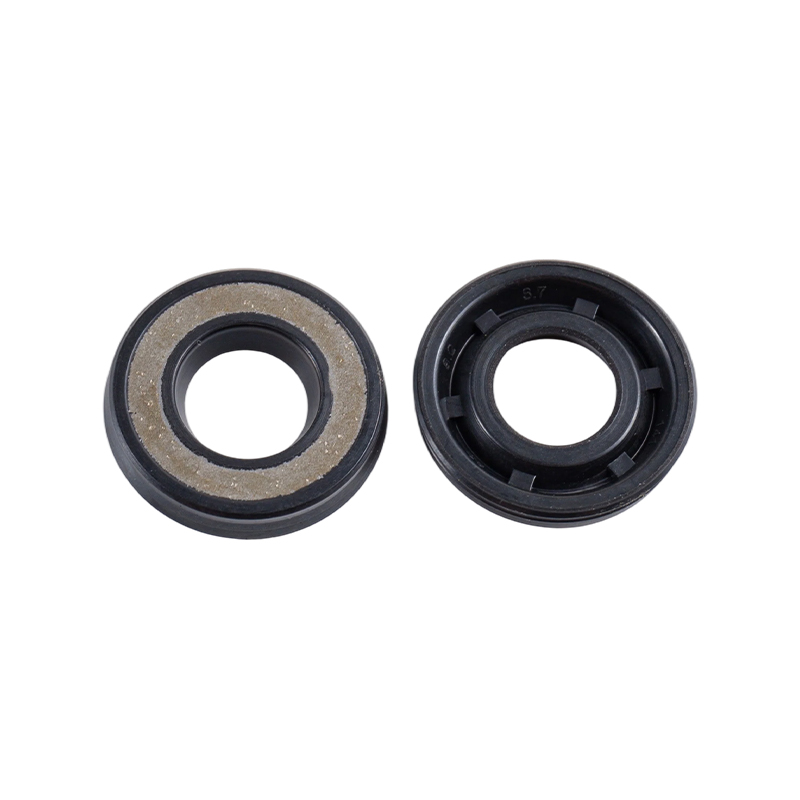
Nitrile (NBR)
The most widely used O-ring material, offering excellent resistance to petroleum-based oils, fuels, and hydraulic fluids. Cost-effective and versatile. Temperature range: -40°C to +120°C. Not recommended for exposure to ozone, ketones, or brake fluids.
Silicone (VMQ)
Exceptional temperature range (-55°C to +250°C) and excellent flexibility at low temperatures. Good resistance to ozone and weathering. Commonly used in food contact applications, medical devices, and high-temperature environments. Not suitable for petroleum-based fluids.
Fluorocarbon (FKM / Viton)
Superior chemical resistance and high-temperature capability (-20°C to +250°C). Excellent resistance to oils, fuels, acids, and solvents. Widely used in automotive fuel systems, chemical processing, and aerospace applications.
EPDM
Excellent resistance to water, steam, glycol-based brake fluids, and weathering. Temperature range: -55°C to +150°C. Commonly used in automotive cooling systems, outdoor applications, and sanitary seals. Not compatible with petroleum oils.
Chloroprene (CR / Neoprene)
Good balance of oil resistance, weathering resistance, and physical properties. Temperature range: -40°C to +120°C. Used in refrigeration systems, outdoor environments, and applications requiring moderate oil resistance.
Fluorosilicone (FVMQ)
Combines the high-temperature performance of silicone with the fuel and oil resistance of fluorocarbon. Temperature range: -50°C to +200°C. Primarily used in aerospace and automotive fuel systems.
Material Comparison
Material Temperature Range Oil Resistance Chemical Resistance Key Applications
NBR -40°C to 120°C Excellent Good General purpose, hydraulic seals
Silicone -55°C to 250°C Poor Good Food contact, medical, high-temp
FKM -20°C to 250°C Excellent Excellent Fuel systems, chemical processing
EPDM -55°C to 150°C Poor Good Brake systems, water seals
Neoprene -40°C to 120°C Good Good Refrigeration, outdoor
Fluorosilicone -50°C to 200°C Excellent Excellent Aerospace, automotive
Applications
Round rubber rings are used across nearly every industry sector where sealing is required.
Automotive
Engine seals, fuel system seals, transmission seals, air conditioning systems, and brake systems.
Aerospace
Hydraulic systems, fuel systems, pneumatic systems, and environmental control systems where reliability is critical.
Industrial
Hydraulic cylinders, pneumatic cylinders, pumps, valves, compressors, and process equipment.
Plumbing
Faucet seals, pipe connections, and fitting seals in residential and commercial plumbing systems.
Medical
Medical devices, diagnostic equipment, and drug delivery systems requiring biocompatible seals.
Food Processing
Food handling equipment, processing systems, and packaging machinery requiring FDA-compliant materials.
Selection Guide
Selecting the right round rubber ring requires careful consideration of several factors. The following guidelines provide a structured approach:
1
Define operating conditions
Identify the temperature range, pressure, and media that the seal will encounter. This determines the material selection.
2
Determine size requirements
Specify the inside diameter and cross-sectional diameter based on the groove dimensions and application requirements.
3
Select material
Choose the elastomer based on chemical compatibility, temperature resistance, and required hardness. Refer to chemical compatibility charts for guidance.
4
Consider durometer
Select the appropriate hardness based on pressure requirements and extrusion gap considerations. Harder compounds resist extrusion at higher pressures.
5
Verify standards compliance
Ensure the selected ring meets applicable standards (AS568, ISO 3601, ASTM D2000) for interchangeability and performance.
6
Evaluate cost and availability
Consider the cost-effectiveness of the selected material and the availability of standard or custom sizes from the supplier.
Frequently Asked Questions
What is a round rubber ring?
A round rubber ring, commonly known as an O-ring, is a circular elastomeric sealing element with a round cross-section designed to create a seal between two or more parts.
What materials are used for round rubber rings?
Common materials include nitrile (NBR), silicone (VMQ), fluorocarbon (FKM), EPDM, neoprene (CR), and fluorosilicone (FVMQ).
What is the difference between NBR, FKM, and silicone O-rings?
NBR offers excellent oil resistance at a low cost. FKM provides superior chemical and high-temperature resistance. Silicone offers excellent temperature range flexibility but poor oil resistance.
What is the maximum temperature a round rubber ring can withstand?
Temperature limits vary by material. Standard NBR rings handle up to 120°C, while silicone and FKM can operate at temperatures up to 250°C.
How do I choose the right O-ring material?
Consider the fluid or gas being sealed, operating temperature, pressure, and any environmental factors. Consult material compatibility charts for the specific application.
What are the standard sizes for round rubber rings?
Inch sizes are standardized under AS568. Metric sizes are standardized under ISO 3601. Both standards define inside diameter and cross-sectional diameter specifications.
PREV:Ring Oil Seal: Complete Guide for Sealing Applications
NEXT:What Is a Y Seal Ring? Types, Uses, and How It Works
NEXT:What Is a Y Seal Ring? Types, Uses, and How It Works


Want to know more
about us?
about us?

Precision sealing for gas springs and dampers. Durable, wear-resistant, and built for long-life performance in demanding applications.
Product Categories
Quick Links
Contact Us
-
Email: jns@jnsseals.cn

-
Manager Gong: +86-18563770820

-
Manager Wang: +8615357558902
-
No. 5, Meilin Avenue, Meilin Industrial Development Zone, Ningguo City, Anhui Province, China

