

 English
 русский
 Deutsch
 Türk
Türk 中文简体
中文简体
How to Choose the Right Ring Oil Seal for Different Industrial Applications?
How to Choose the Right Ring Oil Seal for Different Industrial Applications?
How to Choose the Right Ring Oil Seal for Different Industrial Applications?
How to Choose the Right Ring Oil Seal for Different Industrial Applications?
How to Choose the Right Ring Oil Seal for Different Industrial Applications?
How to Choose the Right Ring Oil Seal for Different Industrial Applications?
How to Choose the Right Ring Oil Seal for Different Industrial Applications?
How to Choose the Right Ring Oil Seal for Different Industrial Applications?
How to Choose the Right Ring Oil Seal for Different Industrial Applications?
How to Choose the Right Ring Oil Seal for Different Industrial Applications?
How to Choose the Right Ring Oil Seal for Different Industrial Applications?
How to Choose the Right Ring Oil Seal for Different Industrial Applications?
How to Choose the Right Ring Oil Seal for Different Industrial Applications?
How to Choose the Right Ring Oil Seal for Different Industrial Applications?
How to Choose the Right Ring Oil Seal for Different Industrial Applications?
How to Choose the Right Ring Oil Seal for Different Industrial Applications?

Industry news
Home / News / Industry news / How to Choose the Right Ring Oil Seal for Different Industrial Applications?
NEW Category
Contact us
How to Choose the Right Ring Oil Seal for Different Industrial Applications?
Content
- 1 1. What Is a Ring Oil Seal?
- 2 2. Structure and Working Principle of Ring Oil Seal
- 3 3. Ring Oil Seal Types: Different Types of Ring Oil Seal
- 4 4. Ring Oil Seal Material: The Influence of Material Selection on Performance
- 5 5. Ring Oil Seal Application: Main Application Areas of Ring Oil Seal
- 6 6. Ring Oil Seal Installation: Correct Installation Methods and Important Considerations
- 7 7. Ring Oil Seal Failure Causes: Common Reasons for Failure
- 8 8. How to Select the Right Ring Oil Seal?
- 9 9. Methods to Extend the Service Life of Ring Oil Seal
- 10 10. Factors Affecting Ring Oil Seal Performance
- 11 11. Common Problems and Solutions Related to Ring Oil Seal
- 12 12. Future Development Trends of Ring Oil Seal
- 13 13. Conclusion: The Importance of Ring Oil Seal in Mechanical Systems
In modern mechanical equipment, sealing systems play an essential role in ensuring long-term and stable operation. Whether used in rotating machinery, industrial equipment, power transmission systems, or various shaft-based mechanical structures, effective sealing components are required to prevent lubricant leakage and stop external contaminants from entering internal working areas.
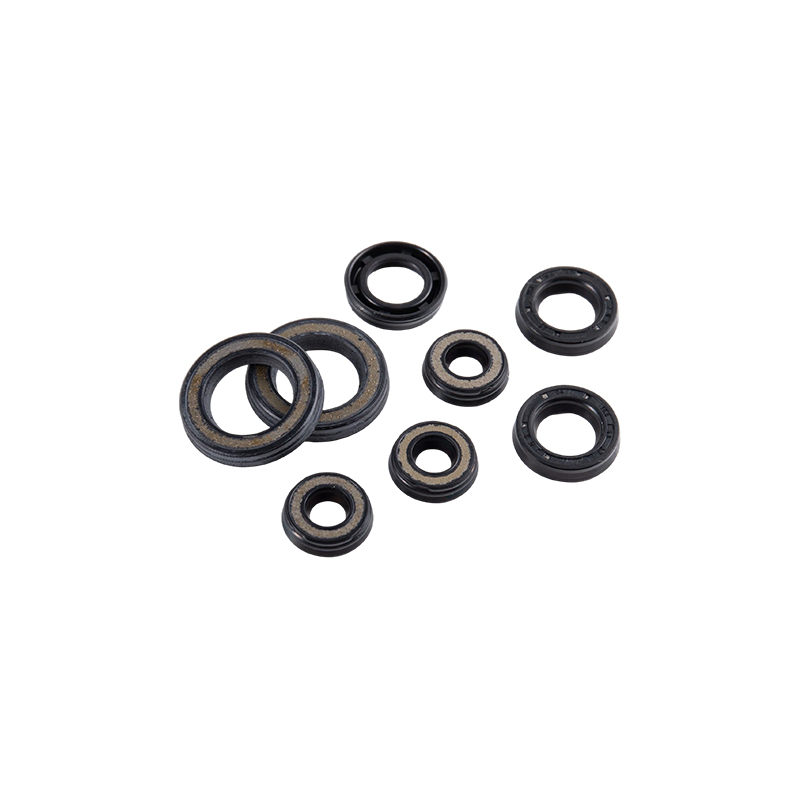
Ring Oil Seal is a widely used sealing component for rotating shaft systems. Its main purpose is to maintain lubricating oil, prevent dust and foreign particles from entering, and reduce damage caused by friction and contamination. Although its structure appears simple, a Ring Oil Seal must withstand complex operating conditions, including high-speed rotation, temperature changes, pressure fluctuations, and long-term friction.
Therefore, the design, material selection, and installation method of a Ring Oil Seal directly influence the performance and service life of mechanical equipment.
A properly selected Ring Oil Seal can reduce maintenance frequency, improve equipment efficiency, and extend the service life of critical components. For mechanical designers, maintenance engineers, and industrial users, understanding the structure, materials, applications, and common problems of Ring Oil Seal is extremely important.
This article provides a comprehensive explanation of Ring Oil Seal Types, Ring Oil Seal Material, Ring Oil Seal Application, Ring Oil Seal Installation, and Ring Oil Seal Failure Causes.
1. What Is a Ring Oil Seal?
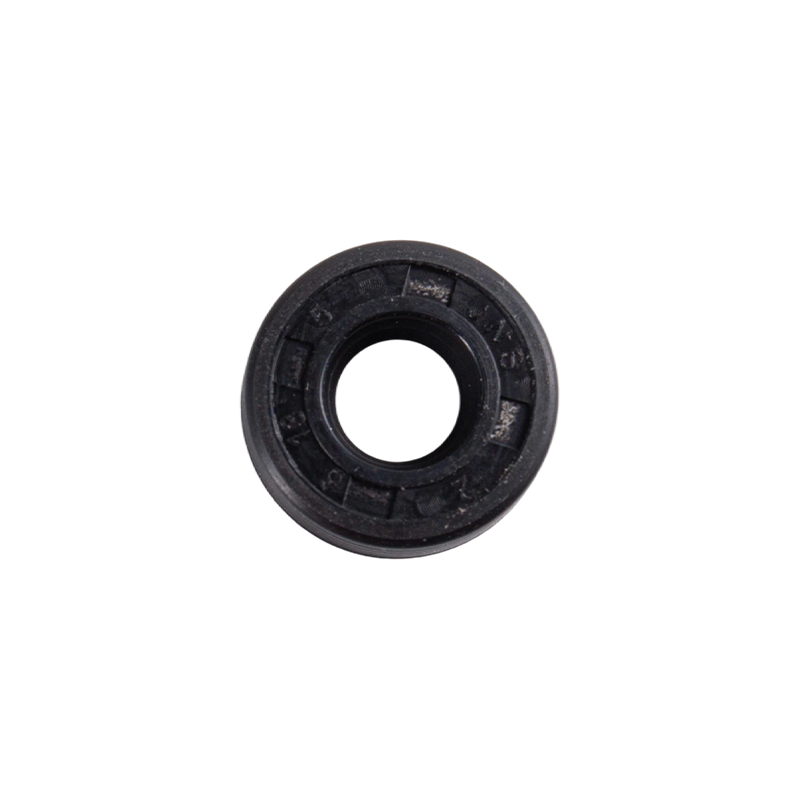
A Ring Oil Seal is a mechanical sealing component designed for rotating shaft applications. Its primary function is to retain lubricating oil inside equipment while preventing dust, moisture, and other contaminants from entering the internal area.
During mechanical operation, rotating shafts and related components such as bearings or gears require continuous lubrication to reduce friction. Without a reliable sealing structure, lubricating oil may gradually leak through rotating connections, resulting in insufficient lubrication, increased temperature, and accelerated component wear.
A Ring Oil Seal creates a sealing barrier through specially designed sealing lips that maintain contact with the rotating shaft surface. Under normal operating conditions, the sealing lip maintains appropriate pressure, allowing lubricant to remain inside the equipment while blocking external contamination.
Unlike static seals, Ring Oil Seal operates in dynamic environments. Therefore, it must have excellent elasticity, wear resistance, temperature resistance, and aging resistance.
2. Structure and Working Principle of Ring Oil Seal
A Ring Oil Seal usually consists of several parts, including a supporting structure, elastic sealing material, sealing lip, and sometimes an auxiliary spring structure.
Among these components, the sealing lip is the most important part. It directly contacts the rotating shaft and controls the sealing pressure. If the pressure is insufficient, lubricant leakage may occur. If the pressure is excessive, friction heat increases and accelerates material aging.
When equipment starts operating, the rotating shaft causes lubricant movement around the sealing area. The Ring Oil Seal creates a stable barrier that keeps oil within the designed area while preventing external particles from entering.
A high-performance Ring Oil Seal must maintain a balance between sealing ability and operating resistance. Good design can prevent leakage while reducing friction losses and improving equipment efficiency.
3. Ring Oil Seal Types: Different Types of Ring Oil Seal
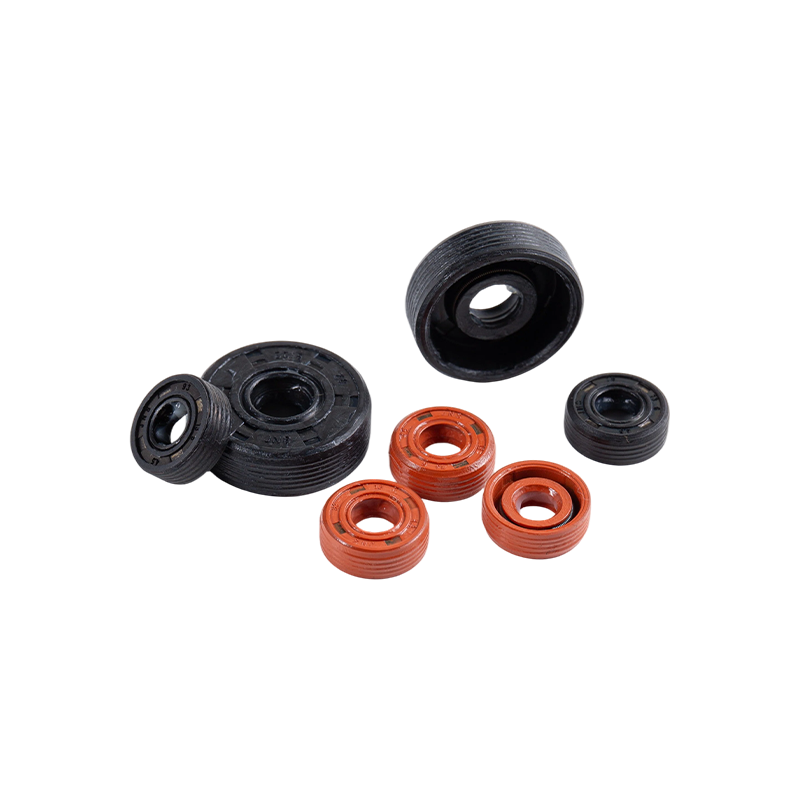
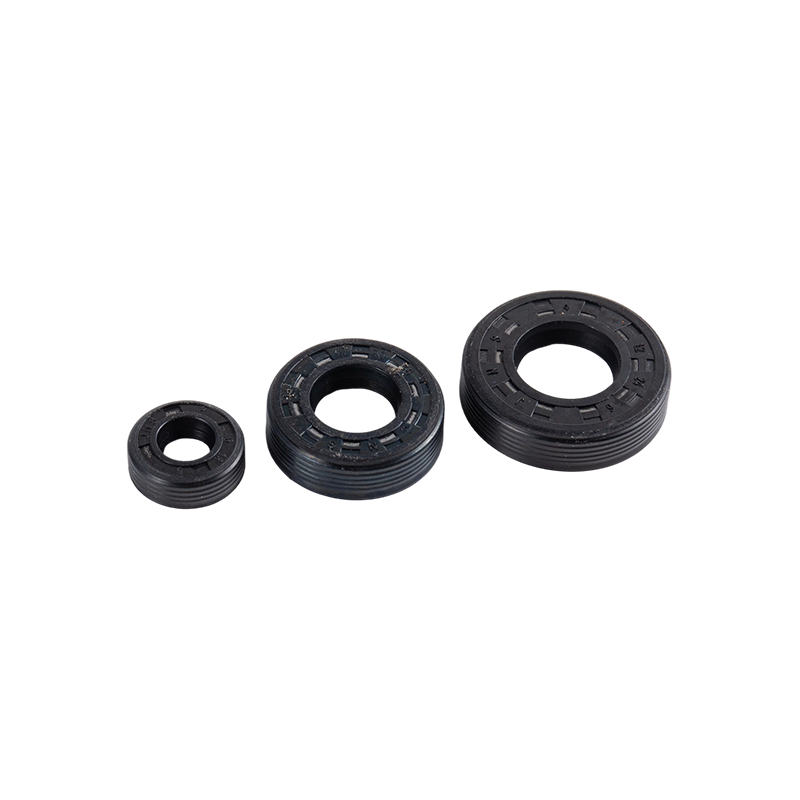
Different mechanical systems operate under different conditions, which has resulted in the development of various Ring Oil Seal structures. Understanding Ring Oil Seal Types helps users select the most suitable sealing solution.
3.1 Single Lip Ring Oil Seal
The single lip structure is one of the basic Ring Oil Seal designs. It mainly uses one sealing lip to maintain lubricant inside the equipment.
This type has a simple structure, low friction resistance, and is suitable for mechanical systems operating under relatively stable conditions. It is commonly used in rotating shaft applications where contamination levels are low.
However, because the single lip design mainly focuses on oil retention, its ability to prevent external contamination is relatively limited. For environments with heavy dust or harsh conditions, other sealing structures may be more suitable.
3.2 Double Lip Ring Oil Seal
A double lip Ring Oil Seal is an improved design based on the traditional structure. It usually includes a primary sealing lip and an additional dust protection lip.
The main sealing lip prevents lubricant leakage, while the auxiliary lip blocks dust, moisture, and external contaminants.
This structure provides both oil retention and contamination protection, making it suitable for industrial machinery, transportation equipment, and more demanding working environments.
3.3 Spring Loaded Ring Oil Seal
Some Ring Oil Seal designs include a spring structure to maintain stable contact pressure between the sealing lip and the rotating shaft.
The spring helps the sealing lip maintain proper pressure during long-term operation, reducing performance loss caused by material fatigue.
| Working Condition | Requirements for Ring Oil Seal |
| High-speed rotation | Requires better wear resistance |
| Long-term operation | Requires stable elasticity |
| Significant temperature changes | Requires good material adaptability |
4. Ring Oil Seal Material: The Influence of Material Selection on Performance
Material selection is one of the most important factors affecting Ring Oil Seal performance. Different working environments require different sealing materials, making the selection of suitable Ring Oil Seal Material essential.
| Material Type | Main Characteristics | Suitable Environment |
| NBR Material | Good oil resistance and stable overall performance | General mechanical equipment |
| FKM Material | High temperature resistance and chemical resistance | High temperature and complex environments |
| Silicone Material | Good flexibility and temperature adaptability | Special temperature conditions |
| PTFE Material | Low friction and excellent corrosion resistance | High-performance sealing applications |
4.1 NBR Material in Ring Oil Seal Applications
NBR is one of the commonly used sealing materials for Ring Oil Seal.
It provides good oil resistance, mechanical strength, and elastic performance. In normal industrial environments, NBR Ring Oil Seal can maintain reliable sealing performance and meet the requirements of many standard mechanical systems.
However, when equipment operates under extremely high temperatures or comes into contact with aggressive chemical media, NBR materials may experience hardening or aging. Therefore, material selection must always match the actual working conditions.
4.2 High Performance Materials for Ring Oil Seal
Some special industrial applications require Ring Oil Seal materials with higher performance levels.
For example, high-temperature environments require stronger heat resistance, high-speed applications require better wear resistance, and chemically aggressive environments require stronger corrosion resistance.
Incorrect material selection may lead to premature sealing failure even when the structural design is appropriate.
5. Ring Oil Seal Application: Main Application Areas of Ring Oil Seal
As an important rotating sealing component, Ring Oil Seal is widely used in various mechanical systems. Whether in small equipment or large industrial machines, any application involving rotating shafts and lubrication requirements may require a Ring Oil Seal.
Different application environments have different requirements for sealing performance. Some systems focus mainly on preventing lubricant leakage, while others require stronger protection against dust, moisture, and long-term operating conditions. Therefore, the selection of Ring Oil Seal should always be based on the actual equipment structure and operating environment.
5.1 Application in Automotive and Power Transmission Systems
In various power transmission systems, lubrication is essential for maintaining mechanical efficiency. Rotating components operating at high speed generate friction, and without sufficient lubrication protection, component wear and temperature increases may occur.
The main function of Ring Oil Seal in these systems is to control lubricant movement and prevent oil leakage from rotating connection areas. At the same time, it reduces the possibility of dust and contaminants entering internal components, helping protect precision mechanical parts.
Because power transmission systems often operate continuously for long periods, Ring Oil Seal requires excellent wear resistance and long-term stability. A reliable sealing structure can extend equipment operating cycles and reduce downtime caused by sealing problems.
5.2 Application in Industrial Machinery
Industrial production equipment often operates continuously and may face challenging environments including dust, oil contamination, and temperature fluctuations. Therefore, sealing performance becomes especially important.
Ring Oil Seal Application in industrial machinery mainly includes:
| Equipment Type | Main Function of Ring Oil Seal |
| Rotating equipment | Maintains lubrication and reduces wear |
| Pumps | Prevents leakage and protects bearings |
| Motor systems | Prevents contaminants from entering internal parts |
| Gear transmission equipment | Maintains stable lubrication conditions |
For example, in continuously operating rotating equipment, wear of a Ring Oil Seal may gradually cause lubricant leakage and insufficient bearing lubrication. Over time, the equipment may experience increased noise, higher operating temperatures, and reduced efficiency.
Therefore, regular inspection of Ring Oil Seal conditions is an important part of industrial equipment maintenance.
5.3 Application in Hydraulic and Fluid Equipment
Hydraulic systems usually require strict sealing performance because stable pressure conditions must be maintained inside the system.
A Ring Oil Seal helps reduce fluid loss and lowers the risk of external contamination entering the hydraulic system.
During hydraulic equipment operation, sealing components must withstand pressure changes, temperature variations, and continuous movement. If sealing performance is insufficient, system pressure may decrease and equipment efficiency may be affected.
Therefore, in hydraulic applications, Ring Oil Seal must provide not only reliable sealing capability but also excellent durability.
6. Ring Oil Seal Installation: Correct Installation Methods and Important Considerations
Ring Oil Seal Installation is one of the most important factors affecting sealing performance. Even if a high-quality Ring Oil Seal is selected, incorrect installation can result in leakage, abnormal wear, or premature failure.
During installation, attention should be paid to size compatibility, installation direction, shaft surface condition, and the use of proper installation tools.
6.1 Preparation Before Installation
Before installing a Ring Oil Seal, the installation environment should be carefully inspected.
Important preparation steps include checking whether the rotating shaft has scratches or damage, confirming that the installation area is clean, verifying that the sealing size matches the equipment requirements, and ensuring there are no sharp edges that could damage the seal.
Even minor damage on the shaft surface can affect long-term sealing performance. If the shaft surface is seriously worn, replacing only the Ring Oil Seal may not completely solve leakage problems.
6.2 Ring Oil Seal Installation Process
When installing a Ring Oil Seal, the seal must remain flat and the sealing lip must be protected from damage.
First, ensure that the installation direction is correct. Different Ring Oil Seal structures may have specific installation requirements, and incorrect orientation can affect lubricant retention.
Second, avoid excessive impact or uneven installation pressure. Deformation of the sealing component may prevent proper contact between the seal and shaft surface.
Finally, after installation, check whether the Ring Oil Seal is properly positioned and confirm that the rotating shaft operates smoothly.
6.3 Common Installation Mistakes
Many Ring Oil Seal problems are not caused by the sealing product itself but by improper installation procedures.
| Installation Problem | Possible Impact |
| Incorrect installation angle | Uneven sealing pressure and leakage |
| Unclean installation area | Accelerated wear |
| Damaged sealing lip | Reduced sealing performance |
| Incorrect size matching | Failure to operate properly |
Therefore, proper Ring Oil Seal Installation procedures are essential for achieving reliable sealing performance.
7. Ring Oil Seal Failure Causes: Common Reasons for Failure
Understanding Ring Oil Seal Failure Causes is important for improving equipment reliability. By identifying the reasons behind sealing failures, preventive actions can be taken to reduce unexpected equipment problems.
7.1 Aging of Sealing Materials
Material aging is one of the most common causes of Ring Oil Seal failure.
During long-term operation, sealing materials may be affected by temperature, oxidation, and chemical exposure. Gradually, they may lose elasticity and flexibility.
When the material becomes hardened, the sealing lip can no longer maintain stable contact with the shaft surface, resulting in lubricant leakage.
Especially in high-temperature environments, unsuitable material selection can significantly accelerate aging.
7.2 Shaft Surface Wear and Leakage
Because Ring Oil Seal maintains continuous contact with the rotating shaft, shaft surface conditions directly affect sealing performance.
If the shaft surface has scratches, corrosion, or uneven wear, gaps may develop in the sealing area.
In such situations, even replacing the Ring Oil Seal may not completely solve the leakage problem because the damaged shaft surface continues to affect sealing contact.
7.3 Premature Damage Caused by Incorrect Installation
Installation errors are another major reason for Ring Oil Seal failure.
For example, damage to the sealing lip during installation reduces sealing ability. Incorrect positioning may create excessive local pressure, while improper tools may deform the sealing structure.
These problems may not appear immediately but usually lead to leakage and abnormal wear after a period of operation.
7.4 Operating Conditions Beyond Design Limits
Every Ring Oil Seal has a specific operating range.
Long-term operation beyond the designed conditions, such as excessive temperature, excessive rotation speed, or unsuitable operating media, can reduce sealing life.
Therefore, when selecting a Ring Oil Seal, the actual working environment must be carefully evaluated.
8. How to Select the Right Ring Oil Seal?
Selecting the correct Ring Oil Seal requires more than simply matching the external dimensions. Multiple operating factors must be considered to ensure reliable sealing performance and long service life.
First, the operating speed of the equipment should be evaluated. High-speed rotating equipment generates more friction and heat, which means the Ring Oil Seal must have suitable wear resistance and thermal stability.
Second, operating temperature is another important factor. Different materials have different levels of resistance to temperature changes. If the working temperature exceeds the material capability for a long time, the sealing performance will gradually decrease.
In addition, the operating medium should also be considered. The type of lubricant, chemical environment, and contamination level can all influence the service life of a Ring Oil Seal.
A proper selection process should evaluate the following factors:
| Selection Factor | Key Consideration |
| Rotation Speed | Focus on wear resistance and heat control |
| Temperature | Select suitable sealing materials |
| Environmental Contamination | Consider dust and moisture protection |
| Operating Duration | Consider long-term stability |
Choosing the correct Ring Oil Seal can reduce maintenance requirements and improve the overall reliability of mechanical equipment.
9. Methods to Extend the Service Life of Ring Oil Seal
Although Ring Oil Seal is designed as a durable mechanical component, proper maintenance can significantly improve its operating life.
The first step is regular inspection of the sealing condition. If abnormal lubricant leakage, oil marks, or unusual equipment behavior are detected, the sealing system should be checked as soon as possible.
Maintaining a clean operating environment is also important. Dust, moisture, and foreign particles can accelerate sealing wear and reduce the effectiveness of the Ring Oil Seal.
During equipment maintenance, damaged or aged seals should not be reused. A Ring Oil Seal may appear visually acceptable while its internal material properties have already deteriorated.
Effective maintenance practices include:
- Regularly checking the sealing area and operating condition.
- Keeping the shaft surface clean and smooth.
- Avoiding long-term operation under overload conditions.
- Replacing sealing components according to actual working conditions.
Through proper maintenance, risks related to Ring Oil Seal Failure Causes can be significantly reduced, helping equipment maintain stable operation.
10. Factors Affecting Ring Oil Seal Performance
The performance of a Ring Oil Seal depends on the interaction between design, material, installation quality, and operating environment.
A well-designed Ring Oil Seal must maintain proper contact pressure while minimizing friction. Excessive friction increases heat generation, while insufficient contact pressure may result in leakage.
The surface condition of the rotating shaft is equally important. A smooth and properly finished shaft surface helps maintain stable sealing contact and reduces premature wear.
In addition, lubrication conditions also influence Ring Oil Seal performance. Although the primary function of a Ring Oil Seal is to retain lubricant, proper lubrication at the sealing interface helps reduce friction and extend service life.
10.1 The Relationship Between Design and Service Life
The structural design of a Ring Oil Seal directly affects its durability. Different applications may require different sealing structures, such as single lip designs, double lip designs, or spring-assisted designs.
For equipment operating under normal conditions, a simple structure may provide sufficient performance. However, for high-speed, high-temperature, or contaminated environments, a more advanced sealing structure may be required.
10.2 The Importance of Correct Operating Conditions
Even a high-performance Ring Oil Seal cannot provide reliable service if it is used outside its recommended operating range.
Excessive temperature, unsuitable lubricant, high contamination levels, or excessive mechanical load can all reduce sealing performance.
Therefore, understanding the actual operating environment is essential before selecting and installing a Ring Oil Seal.
11. Common Problems and Solutions Related to Ring Oil Seal
During practical operation, several common problems may appear after a Ring Oil Seal has been installed. Understanding these issues helps users quickly identify the cause and apply appropriate solutions.
11.1 Oil Leakage Problems
Oil leakage is one of the most common problems associated with Ring Oil Seal systems.
Possible causes include:
- Worn sealing lips.
- Damaged shaft surfaces.
- Incorrect installation direction.
- Unsuitable operating conditions.
To solve leakage problems, the complete sealing system should be inspected instead of only replacing the Ring Oil Seal. Shaft condition, installation quality, and operating environment should all be evaluated.
11.2 Excessive Wear
Excessive wear usually occurs when the Ring Oil Seal experiences high friction, insufficient lubrication, excessive rotation speed, or contamination from foreign particles.
Reducing friction, improving lubrication conditions, and selecting a more suitable material can help improve service life.
11.3 Hardening or Cracking of Materials
When exposed to unsuitable temperatures or chemical conditions for a long time, Ring Oil Seal materials may harden, lose elasticity, or develop cracks.
Selecting the correct Ring Oil Seal Material based on actual working conditions is the most effective way to prevent these problems.
12. Future Development Trends of Ring Oil Seal
With the continuous development of industrial equipment toward higher efficiency, higher reliability, and longer service life, the requirements for Ring Oil Seal technology are also increasing.
Future Ring Oil Seal designs will continue to focus on improving material performance, reducing friction, increasing temperature resistance, and adapting to more complex working environments.
Advanced sealing solutions will place greater emphasis on energy efficiency, durability, and reduced maintenance requirements. As mechanical systems become more precise, Ring Oil Seal will continue to play an important role in ensuring stable equipment operation.
13. Conclusion: The Importance of Ring Oil Seal in Mechanical Systems
Although Ring Oil Seal is a relatively small mechanical component, it has a significant impact on the reliability and efficiency of entire equipment systems.
A reliable Ring Oil Seal can effectively prevent lubricant leakage, protect internal moving components, and reduce damage caused by external contamination.
In practical applications, selecting suitable Ring Oil Seal Types, choosing the correct Ring Oil Seal Material, following proper Ring Oil Seal Installation procedures, and understanding Ring Oil Seal Failure Causes are all essential for achieving long-term performance.
As industrial equipment continues to develop toward higher performance and greater reliability, Ring Oil Seal will remain an important sealing solution across many mechanical applications.
Through proper selection, correct installation, and scientific maintenance, the sealing performance of Ring Oil Seal can be fully utilized, providing reliable protection for stable equipment operation.
PREV:O-Shaped Oil Seal Ring: Technical Guide for Industrial Sealing Applications
NEXT:Why Are Miscellaneous Sealing Rings Essential for Hydraulic and Industrial Equipment?
NEXT:Why Are Miscellaneous Sealing Rings Essential for Hydraulic and Industrial Equipment?



Want to know more
about us?
about us?

Precision sealing for gas springs and dampers. Durable, wear-resistant, and built for long-life performance in demanding applications.
Product Categories
Quick Links
Contact Us
-
Email: jns@jnsseals.cn

-
Manager Gong: +86-18563770820

-
Manager Wang: +8615357558902
-
No. 5, Meilin Avenue, Meilin Industrial Development Zone, Ningguo City, Anhui Province, China

