

 English
 русский
 Deutsch
 Türk
Türk 中文简体
中文简体
Why Are Miscellaneous Sealing Rings Essential for Hydraulic and Industrial Equipment?
Why Are Miscellaneous Sealing Rings Essential for Hydraulic and Industrial Equipment?
Why Are Miscellaneous Sealing Rings Essential for Hydraulic and Industrial Equipment?
Why Are Miscellaneous Sealing Rings Essential for Hydraulic and Industrial Equipment?
Why Are Miscellaneous Sealing Rings Essential for Hydraulic and Industrial Equipment?
Why Are Miscellaneous Sealing Rings Essential for Hydraulic and Industrial Equipment?
Why Are Miscellaneous Sealing Rings Essential for Hydraulic and Industrial Equipment?
Why Are Miscellaneous Sealing Rings Essential for Hydraulic and Industrial Equipment?
Why Are Miscellaneous Sealing Rings Essential for Hydraulic and Industrial Equipment?
Why Are Miscellaneous Sealing Rings Essential for Hydraulic and Industrial Equipment?
Why Are Miscellaneous Sealing Rings Essential for Hydraulic and Industrial Equipment?
Why Are Miscellaneous Sealing Rings Essential for Hydraulic and Industrial Equipment?
Why Are Miscellaneous Sealing Rings Essential for Hydraulic and Industrial Equipment?
Why Are Miscellaneous Sealing Rings Essential for Hydraulic and Industrial Equipment?
Why Are Miscellaneous Sealing Rings Essential for Hydraulic and Industrial Equipment?
Why Are Miscellaneous Sealing Rings Essential for Hydraulic and Industrial Equipment?

Industry news
Home / News / Industry news / Why Are Miscellaneous Sealing Rings Essential for Hydraulic and Industrial Equipment?
NEW Category
Contact us
Why Are Miscellaneous Sealing Rings Essential for Hydraulic and Industrial Equipment?
Content
- 1 Introduction
- 2 What Is a Miscellaneous Sealing Ring? Understanding Its Role in Industrial Sealing Systems
- 3 Why Industrial Sealing Rings Are Critical for Equipment Performance
- 4 Materials Used in Miscellaneous Sealing Rings: Choosing the Right Rubber and Polymer Solutions
- 5 Custom Sealing Ring Manufacturer: How Customized Solutions Meet Industrial Requirements
- 6 Key Applications of Miscellaneous Sealing Rings Across Industries
- 7 High Temperature and Oil Resistant Sealing Rings: Solutions for Extreme Environments
- 8 Conclusion
Introduction
In today's rapidly evolving industrial environment, sealing technology is critical to equipment reliability, efficiency, and maintenance costs. Among various components, miscellaneous sealing rings are gaining prominence for their flexibility and ability to meet complex, non-standard requirements—such as unusual dimensions, extreme conditions, or special materials—where conventional seals fall short. This has led companies to seek professional suppliers capable of delivering customized solutions for demanding applications involving high pressure, temperature swings, chemical exposure, and continuous motion.
As industries adopt more flexible production models, the global demand for custom sealing components continues to rise. Miscellaneous sealing rings offer manufacturers greater design freedom while enhancing performance, extending service life, and reducing unplanned downtime, making them an indispensable part of modern industrial sealing systems.
What Is a Miscellaneous Sealing Ring? Understanding Its Role in Industrial Sealing Systems
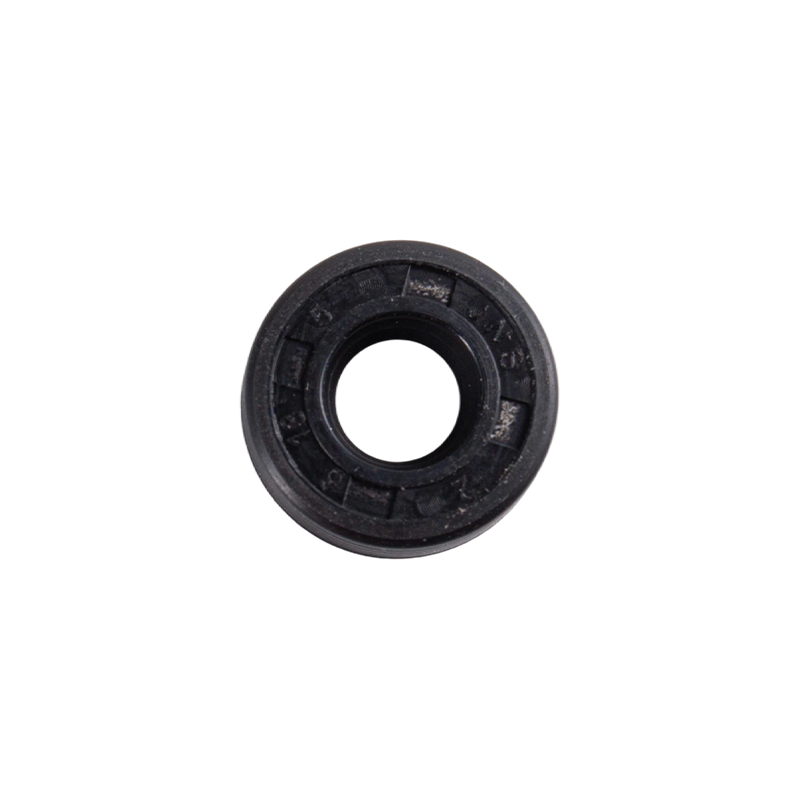
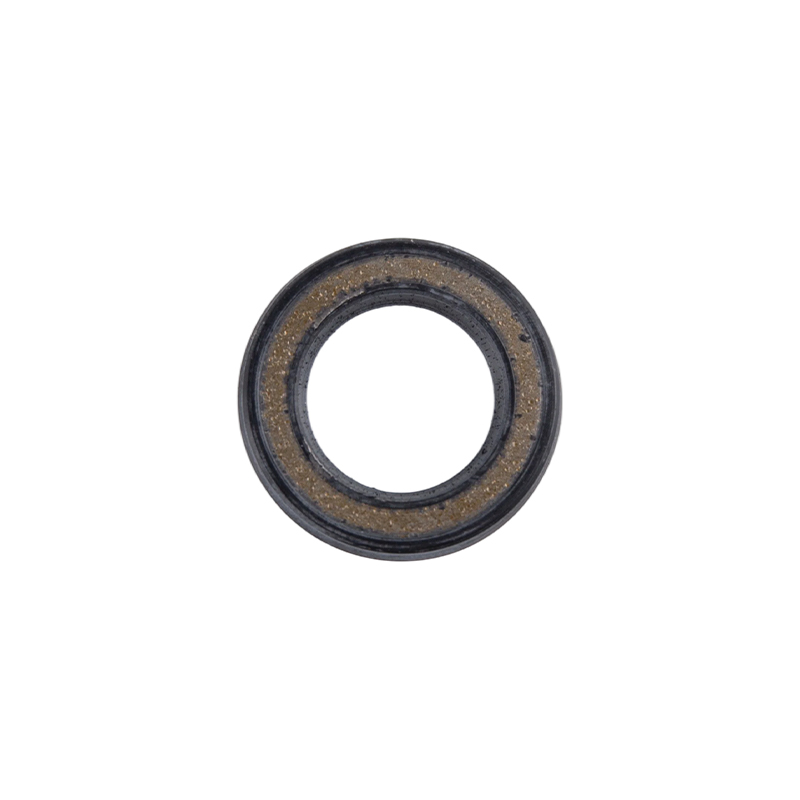
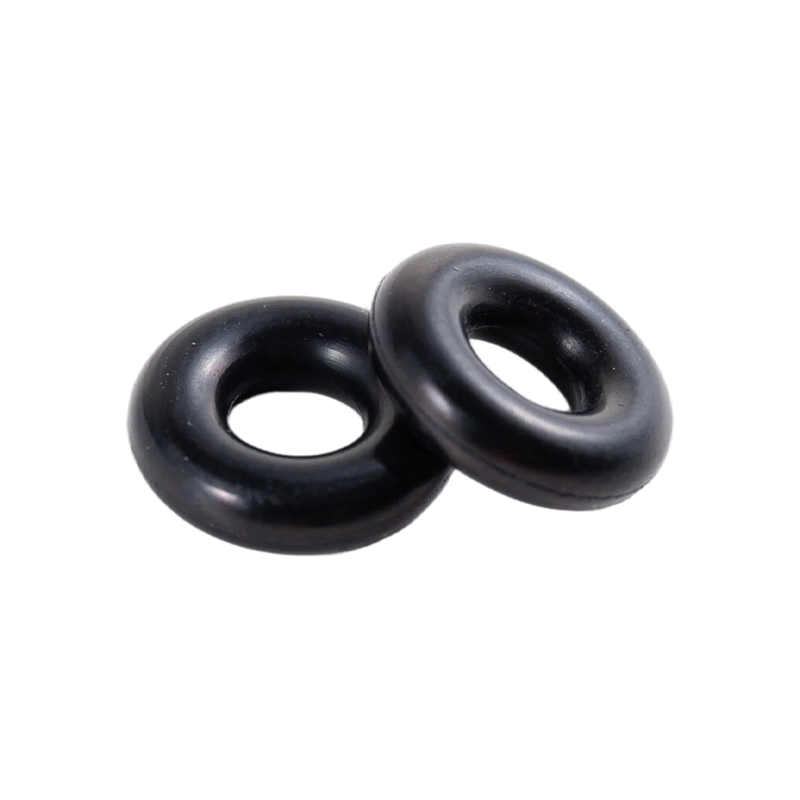
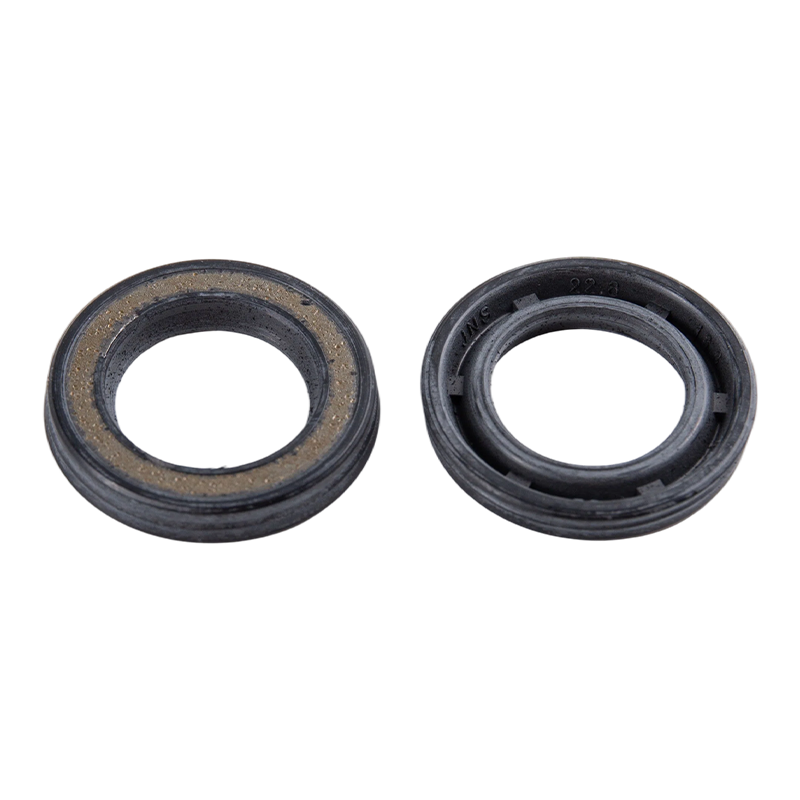
A miscellaneous sealing ring refers to a specialized sealing component designed for unique industrial applications where standard sealing products cannot fully satisfy performance requirements. These sealing rings are commonly developed according to specific equipment structures, operating environments, and customer requirements.
Unlike general-purpose sealing rings, miscellaneous sealing rings usually involve customized dimensions, special material combinations, unique profiles, or enhanced performance characteristics. They are widely used in industries where precision and reliability are critical.
For example, a hydraulic system operating under high pressure may require a sealing ring with excellent wear resistance and pressure stability. A chemical processing machine may need a sealing ring with strong chemical compatibility. A high-temperature industrial furnace may require materials capable of maintaining sealing performance under extreme thermal conditions.
Therefore, the design of a miscellaneous sealing ring usually considers multiple factors, including:
- Operating temperature range
- Working pressure
- Contact medium
- Mechanical movement conditions
- Required service life
- Installation space limitations
- Material compatibility
The increasing complexity of industrial equipment has created a growing need for customized sealing solutions. Many manufacturers now cooperate with custom rubber seal ring suppliers to develop products that match their specific operational requirements.
Difference Between Standard Sealing Rings and Miscellaneous Sealing Rings
| Comparison Item | Standard Sealing Ring | Miscellaneous Sealing Ring |
|---|---|---|
| Design Method | Fixed specifications | Customized engineering design |
| Size Range | Standard dimensions | Flexible dimensions |
| Application | General equipment | Specialized industrial systems |
| Material Options | Limited materials | Multiple rubber and polymer choices |
| Performance Requirements | Basic sealing function | Advanced sealing performance |
| Production Volume | Large-scale production | Custom and small-batch production |
| Application Flexibility | Moderate | High adaptability |
The major advantage of miscellaneous sealing rings is their ability to solve complex sealing challenges. When equipment designers create new machines or upgrade existing systems, standard sealing products may not provide the required performance. Customized sealing rings offer a more effective solution by matching the exact operating conditions.
Why Industrial Sealing Rings Are Critical for Equipment Performance
Industrial equipment often operates under demanding conditions. Without effective sealing systems, machines may experience fluid leakage, pressure loss, contamination, and accelerated component wear.
An industrial sealing ring serves several important functions:
- Preventing leakage of liquids and gases
- Maintaining system pressure
- Protecting internal components from contamination
- Reducing maintenance frequency
- Improving operational reliability
As industries become more automated, the importance of reliable sealing technology continues to increase.
Preventing Fluid Leakage
Fluid leakage is one of the most common problems affecting industrial equipment. In hydraulic systems, even minor leakage can reduce efficiency and create safety risks.
Hydraulic machinery depends heavily on effective sealing performance. Hydraulic sealing ring products are designed to maintain pressure between moving components while preventing hydraulic oil loss.
Common applications include:
- Hydraulic cylinders
- Hydraulic pumps
- Control valves
- Construction equipment
- Industrial automation systems
A properly designed sealing ring ensures that hydraulic systems maintain stable pressure during continuous operation.
Improving Equipment Reliability
Equipment downtime can significantly affect manufacturing productivity. A failed sealing component may cause:
- Production interruption
- Increased maintenance costs
- Equipment damage
- Reduced operational efficiency
High-quality miscellaneous sealing rings help improve reliability by providing longer service life and stable performance.
Compared with conventional sealing components, customized sealing solutions can better match actual working environments. For example:
- Oil resistant sealing ring products are suitable for environments exposed to lubricants and petroleum-based fluids.
- High temperature sealing ring products are designed for thermal processing equipment.
- Precision sealing ring products support advanced machinery requiring strict dimensional accuracy.
Supporting Harsh Working Conditions
Modern industries increasingly operate in challenging environments. Sealing components must perform under:
- Extreme temperatures
- High pressure conditions
- Chemical exposure
- Continuous mechanical movement
- Heavy vibration
Different industries require different sealing characteristics.
| Working Environment | Required Performance | Recommended Sealing Solution |
|---|---|---|
| High temperature equipment | Heat resistance | High temperature sealing ring |
| Hydraulic machinery | Pressure stability and wear resistance | Hydraulic sealing ring |
| Oil-related systems | Oil compatibility | Oil resistant sealing ring |
| Precision machinery | Dimensional accuracy | Precision sealing ring |
| Chemical equipment | Chemical resistance | Advanced polymer sealing ring |
The ability to customize materials and designs makes miscellaneous sealing rings an increasingly important solution for industrial applications.
Materials Used in Miscellaneous Sealing Rings: Choosing the Right Rubber and Polymer Solutions
Material selection is one of the most important factors affecting sealing performance. Different industrial environments require different material characteristics.
A professional custom sealing ring manufacturer typically evaluates application conditions before recommending suitable materials.
Common sealing ring materials include:
| Material | Main Characteristics | Typical Applications |
|---|---|---|
| NBR Rubber | Excellent oil resistance and good mechanical strength | Hydraulic equipment, machinery |
| EPDM Rubber | Strong weather and chemical resistance | Water systems, outdoor equipment |
| Silicone Rubber | High temperature resistance and flexibility | Medical, food, industrial applications |
| FKM Rubber | Superior chemical and heat resistance | Advanced industrial equipment |
| Polyurethane (PU) | High wear resistance and durability | Hydraulic sealing systems |
NBR Rubber Sealing Rings
NBR rubber sealing rings are widely used because of their excellent resistance to oils, fuels, and hydraulic fluids.
Advantages include:
- Good abrasion resistance
- Stable mechanical properties
- Cost efficiency
- Wide industrial application range
They are commonly found in:
- Hydraulic systems
- Automotive components
- Industrial machinery
- Pump systems
For many general industrial applications, rubber sealing ring products based on NBR provide a reliable balance between performance and cost.
High Temperature Sealing Ring Materials
High-temperature environments require sealing materials that can maintain elasticity and structural stability.
Typical applications include:
- Industrial ovens
- Thermal processing equipment
- Chemical processing systems
- High-temperature machinery
Materials such as silicone rubber and FKM are often selected because they can withstand elevated temperatures while maintaining sealing performance.
A high temperature sealing ring helps reduce failures caused by:
- Material hardening
- Thermal degradation
- Loss of elasticity
Custom Sealing Ring Manufacturer: How Customized Solutions Meet Industrial Requirements
As industrial equipment becomes increasingly specialized, the demand for customized sealing solutions continues to grow. Many manufacturers are no longer satisfied with standard sealing components because modern machines often require unique dimensions, special materials, and enhanced performance characteristics.
A professional custom sealing ring manufacturer plays an important role in developing sealing solutions that match specific industrial requirements. Through engineering analysis, material selection, precision manufacturing, and quality testing, manufacturers can provide sealing components that deliver reliable performance in demanding environments.
Customized sealing rings are especially valuable in industries where equipment operates under extreme pressure, high temperature, chemical exposure, or continuous movement.
Why Choose Custom Miscellaneous Sealing Rings?
Standard sealing rings are suitable for many common applications. However, complex industrial systems often require specially designed products.
The advantages of customized miscellaneous sealing rings include:
Precise Dimensional Matching
Industrial equipment often has unique installation spaces. A customized sealing ring can be manufactured according to exact specifications, including:
- Inner diameter
- Outer diameter
- Cross-section size
- Groove dimensions
- Special profiles
This ensures better installation accuracy and reduces sealing failures caused by improper fitting.
Optimized Material Selection
Different working environments require different material characteristics.
For example:
- Hydraulic systems require pressure-resistant materials.
- Oil-related equipment requires oil-resistant rubber compounds.
- High-temperature equipment requires heat-resistant materials.
- Chemical equipment requires corrosion-resistant materials.
A custom rubber seal ring supplier can recommend suitable materials according to actual operating conditions.
Improved Equipment Performance
Customized sealing solutions can improve:
- Leakage prevention
- Equipment efficiency
- Component lifespan
- Maintenance intervals
By designing a sealing ring specifically for a machine, engineers can achieve better compatibility compared with general-purpose products.
OEM Manufacturing Process of Miscellaneous Sealing Rings
Professional OEM sealing manufacturers usually follow a systematic production process to ensure product reliability.
| Manufacturing Stage | Description |
|---|---|
| Requirement Analysis | Evaluate application environment, pressure, temperature, and sealing conditions |
| Product Design | Develop customized sealing structure and dimensions |
| Material Selection | Choose suitable rubber, polymer, or composite materials |
| Mold Development | Manufacture precision molds based on design requirements |
| Production | Complete molding, trimming, and surface treatment |
| Quality Inspection | Test dimensions, hardness, elasticity, and sealing performance |
| Packaging and Delivery | Prepare products according to customer requirements |
Precision Manufacturing Technology
The performance of a sealing ring depends not only on material quality but also on manufacturing accuracy.
Modern sealing ring production commonly involves:
- Precision molding technology
- Automated production equipment
- Advanced inspection systems
- Strict dimensional control
For precision applications, even small dimensional differences may affect sealing performance. Therefore, precision manufacturing has become a key requirement for industrial sealing components.
This is particularly important for precision sealing ring for industrial equipment applications, where machines require stable operation over long periods.
Key Applications of Miscellaneous Sealing Rings Across Industries
The application range of miscellaneous sealing rings continues to expand as industries develop more advanced equipment.
From heavy machinery to precision devices, sealing components are essential for maintaining safe and efficient operation.
Hydraulic Equipment Applications
Hydraulic systems are among the largest users of advanced sealing components.
Hydraulic equipment operates under:
- High pressure
- Continuous movement
- Heavy loads
- Frequent operating cycles
Therefore, hydraulic sealing ring products must provide:
- Excellent pressure resistance
- Low friction performance
- High wear resistance
- Long service life
Common applications include:
- Hydraulic cylinders
- Hydraulic pumps
- Industrial presses
- Injection molding machines
- Construction equipment
A properly designed hydraulic sealing ring prevents hydraulic fluid leakage and maintains system efficiency.
Automotive and Transportation Equipment
The automotive industry requires sealing rings for numerous systems, including:
- Engine components
- Fuel systems
- Transmission systems
- Cooling systems
- Brake systems
Automotive sealing applications require:
- Oil resistance
- Temperature stability
- Vibration resistance
- Long-term durability
Because vehicle components operate under changing temperatures and mechanical stress, manufacturers often use specialized rubber sealing ring solutions.
Industrial Machinery Applications
Industrial machinery represents another major application area.
Manufacturing equipment often requires sealing components that can withstand:
- High-speed operation
- Mechanical vibration
- Dust contamination
- Lubricant exposure
Typical applications include:
- CNC equipment
- Automation systems
- Packaging machinery
- Processing equipment
- Factory production lines
In these environments, customized miscellaneous sealing rings help maintain stable operation and reduce unexpected equipment failures.
Medical and Precision Equipment Applications
Precision industries require sealing components with extremely high accuracy.
Medical and laboratory equipment often requires:
- Clean materials
- Accurate dimensions
- Stable sealing performance
- Chemical compatibility
Precision sealing rings are widely used in:
- Medical devices
- Testing equipment
- Laboratory systems
- Precision instruments
For these applications, manufacturers must carefully control material properties and production processes.
Industrial Application Comparison Table
| Industry | Main Challenges | Recommended Sealing Solution |
|---|---|---|
| Hydraulic Equipment | High pressure and continuous movement | Hydraulic sealing ring |
| Automotive Industry | Oil exposure and temperature changes | Oil resistant sealing ring |
| Chemical Equipment | Chemical corrosion | High-performance polymer sealing ring |
| Thermal Equipment | Extreme temperature | High temperature sealing ring |
| Precision Machinery | Strict dimensional requirements | Precision sealing ring |
| Automation Systems | Long operating cycles | Customized miscellaneous sealing ring |
High Temperature and Oil Resistant Sealing Rings: Solutions for Extreme Environments
Industrial equipment is becoming more powerful and efficient, but this also creates greater challenges for sealing technology.
Extreme environments can accelerate sealing failure through:
- Material degradation
- Loss of elasticity
- Cracking
- Expansion or shrinkage
- Chemical damage
Therefore, specialized sealing rings are required for demanding applications.
High Temperature Sealing Ring Performance Requirements
High temperature applications require materials capable of maintaining stable physical properties.
A high temperature sealing ring should provide:
- Thermal stability
- Resistance to aging
- Long-term elasticity
- Reliable sealing pressure
Common industries requiring high temperature sealing solutions include:
- Heat treatment equipment
- Chemical processing
- Industrial ovens
- Power equipment
Materials such as silicone rubber and FKM are frequently selected because of their excellent temperature resistance.
Oil Resistant Sealing Ring Applications
Oil exposure is common in mechanical and hydraulic systems.
Traditional sealing materials may experience:
- Swelling
- Softening
- Reduced strength
- Loss of sealing ability
An oil resistant sealing ring is designed to maintain stable performance when exposed to:
- Hydraulic oil
- Lubricants
- Fuel
- Petroleum-based fluids
Common applications include:
| Application Area | Main Requirement |
|---|---|
| Hydraulic systems | Oil compatibility and pressure resistance |
| Engines | Temperature and chemical resistance |
| Industrial pumps | Long-term sealing stability |
| Machinery components | Wear resistance |
Conclusion
As industrial technology advances, sealing components are vital for equipment reliability and efficiency. The miscellaneous sealing ring has evolved from a basic part into a highly customized solution for complex industrial needs, especially under challenging conditions like high pressure, extreme temperatures, and chemical exposure.
Customized sealing rings, developed by experienced manufacturers, offer clear benefits such as better leakage prevention, longer lifespan, and lower maintenance. Different applications require specific traits—hydraulic systems need reliable hydraulic seals, oil-rich environments demand oil-resistant materials, and high-heat conditions call for temperature-stable designs, while precision equipment relies on accurate sealing solutions. Material choice—including NBR, EPDM, silicone, and FKM—is critical, and working with a skilled supplier ensures the right fit.
PREV:How to Choose the Right Ring Oil Seal for Different Industrial Applications?
NEXT:NBR/HNBR/FPM O-Ring: Comprehensive Material Comparison & Engineering Selection Guide
NEXT:NBR/HNBR/FPM O-Ring: Comprehensive Material Comparison & Engineering Selection Guide


Want to know more
about us?
about us?

Precision sealing for gas springs and dampers. Durable, wear-resistant, and built for long-life performance in demanding applications.
Product Categories
Quick Links
Contact Us
-
Email: jns@jnsseals.cn

-
Manager Gong: +86-18563770820

-
Manager Wang: +8615357558902
-
No. 5, Meilin Avenue, Meilin Industrial Development Zone, Ningguo City, Anhui Province, China

