

 English
 русский
 Deutsch
 Türk
Türk 中文简体
中文简体
L-Shaped Oil Seal Ring: Engineering Guide for Piston, Rod, and Gas Spring Seals
L-Shaped Oil Seal Ring: Engineering Guide for Piston, Rod, and Gas Spring Seals
L-Shaped Oil Seal Ring: Engineering Guide for Piston, Rod, and Gas Spring Seals
L-Shaped Oil Seal Ring: Engineering Guide for Piston, Rod, and Gas Spring Seals
L-Shaped Oil Seal Ring: Engineering Guide for Piston, Rod, and Gas Spring Seals
L-Shaped Oil Seal Ring: Engineering Guide for Piston, Rod, and Gas Spring Seals
L-Shaped Oil Seal Ring: Engineering Guide for Piston, Rod, and Gas Spring Seals
L-Shaped Oil Seal Ring: Engineering Guide for Piston, Rod, and Gas Spring Seals
L-Shaped Oil Seal Ring: Engineering Guide for Piston, Rod, and Gas Spring Seals
L-Shaped Oil Seal Ring: Engineering Guide for Piston, Rod, and Gas Spring Seals
L-Shaped Oil Seal Ring: Engineering Guide for Piston, Rod, and Gas Spring Seals
L-Shaped Oil Seal Ring: Engineering Guide for Piston, Rod, and Gas Spring Seals
L-Shaped Oil Seal Ring: Engineering Guide for Piston, Rod, and Gas Spring Seals
L-Shaped Oil Seal Ring: Engineering Guide for Piston, Rod, and Gas Spring Seals
L-Shaped Oil Seal Ring: Engineering Guide for Piston, Rod, and Gas Spring Seals
L-Shaped Oil Seal Ring: Engineering Guide for Piston, Rod, and Gas Spring Seals

Industry news
Home / News / Industry news / L-Shaped Oil Seal Ring: Engineering Guide for Piston, Rod, and Gas Spring Seals
NEW Category
Contact us
L-Shaped Oil Seal Ring: Engineering Guide for Piston, Rod, and Gas Spring Seals
Content
When an L-Shaped Oil Seal Ring Is the Right Choice
An engineer working on a compact gas spring noticed oil seepage along the rod after extended cycling. The gland had been sized for a standard O-ring, but the rod moved too quickly and the O-ring began to twist. When the gland was redesigned around an L-shaped oil seal ring, the leak stopped and friction remained predictable. That result is not an accident. The L-shaped profile gives the seal a more stable sealing lip than an O-ring while remaining easier to install than many multi-lip designs.
An L-shaped oil seal ring is not a universal replacement for every seal type. It works best when the lip has controlled interference against the moving surface, the static leg carries the axial load from pressure, and the gland leaves enough space for the lip to flex. In return, it provides low to moderate friction, predictable breakaway, and good resistance to rolling in short-stroke applications.
What Defines an L-Shaped Oil Seal Ring
The name comes from the cross-section: one sealing lip is oriented toward the moving surface, while the second leg sits against the gland or a backup component. The lip controls the oil film on the rod or piston bore. The leg locates the seal, prevents twisting under reciprocating motion, and transfers pressure forces to the gland.
Because the geometry is relatively simple, L-shaped seals are predictable to manufacture and easier to inspect than complex multi-lip profiles. That matters when the application demands stable friction, tight leak rates, and consistent breakaway force, all common requirements in gas springs and dampers.
| Attribute | L-Shaped Oil Seal Ring | Y-Shaped Oil Seal Ring | O-Ring |
|---|---|---|---|
| Cross-section | L-shaped lip with a locating leg | Two-lip profile with a V or Y shape | Round elastomer cross-section |
| Lip stability | Stable; the axial leg reduces roll risk | Excellent in deep, well-machined glands | Moderate; depends on squeeze |
| Typical role | Piston and rod seals for gas springs, dampers, and cylinders | Heavy-duty hydraulic and reciprocating seals | Static sealing and light dynamic duty |
| Main selection risk | Wrong lip squeeze or missing backup support | Gland depth and concentricity errors | Spiral failure or extrusion in dynamic use |
Where L-Shaped Oil Seal Rings Perform Best
L-shaped oil seal rings appear in systems where a piston or rod moves in and out under pressure and the oil film must be controlled repeatedly. Typical applications include gas springs, struts, shock absorbers, lift cylinders, door dampers, height-adjustable furniture mechanisms, and medical positioning equipment. These applications share three traits: reciprocating motion, limited axial space, and the need for a thin, stable oil film on the rod.
Those traits appear across automotive seating, furniture, household appliances, medical equipment, and construction-related products, as shown in the overview of industries we serve. For a standard industrial cylinder or linear actuator, the industrial-standard L-ring kinetic seal is often the first choice because it combines a conventional L-shaped profile with qualified dynamic performance.
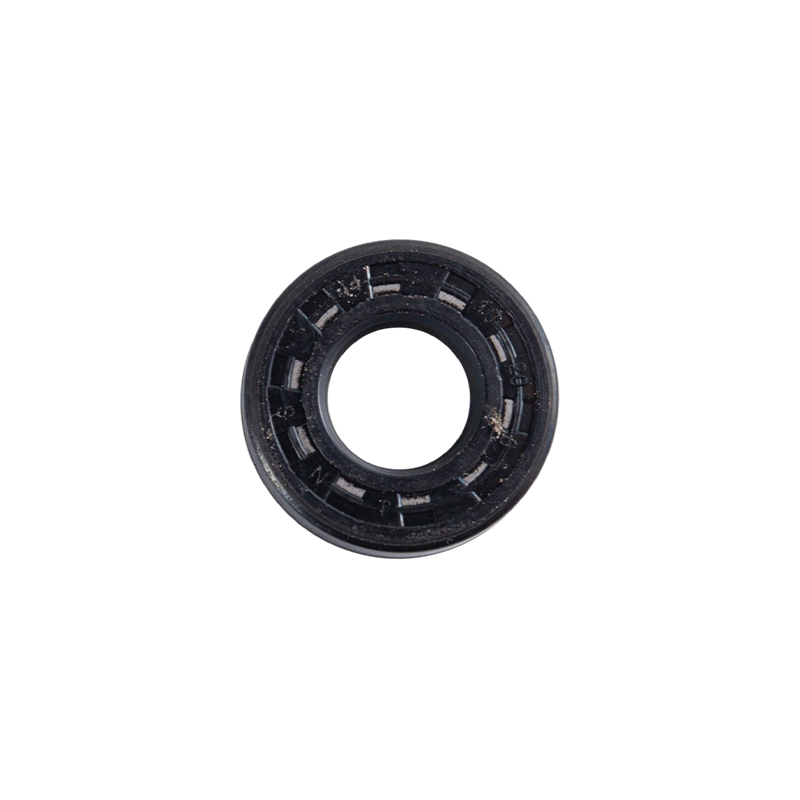
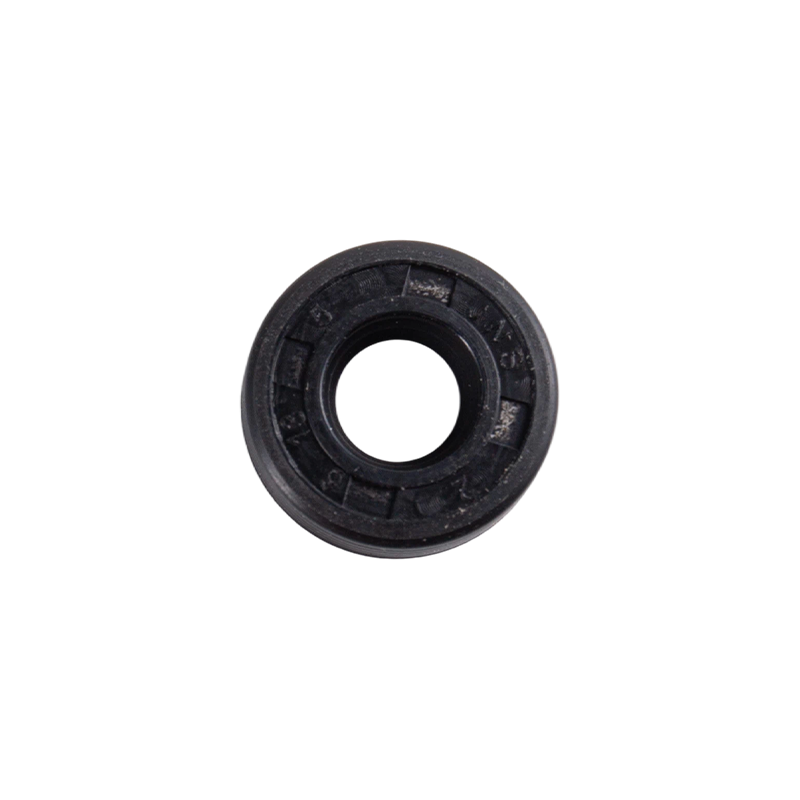 Custom Industrial Standard L-Ring Kinetic Seal Suppliers, Exporter, CompanyNingguo Jnsseals Sealing Technology Co., Ltd. Is China Custom NBR/HNBR/FPM Industrial Standard L-Ring Kinetic Seal Suppliers, Exporter an...View Product →
Five Selection Factors That Decide Seal Life
The same L-shaped geometry can fail or perform exceptionally depending on how it is applied. Work through these factors in order: pressure, material compatibility, surface finish, gland geometry, and bore size.
Pressure, Speed, and Extrusion Risk
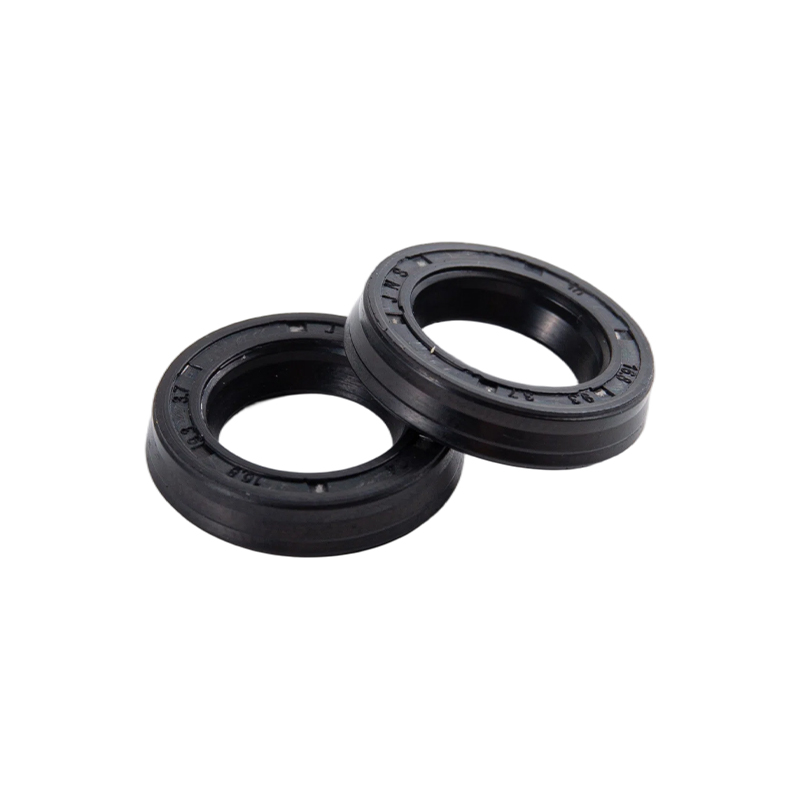
Pressure pushes the seal lip against the moving surface, which raises contact pressure and friction. If the pressure is high and the diametral clearance between the rod and gland is large, the elastomer can be forced into the gap. That condition leads to nibbling or extrusion at the lip edge. A reinforced design is appropriate in these cases. For example, the high-pressure reinforced L-type seal is built to keep the lip in place under higher cylinder loads. At modest pressure, a plain L-ring gives enough margin.
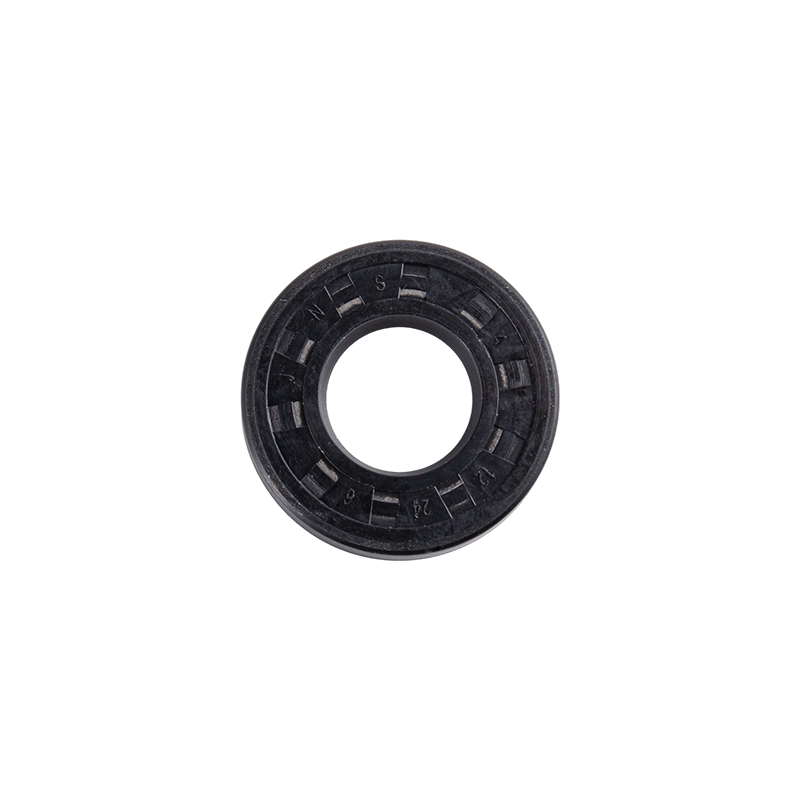 Custom High-Pressure Reinforced L-Type Seal Suppliers, Exporter, CompanyNingguo Jnsseals Sealing Technology Co., Ltd. Is China Custom NBR/HNBR/FPM High-Pressure Reinforced L-Type Seal Suppliers, Exporter and C...View Product →
Temperature and Fluid Compatibility
Seal material must tolerate the fluid and temperature. NBR is a baseline choice for mineral oils and moderate heat. HNBR extends heat resistance and behaves well in oil-lubricated gas springs. FPM, also called FKM, adds resistance to aggressive chemicals and high temperature. PTFE-based or fabric-reinforced variants can lower friction, although they usually need a different gland design. Check the additive package in the oil, not just the base fluid. A seal that is compatible with the base oil can still fail if the additive chemistry attacks the elastomer.
Surface Finish, Speed, and Lubrication
Surface finish of the rod or bore affects lip life and friction more than many engineers expect. A dynamic lip normally needs a ground or polished surface around 0.2 to 0.4 micrometers Ra. Rougher surfaces wear the lip quickly, while very smooth mirror finishes can prevent enough oil from reaching the contact zone, leading to dry running and high friction. The seal should be lubricated during assembly and should never be run without an oil film on the dynamic surface.
Gland Geometry and Squeeze
Lip interference controls the contact pressure. Too little squeeze produces leakage at low pressure. Too much squeeze produces high friction, wear, and difficult installation. The static leg must be supported axially so the pressure does not fold the seal, and every edge that touches the seal should have a controlled radius that avoids cutting the elastomer. L-shaped seals tolerate a certain amount of groove wear, but they reward consistent machining and concentric glands.
Compact Bores and Miniature Seals
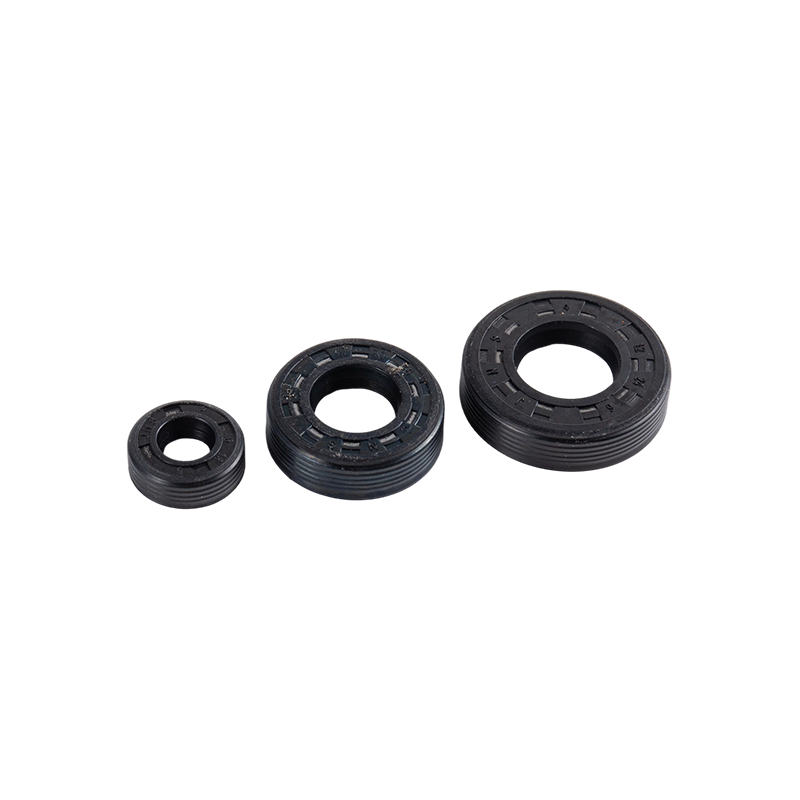
Miniature gas springs, damping cylinders, and pneumatic dampers require seals that fit in small glands without losing lip stability. A small-diameter seal must still maintain uniform squeeze around the entire bore, otherwise it tends to leak or squeal at low speeds. The miniature precision L-type piston seal is designed for these compact, high-cycle applications where dimensional control is critical.
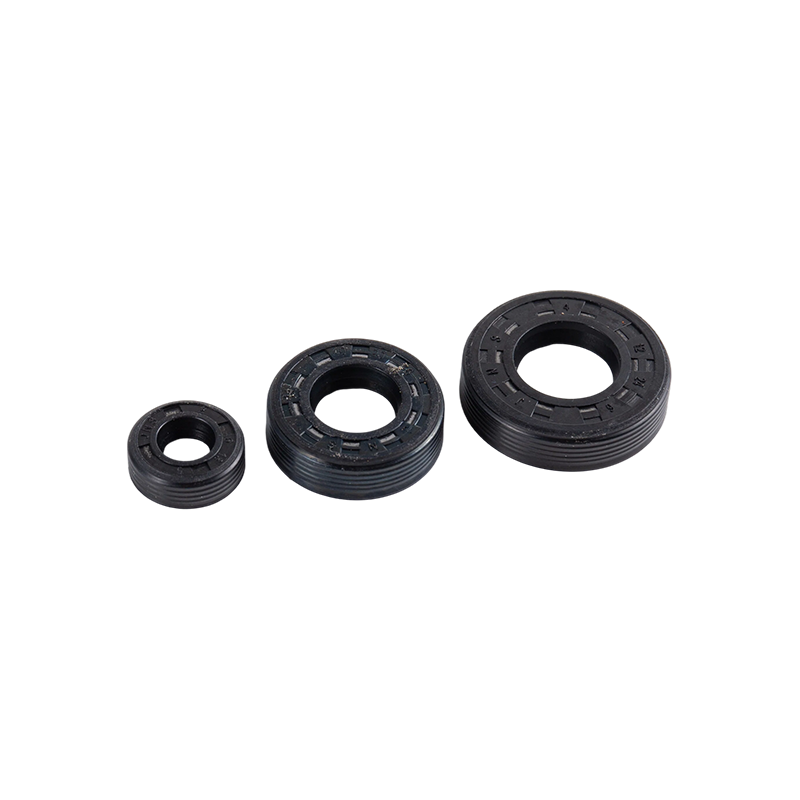 Custom Miniature Precision L-Type Piston Seal Suppliers, Exporter, CompanyNingguo Jnsseals Sealing Technology Co., Ltd. Is China Custom NBR/HNBR/FPM Miniature Precision L-Type Piston Seal Suppliers, Exporter and...View Product →
Installation and Avoidable Failures
An L-shaped oil seal ring is robust once installed, but installation errors account for a large share of premature failures. The sequence below is simple and applies to most piston, rod, and gas spring assemblies.
- Install over a chamfered or rounded leading edge and never drag the seal across sharp threads, keyways, or ports.
- Push the seal straight onto the piston or rod; spiraling or twisting the lip during installation will permanently deform the sealing edge.
- Lubricate both the seal and the mating surface before assembly. Dry installation can tear the lip or create a localized high-friction spot.
- Orient the seal correctly. The sealing lip must face the pressure side. An inverted L-ring will leak as soon as the system pressurizes.
- Inspect the contact edge after assembly when access allows. If the lip is rolled over or uneven, remove the seal and repeat the process rather than chasing a slow leak later.
- Do not reuse a removed seal. Elastomers take a compression set, and the lip geometry will not recover fully after the first installation.
Why an Engineering-Oriented Supplier Reduces Procurement Risk
Procurement risk with an L-shaped oil seal ring is not simply price per piece. It is dimensional consistency, material traceability, tooling control, and the willingness to adjust geometry when the application calls for it. Small variations in lip squeeze or material batch can produce large differences in friction and leak rates.
That reality makes a manufacturer with process control more useful than a general parts distributor. Ningguo Jnsseals focuses on gas spring and damper sealing and has organized its product range around L-shaped, Y-shaped, damping, and O-ring seals. Before approving a supplier, review the quality overview they use for in-process sealing checks. If an application is unusual, discuss sample testing and tolerance conditions with the application engineering team before locking in a part number.
An L-shaped oil seal ring is a simple component in appearance, but its function depends on geometry, materials, and installation discipline. Choose the profile for the right reason, verify the operating envelope, and confirm the supplier can demonstrate quality control in both design and production.
PREV:Rubber Ring Selection Guide: Materials, Sizes, and Standards for Sealing Engineers
NEXT:Damping Oil Seal Guide: How They Work, Why They Fail, and How to Choose
NEXT:Damping Oil Seal Guide: How They Work, Why They Fail, and How to Choose


Want to know more
about us?
about us?

Precision sealing for gas springs and dampers. Durable, wear-resistant, and built for long-life performance in demanding applications.
Product Categories
Quick Links
Contact Us
-
Email: jns@jnsseals.cn

-
Manager Gong: +86-18563770820

-
Manager Wang: +8615357558902
-
No. 5, Meilin Avenue, Meilin Industrial Development Zone, Ningguo City, Anhui Province, China

