

 English
 русский
 Deutsch
 Türk
Türk 中文简体
中文简体
Damping Oil Seal Guide: How They Work, Why They Fail, and How to Choose
Damping Oil Seal Guide: How They Work, Why They Fail, and How to Choose
Damping Oil Seal Guide: How They Work, Why They Fail, and How to Choose
Damping Oil Seal Guide: How They Work, Why They Fail, and How to Choose
Damping Oil Seal Guide: How They Work, Why They Fail, and How to Choose
Damping Oil Seal Guide: How They Work, Why They Fail, and How to Choose
Damping Oil Seal Guide: How They Work, Why They Fail, and How to Choose
Damping Oil Seal Guide: How They Work, Why They Fail, and How to Choose
Damping Oil Seal Guide: How They Work, Why They Fail, and How to Choose
Damping Oil Seal Guide: How They Work, Why They Fail, and How to Choose
Damping Oil Seal Guide: How They Work, Why They Fail, and How to Choose
Damping Oil Seal Guide: How They Work, Why They Fail, and How to Choose
Damping Oil Seal Guide: How They Work, Why They Fail, and How to Choose
Damping Oil Seal Guide: How They Work, Why They Fail, and How to Choose
Damping Oil Seal Guide: How They Work, Why They Fail, and How to Choose
Damping Oil Seal Guide: How They Work, Why They Fail, and How to Choose

Industry news
Home / News / Industry news / Damping Oil Seal Guide: How They Work, Why They Fail, and How to Choose
NEW Category
Contact us
Damping Oil Seal Guide: How They Work, Why They Fail, and How to Choose
Content
A damping oil seal rarely fails with a loud warning. The first visible sign is often a thin film of oil on a shock absorber rod, followed by a slightly softer ride, a sticky stroke, or a puddle under the machine. By then, the seal has already lost its ability to control the oil film. That matters because the oil film is not just lubrication; it is the working layer that maintains damping force and keeps the rod moving smoothly.
In practice, a failed damping oil seal means less rebound control, more dust and dirt entering the damper, and faster wear on the rod and guide bushing. For maintenance engineers and procurement teams, understanding how a damping oil seal works is the first step to choosing a replacement that will last more than a few thousand cycles.
What Is a Damping Oil Seal?
A damping oil seal is a dynamic sealing component used in shock absorbers, gas springs, steering dampers, furniture dampers, and other linear damping devices. It sits in the cylinder head and closes the gap between the moving rod and the cylinder wall. Unlike a static O-ring, it must handle continuous sliding motion, changing pressure, and contamination from outside.
The seal has two jobs at the same time: keep oil inside the damper and keep dirt, water, and dust from getting in. A seal that only stops leakage but cannot wipe the rod clean will quickly damage both its own lip and the rod surface. That is why the geometry of the seal lip is more important than the rubber material alone.
How a Damping Oil Seal Controls the Oil Film
The lip is the heart of the damping oil seal. It contacts the moving rod with a controlled interference, creating a narrow contact band. The elastomer's own resilience, sometimes supported by a spring, presses the lip against the rod. When the rod extends or compresses, it drags a small amount of oil toward the lip. The lip geometry acts as a pump: it returns most of that oil to the interior while allowing only a very thin film to pass.
If the film is too thick, the damper weeps. If it is too thin, the lip runs dry, friction rises, and heat builds up inside the seal. The right balance depends on rod speed, system pressure, temperature, and the viscosity of the oil.
Sealing Lip Geometry Matters
Y-shaped and L-shaped profiles are common in damper seals because they react to pressure by increasing contact force. The angle, length, and thickness of the lip control how much oil passes. A balanced damping seal is designed to avoid excessive pressure buildup between lip and rod, which is why choosing the correct cross-section is as important as matching the diameter.
The Rod Surface Is Half of the Seal
Even a perfect lip cannot work on a rough, pitted, or soft rod. Damping rods are usually precision-ground or polished, and many are coated with hard chrome or nitriding to resist wear. If the rod has scratches or rust, the lip will follow the damage and leak. Replacing the seal without checking the rod condition is one of the most common causes of repeated failure.
Why Damping Oil Seals Fail
Damping oil seals fail for a few predictable reasons. Identifying the real cause of the leak prevents you from installing a new seal that will fail the same way.
Shaft Wear and Grooving
One of the most common field complaints is a groove worn into the rod. The cause is usually contamination. Small particles become embedded in the seal lip and act like cutting tools as the rod slides back and forth. High surface pressure, misalignment, and poor lubrication accelerate the process.
The result is a hard-edged groove that destroys every new seal you install. In that situation, replacing the seal is not enough. You also have to address the rod surface, the wiper, or the alignment of the damper assembly.
Material and Temperature Compatibility
Elastomer selection controls whether the seal will swell, harden, crack, or lose lip force under load. NBR is a general-purpose choice for mineral oil. HNBR is a better fit when higher temperature and wear resistance are needed. FPM handles more aggressive fluids and higher continuous temperatures. The correct material depends on the oil type, the ambient temperature, and the duty cycle.
| Material | Typical Temperature Range | Best Suited For | Watch Out For |
|---|---|---|---|
| NBR | -30 °C to +100 °C | Mineral oil, hydraulic oil, general industrial dampers | Ozone, high temperature, aggressive additives |
| HNBR | -30 °C to +150 °C | Higher-temperature and higher-pressure applications; improved wear resistance | Higher cost than NBR |
| FPM | -20 °C to +200 °C | High-temperature and chemically aggressive fluids | Higher cost; compatibility depends on the specific fluid |
Choosing the Right Damping Oil Seal
Choosing a damping oil seal is not a one-size-fits-all decision. Start with the rod diameter, cylinder bore, groove dimensions, stroke, pressure, rod speed, oil type, and operating temperature. If the damper is part of a gas spring, include the force range as well, because the internal pressure directly changes the load on the seal lip.
- Rod diameter and total stroke
- Working pressure and peak pressure
- Rod speed and sliding frequency
- Oil type and contamination level
- Ambient and fluid temperature range
- Required service life and acceptable friction level
The force range of a gas spring or damper affects the pressure the seal sees. A high-force unit needs a stronger lip design, while a low-force unit may need a lighter contact to reduce friction and stick-slip. This is why a manufacturer that understands damper sealing can save you time.
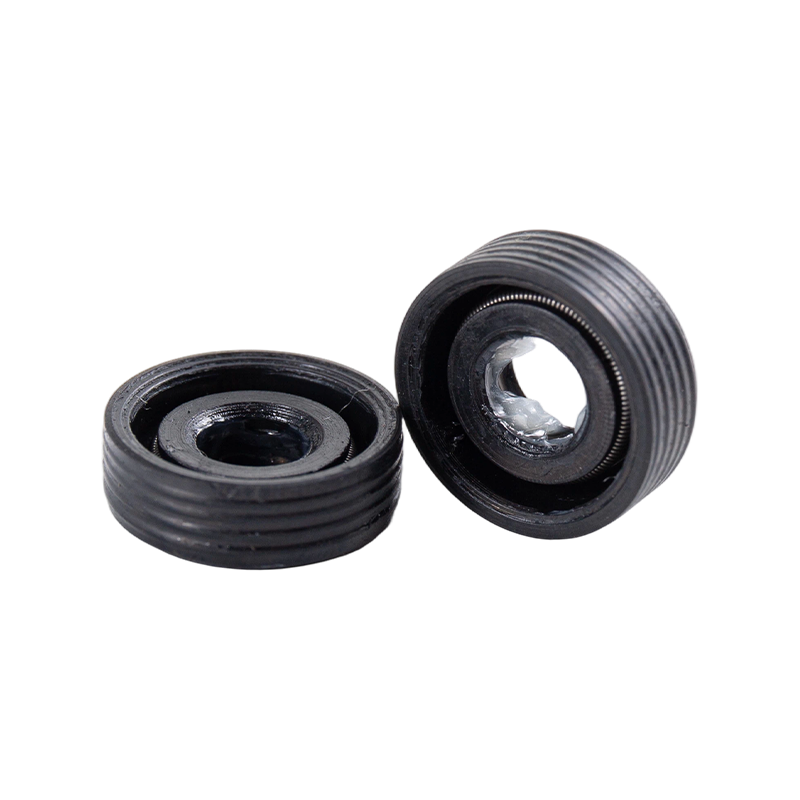
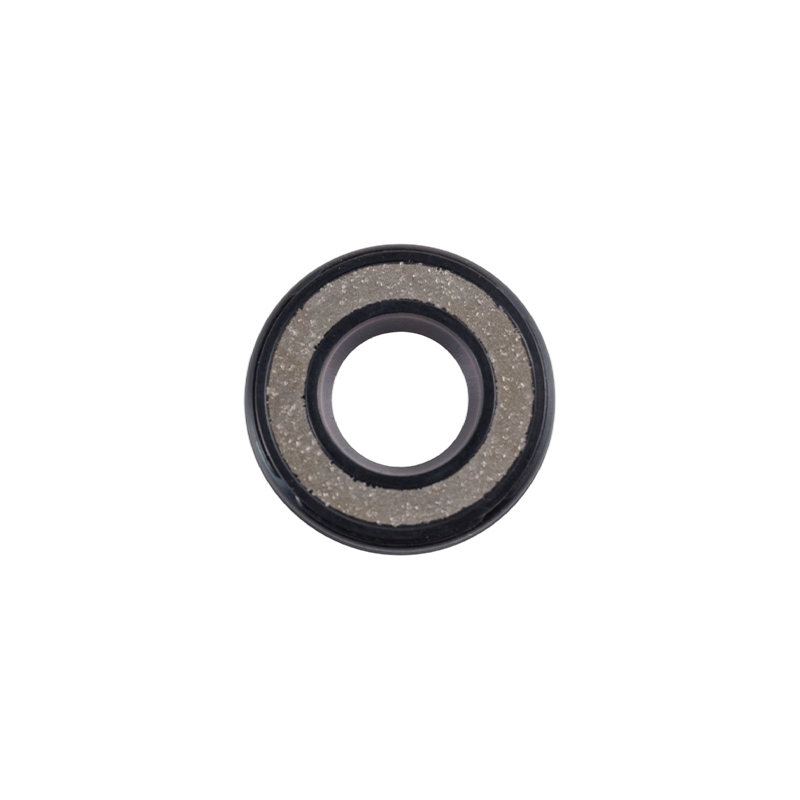
For ordinary industrial dampers running in a straight linear stroke, a balanced profile such as our industrial balanced damping seal is a reliable starting point because it keeps the contact pressure stable across varying oil pressure and temperature.
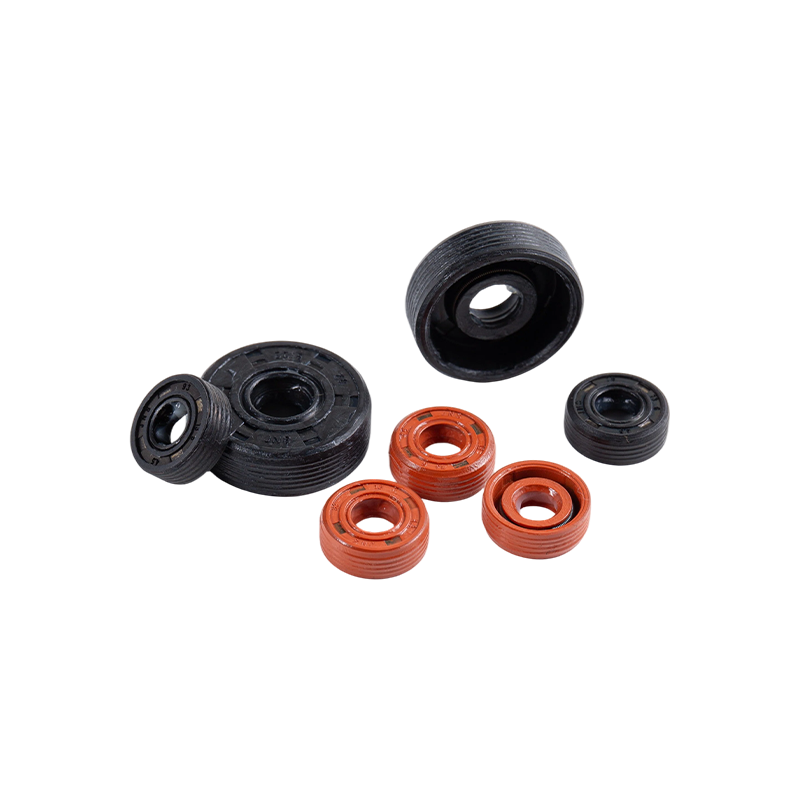 Custom Industrial Balanced Damping Seal Suppliers, Exporter, CompanyNingguo Jnsseals Sealing Technology Co., Ltd. Is China Custom NBR/HNBR/FPM Industrial Balanced Damping Seal Suppliers, Exporter and Compa...View Product →
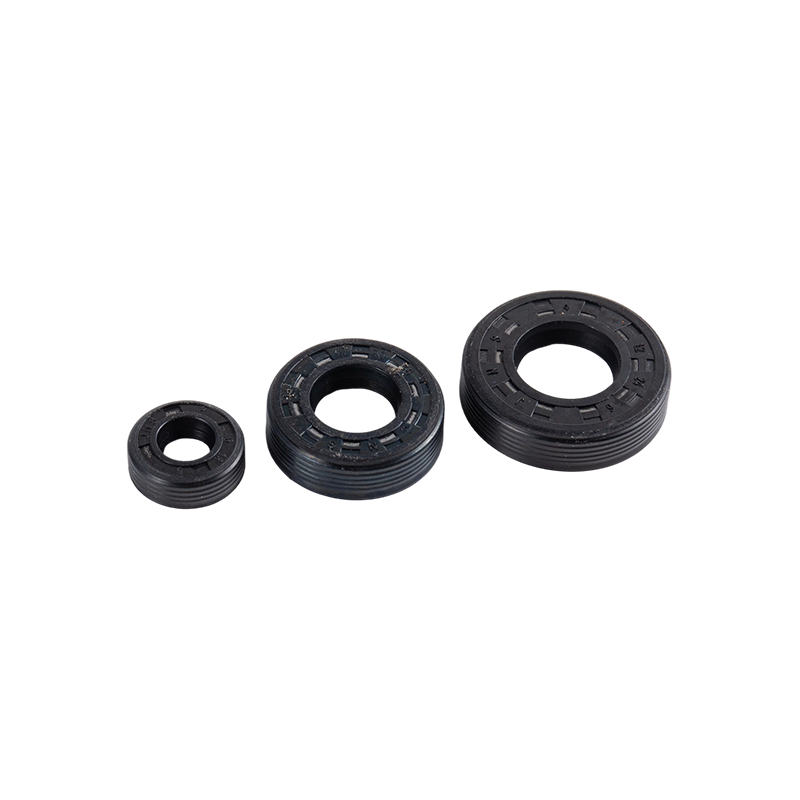
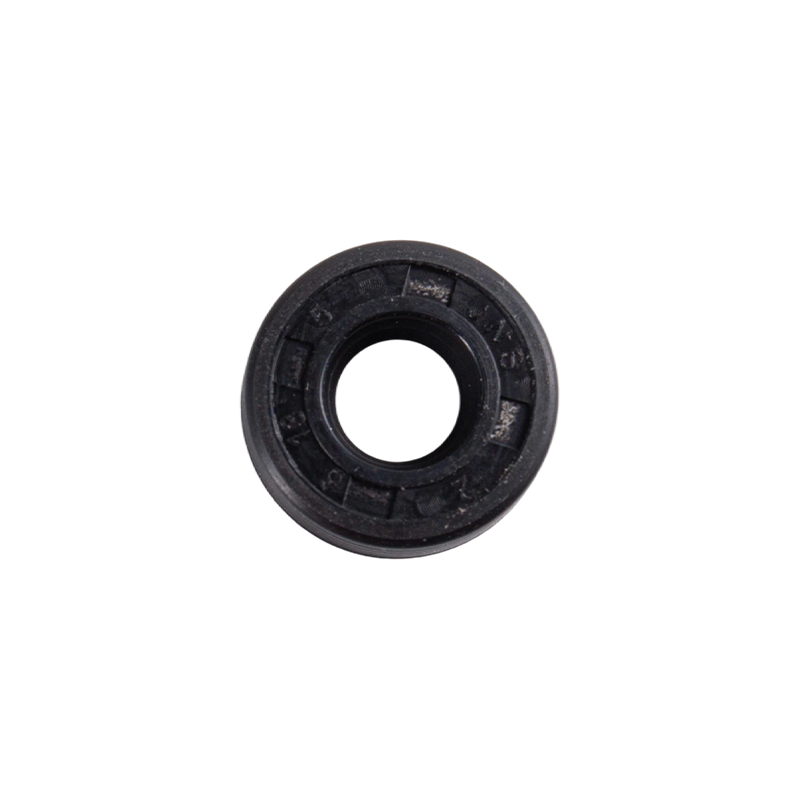
For compact products like furniture dampers or small linear actuators, the miniature precision linear damping seal offers a lower-profile design that fits tighter packaging while still maintaining a consistent oil film.
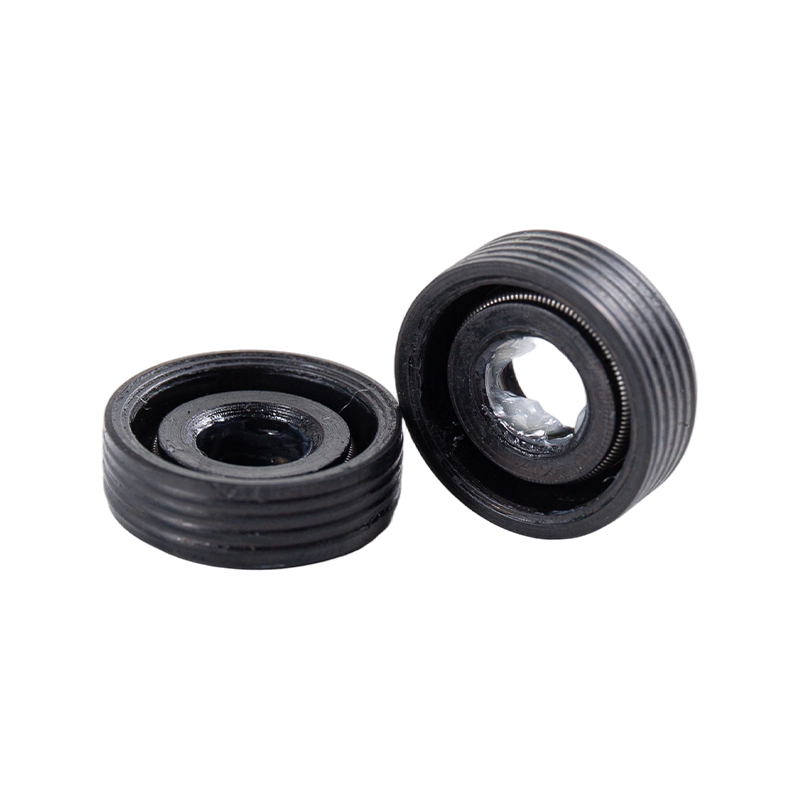 Custom Miniature Precision Linear Damping Seal Suppliers, Exporter, CompanyNingguo Jnsseals Sealing Technology Co., Ltd. Is China Custom NBR/HNBR/FPM Miniature Precision Linear Damping Seal Suppliers, Exporter an...View Product →
Installation and Maintenance Checks
Many damping oil seal failures start at installation, not in service. A sharp edge on the rod can cut the lip. A twisted seal can open a permanent leak path. Even a small burr in the groove can prevent the seal from seating correctly.
Installation Practices That Prevent Early Leaks
- Protect the rod with a thin plastic sleeve or tape before sliding the seal over it.
- Apply a thin layer of the same oil used in the damper before assembly.
- Push the seal in straight, using a fitting sleeve if necessary, to avoid tilting the lip.
- Check that the spring, if present, sits squarely and that the lip faces the pressure side.
- Remove any manufacturing debris or particles from the groove before fitting.
What to Check During Service
- Inspect the rod for scratches, pitting, rust, and wear steps; do not install a fresh seal onto a damaged surface.
- Clean the wiper and the area around the rod before removing the old seal.
- Look for signs of side loading, such as one-sided lip wear, and correct the alignment if present.
- Record the operating temperature and cycle frequency so you can choose a material that matches the real application.
Buy From a Sealing Manufacturer, Not Just a Seal Catalog
A generic damping oil seal that matches the rod diameter will not necessarily match the pressure, speed, and oil-film requirements of your damper. The lip force, cross-section, and material are all part of a balanced system. When you buy from a manufacturer, you can specify the exact operating conditions and get feedback on the profile before committing to a production batch.
We focus specifically on gas spring and damper sealing, which means decisions such as maximum force, rod speed, and fluid type are part of the conversation rather than afterthoughts. If you want a quick overview of the environments we support, our industrial application pages summarize the sectors we serve. For a closer look at how we maintain consistency, our quality control details explain the checks that matter for long service life. And when you have a specific damper design in mind, contact us with your dimensions and operating conditions so we can recommend or develop a matching seal.
Remember that a damping oil seal is a precision component. The correct choice balances oil retention, lubrication, friction, and contamination resistance. Invest time in selection and installation, and the damper will provide the controlled motion and service life you designed for.
PREV:L-Shaped Oil Seal Ring: Engineering Guide for Piston, Rod, and Gas Spring Seals
NEXT:Y-Type Oil Seal Rings Explained: Design, Materials, and How to Select the Right One
NEXT:Y-Type Oil Seal Rings Explained: Design, Materials, and How to Select the Right One


Want to know more
about us?
about us?

Precision sealing for gas springs and dampers. Durable, wear-resistant, and built for long-life performance in demanding applications.
Product Categories
Quick Links
Contact Us
-
Email: jns@jnsseals.cn

-
Manager Gong: +86-18563770820

-
Manager Wang: +8615357558902
-
No. 5, Meilin Avenue, Meilin Industrial Development Zone, Ningguo City, Anhui Province, China

