

 English
 русский
 Deutsch
 Türk
 中文简体
7.3mm Pneumatic-Grade Seal: Specs, Materials and Selection Guide for Engineers
7.3mm Pneumatic-Grade Seal: Specs, Materials and Selection Guide for Engineers
7.3mm Pneumatic-Grade Seal: Specs, Materials and Selection Guide for Engineers
7.3mm Pneumatic-Grade Seal: Specs, Materials and Selection Guide for Engineers
7.3mm Pneumatic-Grade Seal: Specs, Materials and Selection Guide for Engineers
7.3mm Pneumatic-Grade Seal: Specs, Materials and Selection Guide for Engineers
7.3mm Pneumatic-Grade Seal: Specs, Materials and Selection Guide for Engineers
7.3mm Pneumatic-Grade Seal: Specs, Materials and Selection Guide for Engineers
7.3mm Pneumatic-Grade Seal: Specs, Materials and Selection Guide for Engineers
7.3mm Pneumatic-Grade Seal: Specs, Materials and Selection Guide for Engineers
7.3mm Pneumatic-Grade Seal: Specs, Materials and Selection Guide for Engineers
7.3mm Pneumatic-Grade Seal: Specs, Materials and Selection Guide for Engineers
7.3mm Pneumatic-Grade Seal: Specs, Materials and Selection Guide for Engineers
7.3mm Pneumatic-Grade Seal: Specs, Materials and Selection Guide for Engineers
7.3mm Pneumatic-Grade Seal: Specs, Materials and Selection Guide for Engineers
7.3mm Pneumatic-Grade Seal: Specs, Materials and Selection Guide for Engineers

Industry news
Home / News / Industry news / 7.3mm Pneumatic-Grade Seal: Specs, Materials and Selection Guide for Engineers
NEW Category
Contact us
7.3mm Pneumatic-Grade Seal: Specs, Materials and Selection Guide for Engineers
Content
The 7.3mm pneumatic-grade seal is the most critical interface between compressed air and the mechanical components of a gas spring or damper. When this O-ring fails, a hospital bed loses its positioning function, or an automotive tailgate can no longer hold itself open. Unlike a generic gasket, a pneumatic-grade seal is validated for dynamic cycling, extrusion resistance, and compression set under high-pressure air. This article delivers the exact specifications, material comparisons, and failure mode diagnostics that engineers and procurement managers need to source reliable 7.3mm pneumatic-grade seals that survive the rigors of continuous operation.
What a 7.3mm Pneumatic-Grade Seal Must Deliver
A 7.3mm pneumatic-grade seal is an O-ring engineered to hold compressed air in pneumatic cylinders and valves, maintaining a leak-free seal across a specified temperature and pressure range.
The core challenge is that air is far less lubricating than hydraulic oil. A pneumatic seal must operate with minimal friction to allow smooth piston movement while preventing blow-by. In gas springs, this seal is constantly compressed and decompressed as the piston moves, demanding a cross-section tolerance of +/- 0.10mm.
7.3mm
Cross-Section
2.0 MPa
Max Pressure
-40 C to +150 C
Temperature Range
70 Shore A
Typical Hardness
Why 7.3mm? It is the calibrated standard for gas spring piston rods and damping mechanisms, balancing the load of the shaft with a leak-free seal.
Key performance criteria for a 7.3mm pneumatic-grade seal:
- Low friction under 0.5 m/s dynamic speed
- Sustained extrusion resistance at 2 MPa
- Cross-section tolerance held to +/- 0.10mm
- Survival past 500,000 cycles in gas spring applications
Material Selection: NBR vs HNBR vs FKM
For general pneumatic-grade service, NBR is the default choice; for ozone and high-temperature exposure, HNBR is the safer upgrade.
The material dictates everything. NBR (Nitrile) offers excellent resistance to mineral oil and air, but it suffers under ozone and UV exposure. HNBR (Hydrogenated Nitrile) adds resistance to ozone, high temperatures, and wear. FKM offers unmatched chemical resistance but is overkill for most pneumatic cylinders.
| Material | Temperature Range | Air Compatibility | Compression Set | Relative Cost |
| NBR | -30 C to +100 C | Excellent | Good | Low |
| HNBR | -40 C to +150 C | Excellent | Very Good | Medium |
| FKM | -20 C to +200 C | Excellent | Good | High |
If the gas spring is mounted near a motor or compressor, HNBR is mandatory because of ozone. If the system is lubricated with mineral oil and runs at moderate temperature, NBR delivers the best cost-to-performance ratio.
The number one predictor of O-ring life in pneumatic systems is compression set. HNBR retains its cross-section from -40 C to +150 C, making it the safest choice for dynamically loaded gas springs.
Use this quick material selection checklist:
- Is the exposure temperature consistently above 100 C? Choose HNBR.
- Is there ozone exposure (near motors, UV sources)? Choose HNBR.
- Is the media an aggressive fluid? Choose FKM.
- Is cost the primary driver? Choose NBR.
Common Failure Modes and Their Root Causes
Most 7.3mm pneumatic-grade seal failures stem from extrusion, spiral twist, or compression set, not material degradation.
A seal that leaks within 10,000 cycles usually has a mechanical cause, not a chemical one. The chart below shows a distribution of damage patterns observed in pneumatic cylinders using 7.3mm O-rings.
Failure Mode Distribution in 7.3mm Pneumatic Seals
Extrusion
45%
Spiral Twist
25%
Compression Set
20%
Abrasion
10%
Extrusion is the dominant failure mode. It occurs when the pressure forces the seal into the gap between the piston and the cylinder wall. Spiral twist happens during assembly when the O-ring is rolled into a twisted position. Compression set results from the rubber being over-compressed for too long, causing permanent deformation.
| Failure Mode | Root Cause | Solution |
| Extrusion | Wide diametral gap | Use harder material or NBR 90 Shore A, add back-up ring |
| Spiral Twist | Improper installation | Use installation cone and silicone lubricant |
| Compression Set | Overcompression or excessive temperature | Select HNBR or FKM, review groove depth |
| Abrasion | Rough surface finish or lack of lubrication | Surface finishing, use low-friction compound |
A clear diagnosis is the fastest fix. If the cross-section has a flat spot on the pressure side, it is extrusion. If the surface has a spiral tear, it is twist.
How to Select the Right 7.3mm Pneumatic-Grade Seal
Match the compound to the operating temperature, lubricant, and cycle frequency before you check the tolerance.
Tolerance is often where engineers make mistakes. The cross-section of a 7.3mm pneumatic-grade seal is measured at +/- 0.10mm. A groove that is too deep allows extrusion; a groove that is too shallow causes compression set.
Static Application
- Usage: Flange and cover seals
- Pressure: Up to 2 MPa
- Focus: Compression set and chemical compatibility
Dynamic Application
- Usage: Piston rod in damper
- Pressure: 1 to 2 MPa with cycling
- Focus: Extrusion resistance, low friction, wear
For dynamic pneumatic service, always specify a 70 Shore A material for low friction, but verify the pressure gap. If the piston has a large clearance, use a 90 Shore A compound.
In a moving gas spring, the surface speed and lubrication become critical. A 7.3mm pneumatic-grade seal operating at 0.5 m/s requires a minimum 0.05mm oil film to prevent dry friction.
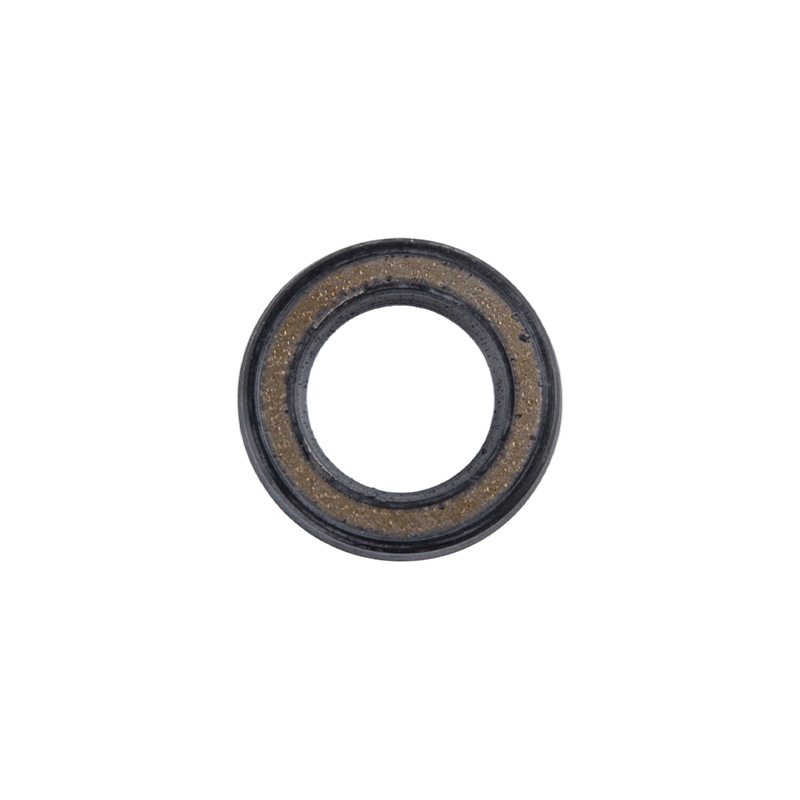
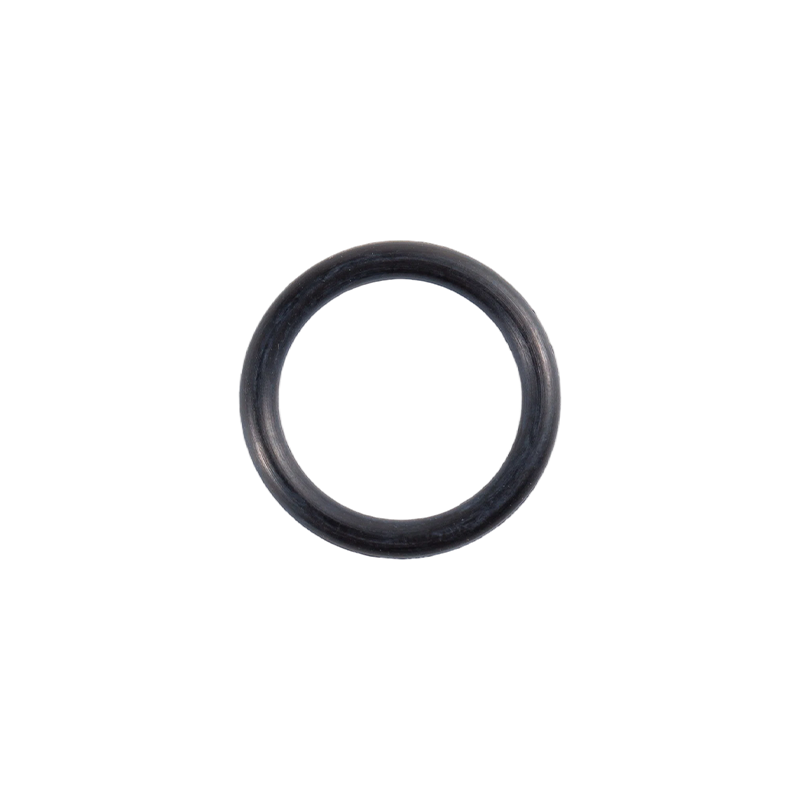 7.3mm Pneumatic-Grade Seal for Gas SpringsThis 7.3mm seal is engineered for pneumatic actuators, ensuring airtightness and volumetric stability in moving gas springs where surface speed and lubrication are critical.View Product →
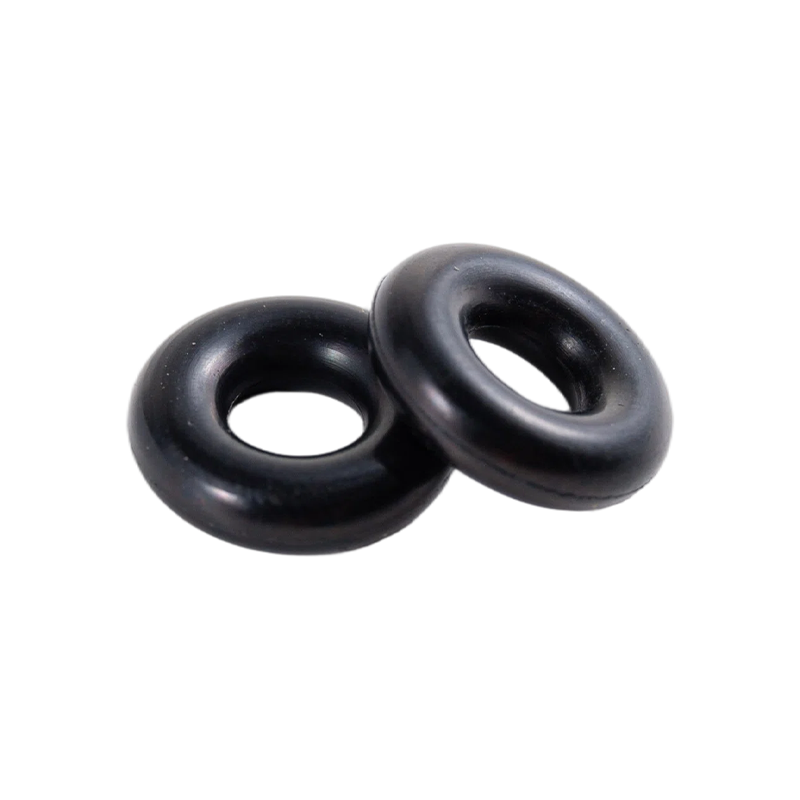
 7x1.9 Standard Kinetic O-Ring for Reciprocating MotionFeaturing a slim 1.9mm width, this O-ring reduces movement resistance, making it suitable for high-frequency reciprocating seals in dynamic applications.View Product →
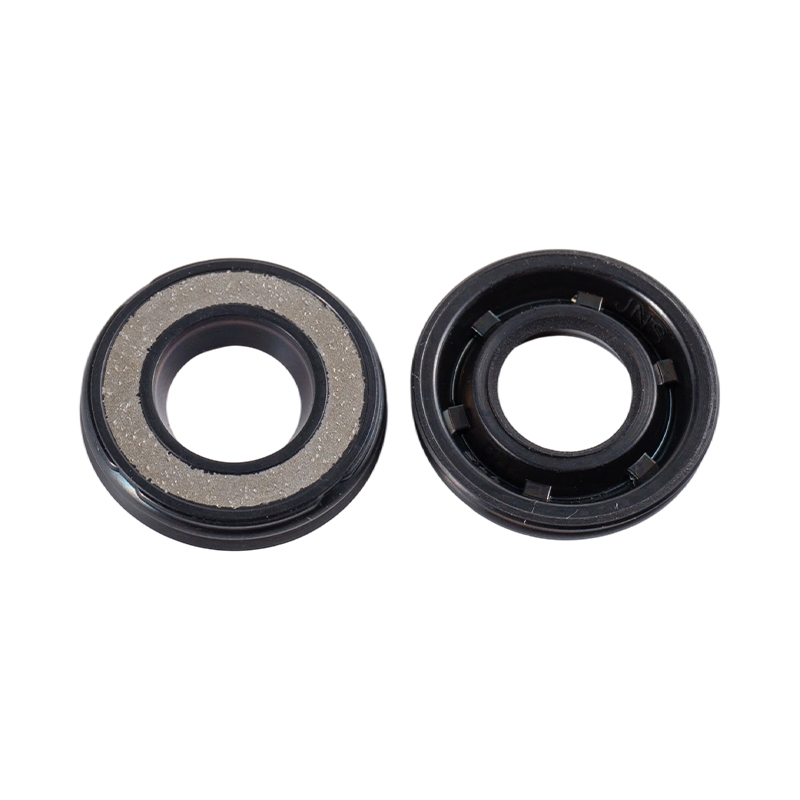 500N Industrial Reciprocal Seal for Medium MachineryDesigned for 13*6 tube IDs, this seal handles 500N peak impact pressure and is ideal for medium machinery requiring reliable reciprocating motion.View Product →
Why JNS Seals Is a Reliable Supplier for 7.3mm Pneumatic-Grade O-Rings
JNS Seals offers a vertically integrated solution, from compound formulation to final quality testing, ensuring batch-to-batch consistency.
Ningguo Jnsseals Sealing Technology Co., Ltd. (JNS) has specialized in gas spring and damper sealing technology since 2019. The company's product portfolio is squarely focused on the applications that demand precision: Y-seals, L-seals, and high-performance O-rings for furniture, automotive, home appliances, and medical equipment.
For engineers who need to understand the difference between materials deeply, JNS has published a comprehensive engineering material comparison guide. Every batch of seals goes through the company's production quality control process. Consistent dimensional and material quality means fewer field failures and lower total cost of ownership.
JNS does not just manufacture O-rings. The company provides custom design, testing, and technical consultation to engineers who need a seal engineered for a specific duty cycle.
Frequently Asked Questions
What is the difference between a standard 7.3mm O-ring and a pneumatic-grade seal?
A standard O-ring is a general-purpose means of sealing. A pneumatic-grade seal is validated to withstand the high cycling rates, dynamic forces, and temperature fluctuations specific to compressed air systems.
Can an NBR 7.3mm O-ring handle a high-cycling pneumatic cylinder?
Yes, but HNBR is usually preferred. NBR can handle moderate cycling, but HNBR offers superior ozone resistance, which is essential if the cylinder runs near a motor that generates ozone.
What is the most common reason a 7.3mm pneumatic O-ring leaks?
Extrusion into the diametral gap. This usually happens because the gland clearance was too wide or the material was too soft for the pressure rating.
Can I get a custom 7.3mm pneumatic-grade seal?
Yes, JNS offers custom design services, including specially formulated compounds, custom tolerances, and prototype testing.
For engineers who need a 7.3mm pneumatic-grade seal that is built for long-term durability, JNS provides direct technical consultation and a rigorous quality assurance process.
PREV:Silicone Rubber Ring Selection Guide: Properties, Applications, Hardness and Specs
NEXT:High-Pressure Reinforced L-Type Seal: Engineering Guide for Gas Spring Dampers
NEXT:High-Pressure Reinforced L-Type Seal: Engineering Guide for Gas Spring Dampers




Want to know more
about us?
about us?

Precision sealing for gas springs and dampers. Durable, wear-resistant, and built for long-life performance in demanding applications.
Product Categories
Quick Links
Contact Us
-
Email: jns@jnsseals.cn

-
Manager Gong: +86-18563770820

-
Manager Wang: +8615357558902
-
No. 5, Meilin Avenue, Meilin Industrial Development Zone, Ningguo City, Anhui Province, China

