

 English
 русский
 Deutsch
 Türk
Türk 中文简体
中文简体
product
product
product
product
product
product
product
product
product
product
product
product
product
product
product
product

Products
Home / Products
Product Category
Contact us
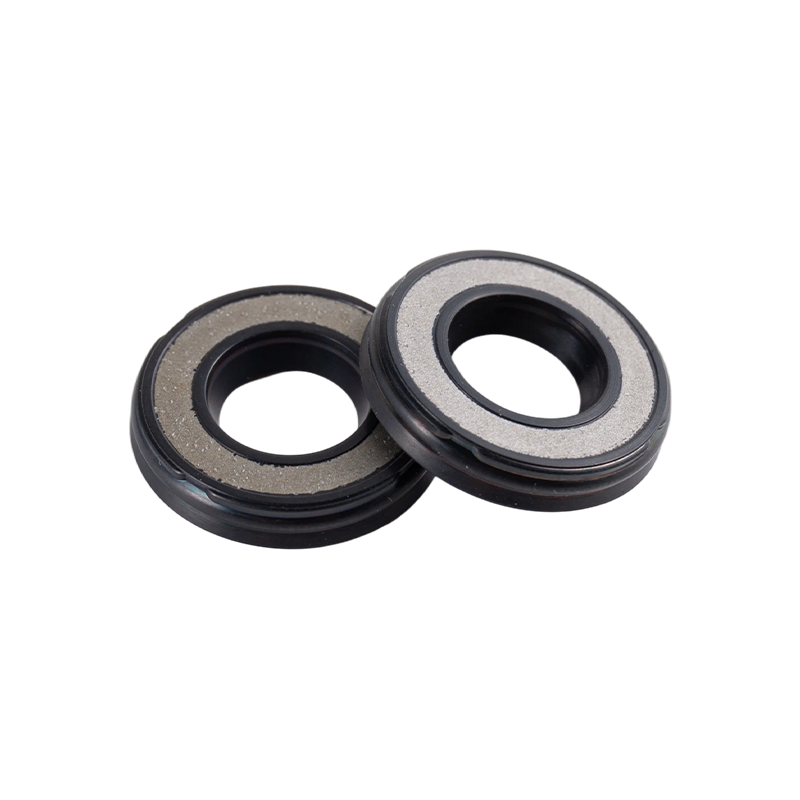
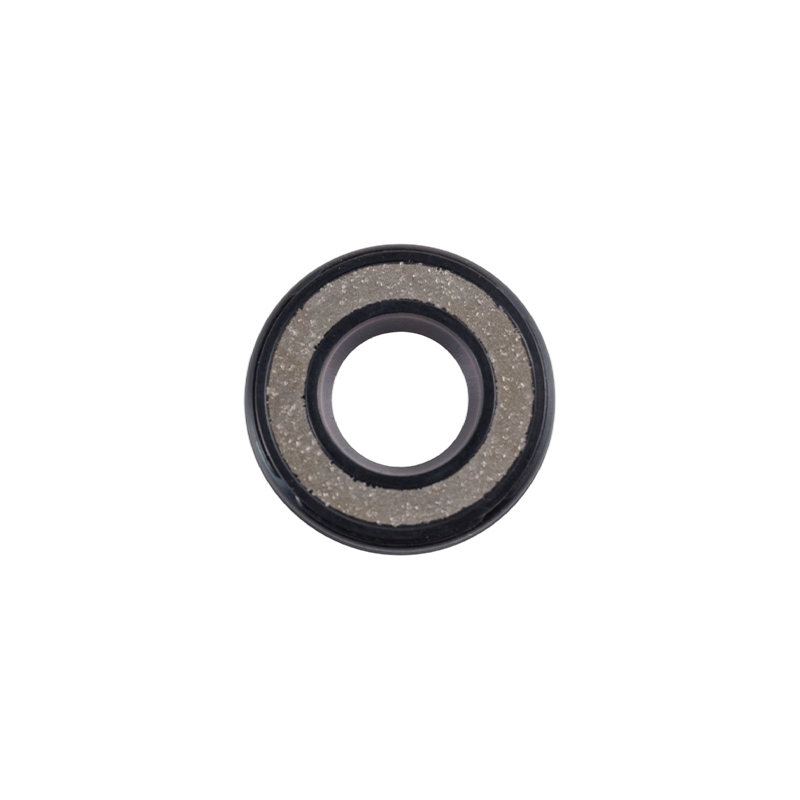
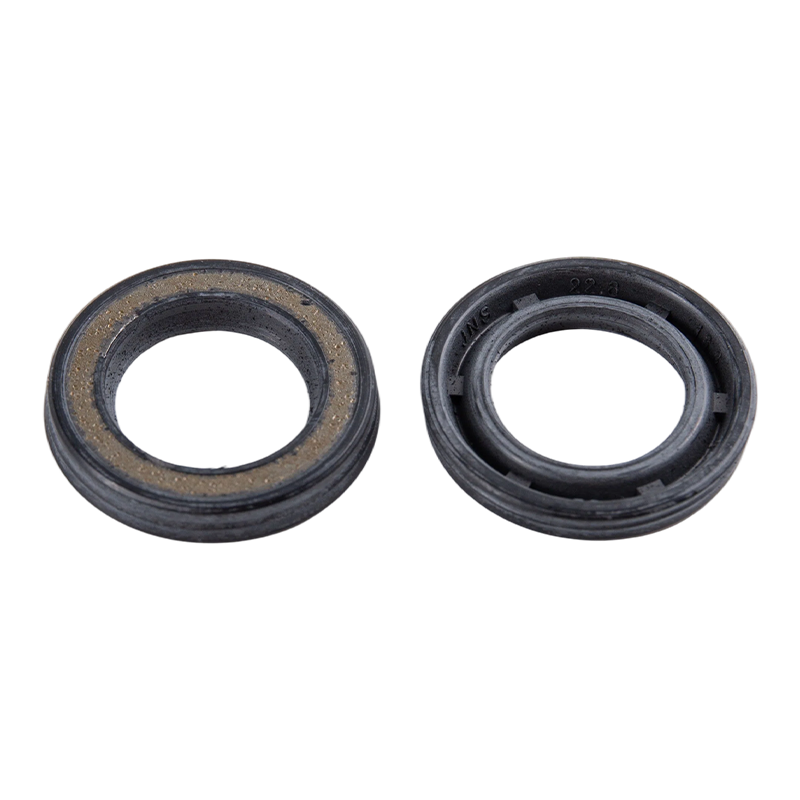
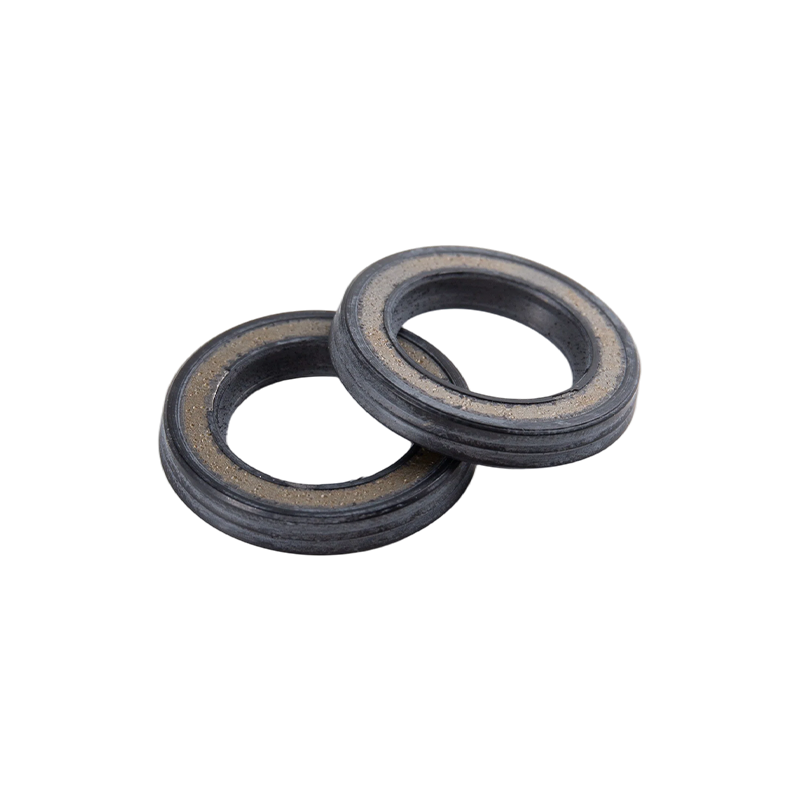
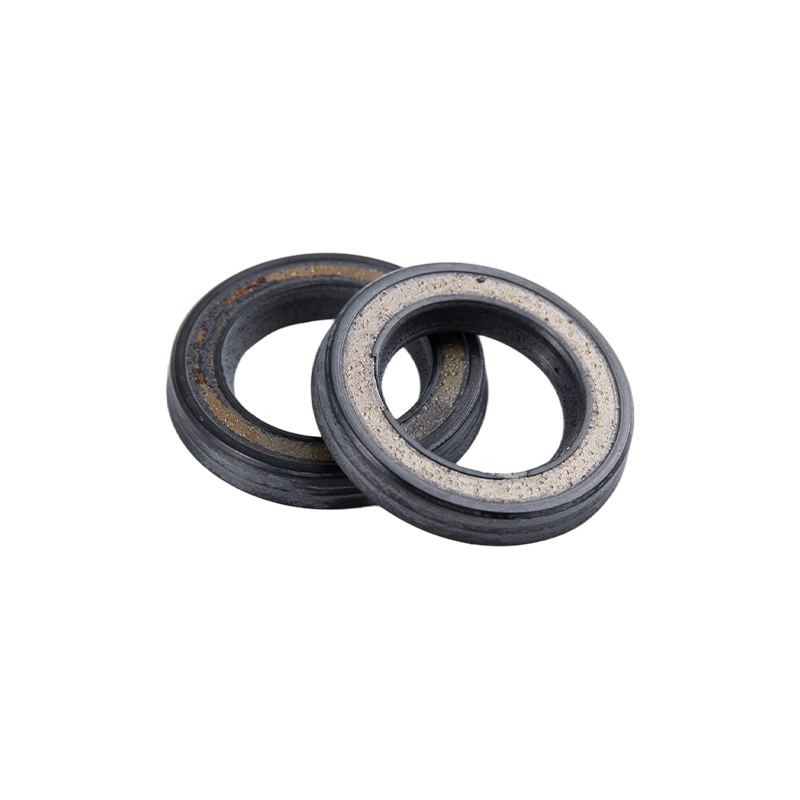
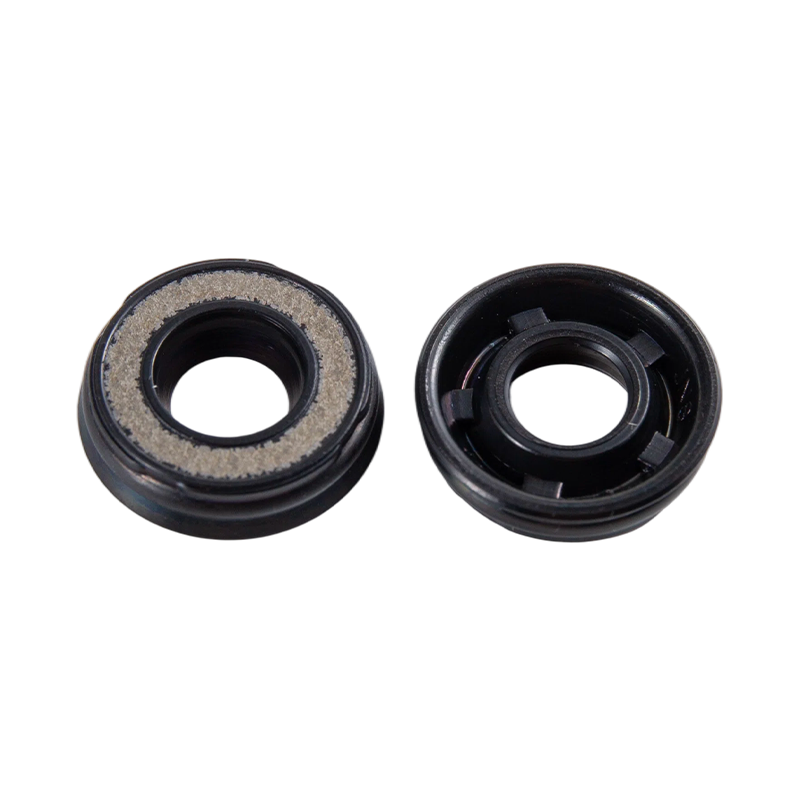
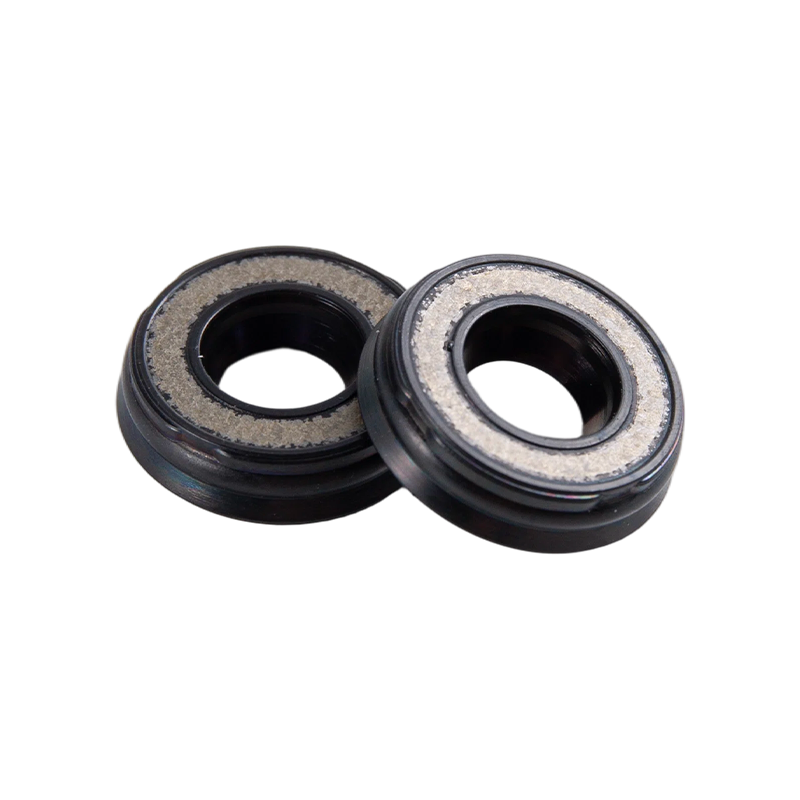
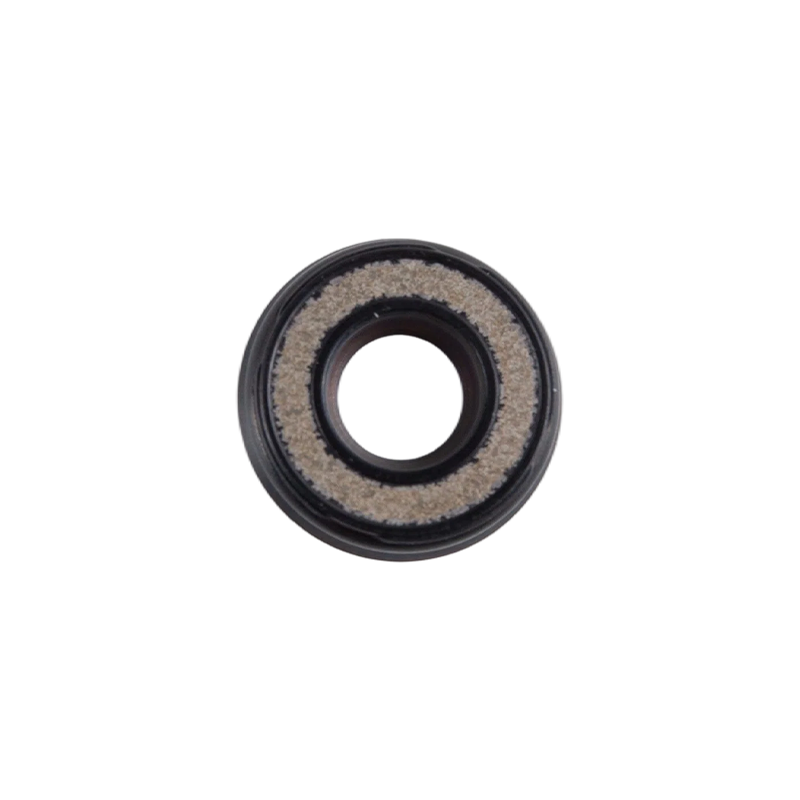
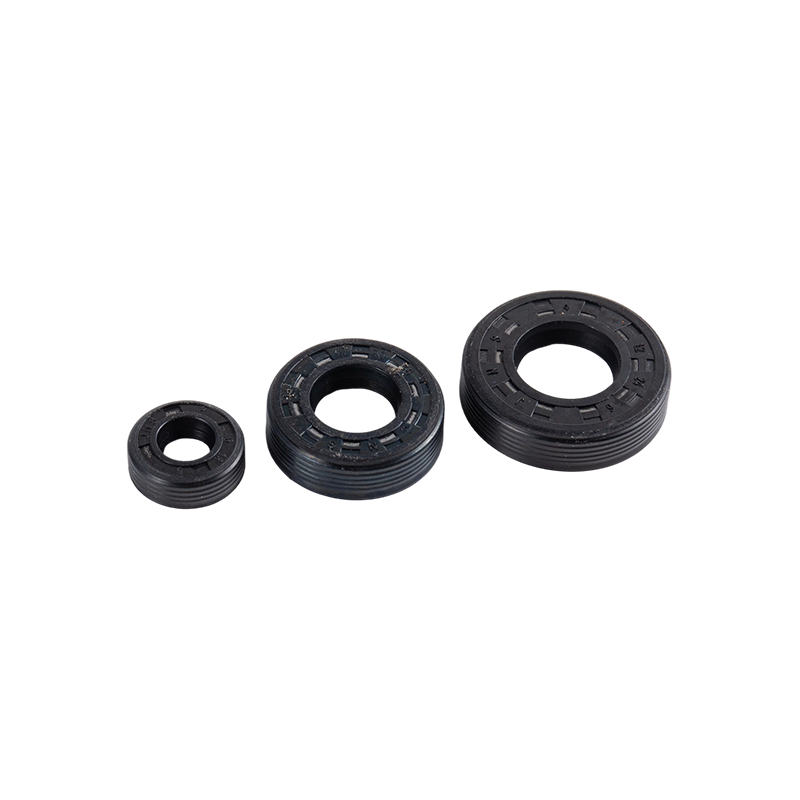
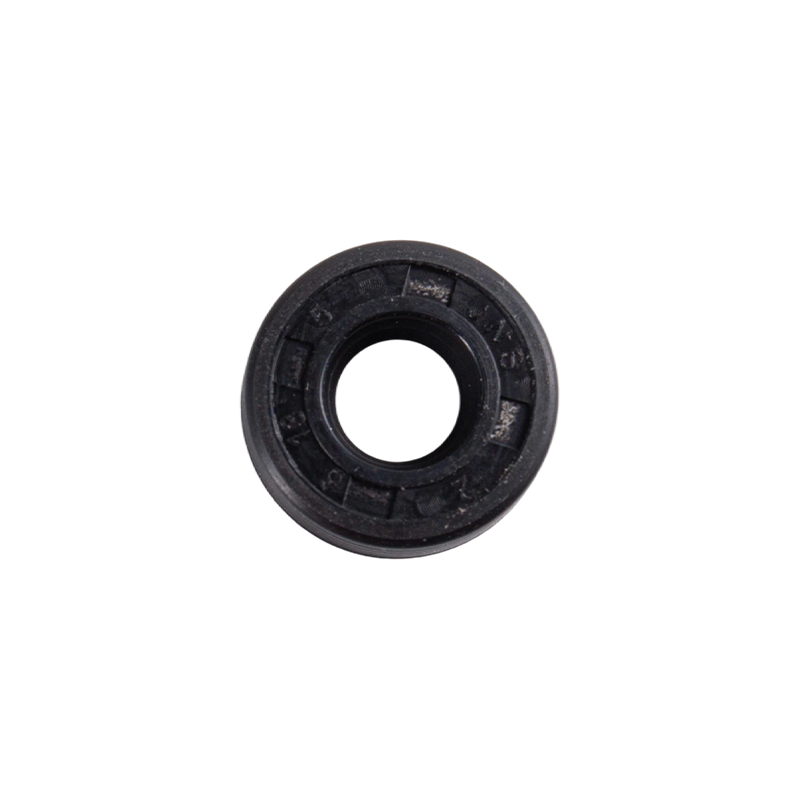
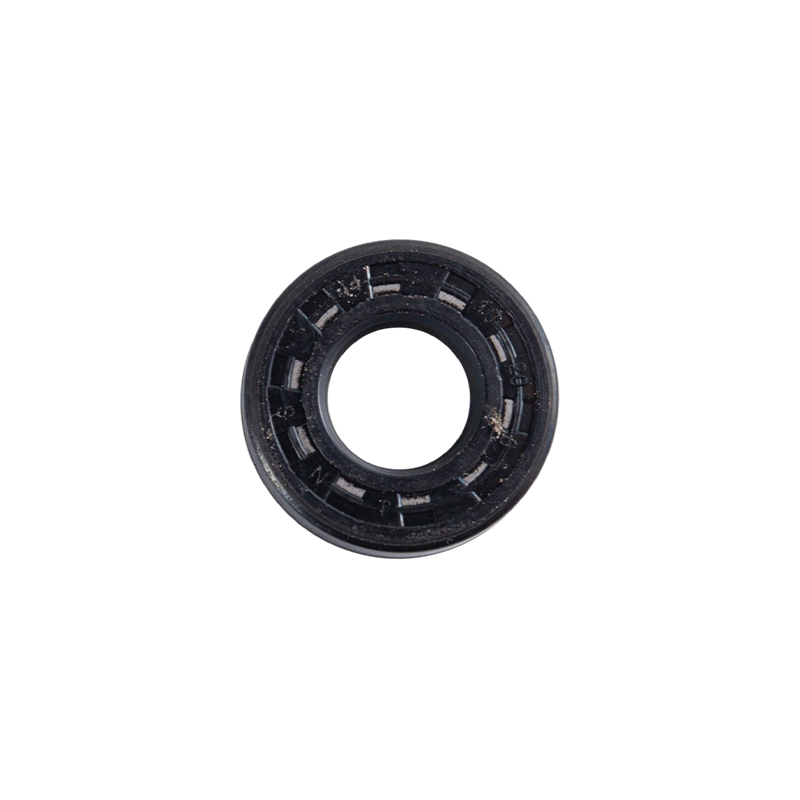
NBR/HNBR/FPM O Ring ODM Manufacturers
-
2500N Ultra-Strong Load Seal
-
25mm Standard Balanced Y-Seal
-
26mm Wide-Band Hydraulic Seal
-
3000N Peak-Load Sealing
-
26mm Large-Aperture Adapter Seal
-
26mm Durable Industrial Seal
-
25.9mm Precision-Gap Seal
-
29mm Large Actuator Seal
-
6000N Giant-Thrust Heavy Seal
-
Miniature Precision L-Type Piston Seal
-
Industrial Standard L-Ring Kinetic Seal
-
Medium-Duty Balanced L-Type Oil Seal

Message Feedback
About Us
JNS: Precision Sealing, Reliable Motion
– Engineered for Gas Springs & Dampers
Ningguo Jnsseals Sealing Technology Co., Ltd. is dedicated to gas spring and damper sealing technologies, including high-quality O-rings. We are China Round Rubber Ring Manufacturer and Wholesale NBR/HNBR/FPM O Ring ODM Factory. Since 2019, we have been delivering reliable, durable, and cost-effective sealing solutions to the automotive, furniture, home appliance, medical equipment, and construction industries. Whether facing extreme wear, high temperatures, or demanding long-life requirements, JNS is built to perform.
We believe that a great seal is not just a component—it's a promise. With automated smart manufacturing, eco-friendly processes, and rigorous quality control, JNS products excel in sealing performance, durability, and value. Choose JNS for stability, safety, and trust that lasts.
Contact: jns@jnsseals.cn
Read More


Ningguo Jnsseals Sealing Technology Co., Ltd.
Ningguo Jnsseals Sealing Technology Co., Ltd.
Ningguo Jnsseals Sealing Technology Co., Ltd.
Ningguo Jnsseals Sealing Technology Co., Ltd.
Ningguo Jnsseals Sealing Technology Co., Ltd.
Ningguo Jnsseals Sealing Technology Co., Ltd.
Ningguo Jnsseals Sealing Technology Co., Ltd.
What's News
Industry Insights & Updates
View All News
-
2026-09-03Industry news
-
2026-08-24Industry news
-
2026-08-17Industry news
Industry Knowledge
Molecular Structure: The Core Determinant of NBR, HNBR, and FPM O-Ring Performance Limits
For critical sealing applications, understanding the molecular architecture of elastomers is essential. The key chemical structure differences among NBR, HNBR, and FPM dictate their respective temperature and media resistance limits, making this knowledge fundamental for proper O-ring material selection.
NBR (Nitrile Butadiene Rubber): The Backbone of General Oil Resistance
- Chemical Structure: A copolymer of butadiene and acrylonitrile (ACN). The ACN content varies from 17% to 49%.
- Temperature Resistance: Standard grade: -40°C to +121°C. The ACN content directly affects low-temperature flexibility.
- Media Resistance: Excellent resistance to petroleum-based oils, mineral oils, and fuels. Weakness: Poor resistance to ozone, weathering, and strong acids.
- Performance Ceiling: The unsaturated double bonds in the butadiene segments make NBR vulnerable to heat, ozone, and aging, limiting its long-term durability in harsh environments.
HNBR (Hydrogenated Nitrile Butadiene Rubber): Enhanced Durability Through Saturation
- Chemical Structure: Produced by the hydrogenation of NBR, which saturates the double bonds in the butadiene segments.
- Temperature Resistance: -30°C to +150°C.
- Media Resistance: Retains the oil resistance of NBR but with significantly improved resistance to heat, ozone, and aging. Exhibits very good mechanical properties and abrasion resistance.
- Performance Ceiling: The hydrogenation process removes the weak points in the polymer backbone, resulting in a material that can withstand higher temperatures and more demanding environments than standard NBR. While it offers superior performance, it comes at a higher cost than NBR.
FPM/FKM (Fluorocarbon Rubber): The Benchmark for Extreme Environments
- Chemical Structure: Contains a high percentage of carbon-fluorine bonds, one of the strongest bonds in chemistry.
- Temperature Resistance: Excellent high-temperature stability, from -20°C to +200°C, with special grades capable of reaching up to +250°C.
- Media Resistance: Exceptional resistance to a wide range of chemicals, including mineral oils, synthetic oils, fuels, acids, and aliphatic/aromatic hydrocarbons. It also exhibits very low gas permeability and excellent resistance to weathering and ozone.
- Performance Ceiling: The strong carbon-fluorine bond provides unmatched chemical inertness and thermal stability. However, FPM is generally more expensive and has limited resistance to low temperatures and certain polar solvents like ketones.
Performance Comparison Table
| Property / Material | NBR | HNBR | FPM (FKM) |
|---|---|---|---|
| Temperature Range (Standard) | -40°C to +121°C | -30°C to +150°C | -20°C to +200°C |
| Oil Resistance | Good | Excellent | Excellent (Best) |
| Heat/Aging Resistance | Poor | Very Good | Excellent |
| Ozone/Weather Resistance | Poor | Excellent | Excellent |
| Abrasion Resistance | Good | Excellent | Good |
| Chemical Resistance (Acids, etc.) | Weak | Similar to NBR | Excellent |
| Cost Level | Low | Medium | High |
Frequently Asked Questions (FAQs)
1. What is the primary chemical difference that gives FPM superior chemical resistance over NBR?
The key difference lies in the carbon-fluorine (C-F) bond in FPM's polymer backbone. This bond is highly stable and resistant to chemical attack, making FPM suitable for aggressive media like strong acids and fuels. In contrast, NBR's butadiene segments contain carbon-carbon double bonds that are susceptible to attack by ozone, heat, and certain chemicals.
2. In what applications would Ningguo Jnsseals Sealing Technology Co., Ltd. recommend HNBR over NBR?
Ningguo Jnsseals Sealing Technology Co., Ltd. would recommend HNBR over NBR in applications demanding higher temperature resistance and longer service life. HNBR's hydrogenation process significantly improves its resistance to heat, ozone, and aging compared to NBR. This makes it ideal for automotive oil seals, high-temperature O-rings in industrial systems, and applications where mechanical properties like abrasion resistance are critical. While HNBR is more expensive, the extended service life often justifies the cost.
3. Why might Ningguo Jnsseals Sealing Technology Co., Ltd. choose FPM for a gas spring sealing application?
Ningguo Jnsseals Sealing Technology Co., Ltd. might choose FPM for gas spring seals that are exposed to very high temperatures or highly corrosive chemicals. Although FPM has a higher cost and lower low-temperature flexibility, its exceptional resistance to heat, ozone, and a broad range of chemicals ensures reliable sealing integrity in extreme environments. This is particularly important in automotive, aerospace, and chemical processing sectors where seal failure is not an option.
Understanding Common Failure Modes of Round Rubber Rings and How to Avoid Them Through Material Selection
Round Rubber Rings, commonly known as O-rings, are among the most widely used sealing elements in engineering. However, even the best-designed sealing systems can experience premature failure if the root causes are not properly understood and addressed during the selection process. Below we analyze the most common failure modes and provide targeted avoidance strategies.
1. Compression Set (Permanent Deformation)
- Description: The O-ring loses its elastic recovery capability after prolonged compression, resulting in a flattened cross-section and loss of sealing force.
- Root Cause: Excessive temperature, high compression ratio, or prolonged stress relaxation. Materials with poor heat resistance are particularly vulnerable.
- Avoidance Strategy: Select materials with superior heat resistance and low compression set characteristics. For high-temperature applications, FPM or HNBR are preferred over standard NBR. Additionally, optimize the groove design to ensure compression ratios are within recommended ranges (typically 15-25% for static seals).
2. Chemical Degradation and Swelling
- Description: Exposure to incompatible fluids causes the rubber to swell, harden, soften, or dissolve, leading to dimensional changes and seal failure.
- Root Cause: Mismatch between the elastomer material and the service medium (e.g., using NBR in contact with phosphate ester fluids).
- Avoidance Strategy: Carefully evaluate media compatibility prior to selection. For petroleum-based oils, NBR is suitable; for brake fluids and water-glycol mixtures, EPDM is recommended; for aggressive chemicals and high-temperature oils, FPM offers the broadest chemical resistance. Always consult chemical compatibility charts and conduct immersion tests when possible.
3. Extrusion and Nibbling (Gap Penetration)
- Description: Under high pressure, the O-ring material is forced into the clearance gap between mating surfaces, causing extrusion, tearing, or nibbling at the edges.
- Root Cause: Excessive system pressure, insufficient material hardness, or excessive clearance gaps in the gland design.
- Avoidance Strategy: Use higher hardness materials (Shore A 90 or above) for high-pressure applications. Where pressures exceed the material's capability without backup, install anti-extrusion backup rings (retainer rings) to protect the primary seal. Ensure gland clearances are within recommended limits based on system pressure.
4. Abrasion and Wear (Dynamic Applications)
- Description: Surface material is gradually removed by friction against the mating surface during reciprocating or rotary motion, leading to leakage.
- Root Cause: Rough surface finish of the mating parts, insufficient lubrication, or excessive contact pressure.
- Avoidance Strategy: Specify surface finishes of Ra 0.2-0.4 µm for dynamic sealing surfaces. Select materials with good abrasion resistance, such as HNBR or polyurethane. Ensure adequate lubrication is present and consider using optimized seal profiles to reduce friction where possible.
5. Thermal Degradation and Oxidation
- Description: Heat causes the rubber to harden, lose elasticity, and eventually crack due to oxidative chain scission or cross-linking.
- Root Cause: Operating temperature exceeds the continuous service limit of the selected material.
- Avoidance Strategy: Match the material's maximum service temperature to the application. NBR is suitable up to +121°C; HNBR up to +150°C; and FPM up to +200°C (with special grades reaching +250°C). For elevated temperature service, FPM and HNBR offer significantly superior thermal stability compared to NBR.
Performance Comparison Table by Failure Mode Resistance
| Failure Mode | NBR Resistance | HNBR Resistance | FPM (FKM) Resistance |
|---|---|---|---|
| Compression Set Resistance | Moderate | Good | Excellent |
| Chemical Resistance (Broad) | Limited | Moderate | Excellent |
| Extrusion Resistance (High Hardness Option) | Moderate | Good | Good |
| Abrasion Resistance | Good | Excellent | Good |
| Thermal Degradation Resistance | Poor | Good | Excellent |
| Max Continuous Temp (°C) | +121 | +150 | +200 |
Frequently Asked Questions (FAQs)
1. What is the most common cause of O-ring failure in hydraulic systems?
Compression set is frequently cited as the primary cause. As the O-ring loses its elasticity over time due to sustained compression and heat, the contact force drops below the pressure level, allowing leakage to occur. Ningguo Jnsseals Sealing Technology Co., Ltd. addresses this by recommending HNBR or FPM materials for applications with elevated temperatures, as these materials exhibit significantly lower compression set compared to standard NBR.
2. How does Ningguo Jnsseals Sealing Technology Co., Ltd. help customers prevent premature O-ring failures?
Ningguo Jnsseals Sealing Technology Co., Ltd. provides comprehensive technical support and customized sealing solutions. Through its advanced testing capabilities and application engineering expertise, JNS assists customers in selecting the optimal elastomer based on the specific temperature, pressure, and chemical environment. Additionally, JNS conducts design validation and provides installation guidelines to ensure the entire sealing system operates reliably.
3. Why is surface finish critical for dynamic O-ring applications, and what is the recommended value?
In dynamic applications, surface roughness of the mating parts is critical because a rough surface will accelerate abrasion wear on the O-ring, while an overly polished surface may hinder the formation of a lubricating fluid film. The generally recommended surface finish is Ra 0.2 to 0.4 µm (8-16 µin). Ningguo Jnsseals Sealing Technology Co., Ltd. offers design consultation to ensure this parameter is correctly specified, thereby minimizing wear and extending seal life.


Want to know more
about us?
about us?

Precision sealing for gas springs and dampers. Durable, wear-resistant, and built for long-life performance in demanding applications.
Product Categories
Quick Links
Contact Us
-
Email: jns@jnsseals.cn

-
Manager Gong: +86-18563770820

-
Manager Wang: +8615357558902
-
No. 5, Meilin Avenue, Meilin Industrial Development Zone, Ningguo City, Anhui Province, China

