

 English
Brief Description of Sealing Characteristics
Brief Description of Sealing Characteristics
Brief Description of Sealing Characteristics
Brief Description of Sealing Characteristics
Brief Description of Sealing Characteristics
Brief Description of Sealing Characteristics
Brief Description of Sealing Characteristics
Brief Description of Sealing Characteristics
Brief Description of Sealing Characteristics
Brief Description of Sealing Characteristics
Brief Description of Sealing Characteristics
Brief Description of Sealing Characteristics
Brief Description of Sealing Characteristics
Brief Description of Sealing Characteristics
Brief Description of Sealing Characteristics
Brief Description of Sealing Characteristics

Industry news
NEW Category
Contact us
Brief Description of Sealing Characteristics
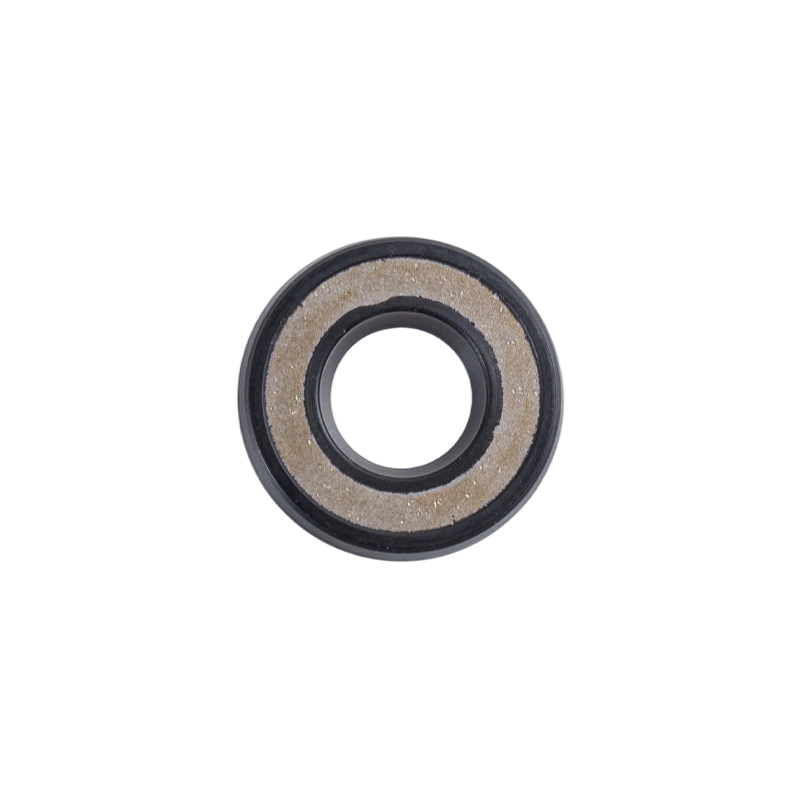
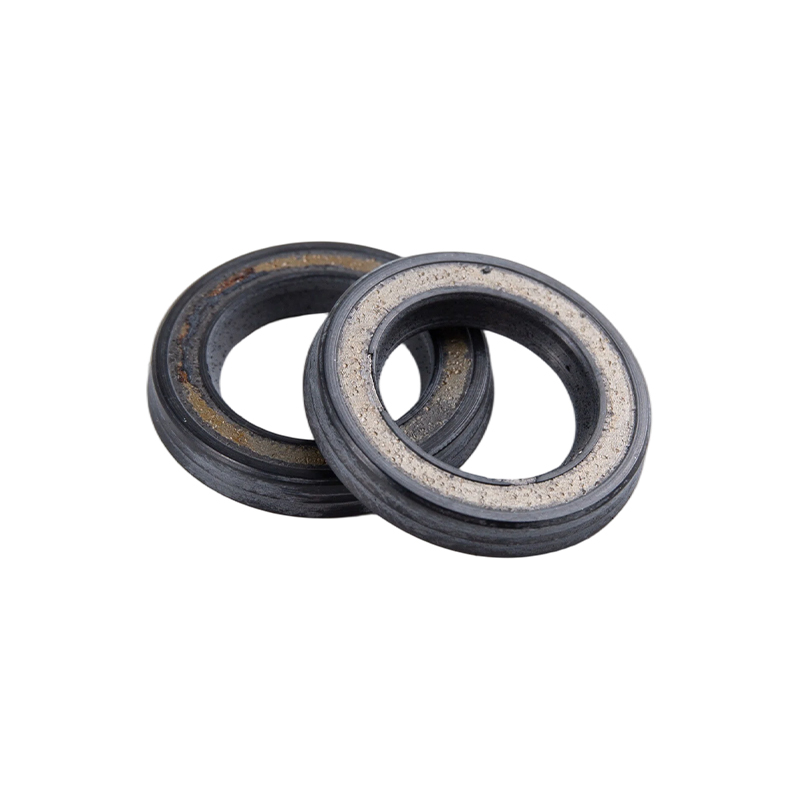
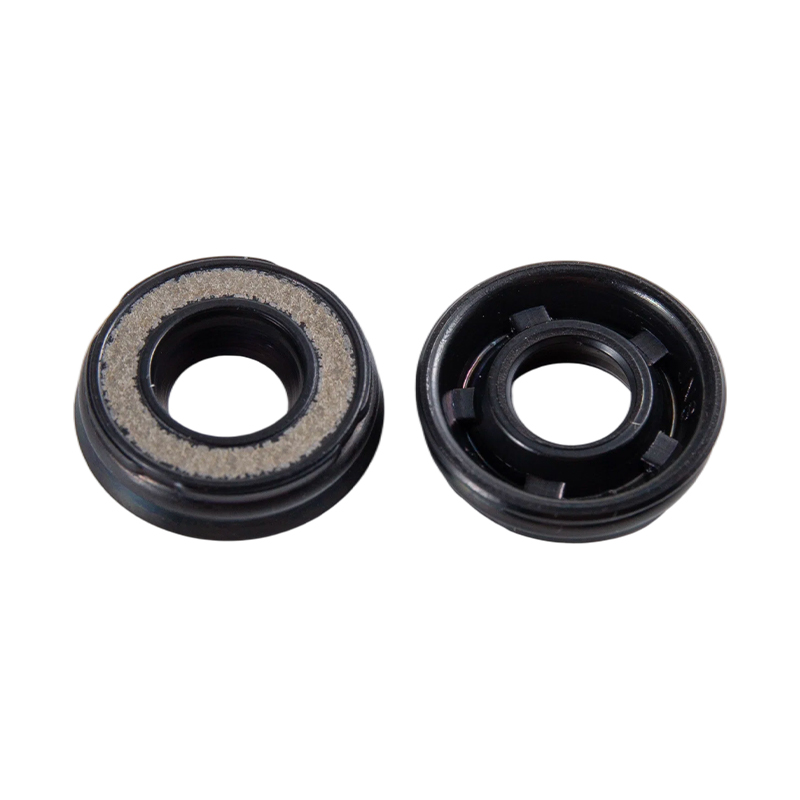
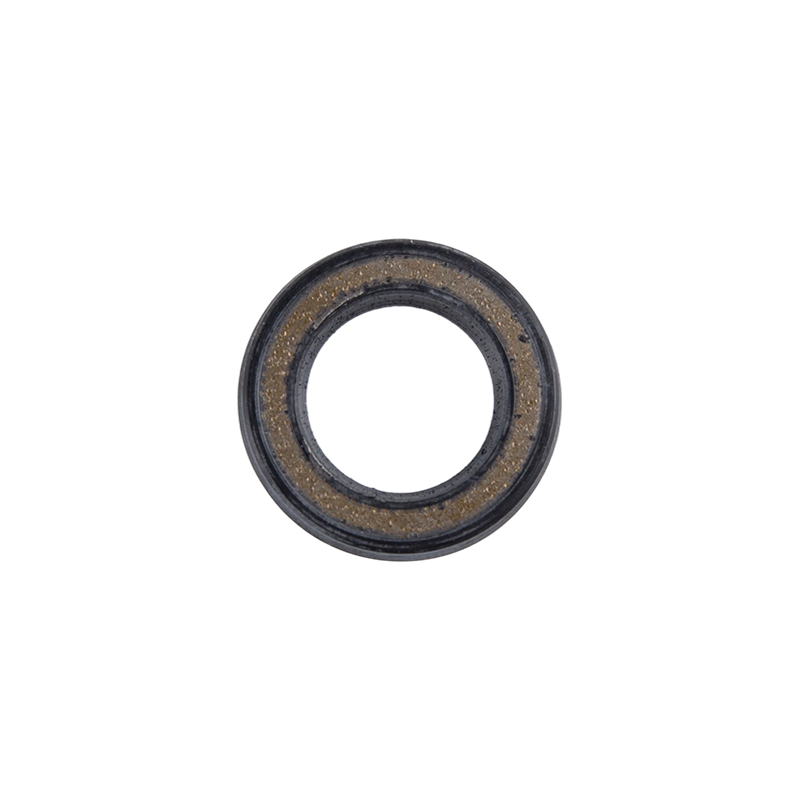
A seal is a material or component used to prevent fluid or solid particles from leaking between adjacent mating surfaces and to prevent external contaminants such as dust and moisture from entering machinery or equipment.
(1) Select the appropriate seal material and hydraulic fluid, ensuring adaptability to operating temperatures and compatibility with the oil.
(2) High geometric position accuracy (concentricity) of the sliding parts relative to the seal, good material quality (e.g., hard chrome plating), and fine surface roughness can extend service life.
① For oil seals used on hydraulic pump and motor shaft journals, the sliding surface roughness should be within Ra 0.25 μm, and hard chrome plating is required. During installation, the radial spring force of the seal lip should be properly adjusted to achieve appropriate tightness. An installation sleeve or thin gasket should be used to protect the seal ring, preventing the lip from turning over or twisting, which could cause the spring to slip out.
② The inner surface of hydraulic cylinder barrels is commonly finished by rolling, which not only improves surface roughness but also creates a cold-worked hardening layer, helping to extend the service life of the sealing ring. In addition, operating pressure, sliding surface length, and seal type also significantly affect service life. Therefore, scheduled inspection intervals should be determined based on these conditions.
③ Good lubrication of the sealing surface and prevention of contamination ingress are essential. Using hydraulic fluid that meets specified cleanliness levels and following correct installation methods are also key factors.


Want to know more
about us?
about us?

Precision sealing for gas springs and dampers. Durable, wear-resistant, and built for long-life performance in demanding applications.
Product Categories
Quick Links
Contact Us
-
Email: [email protected]

-
Manager Gong: +86-18563770820

-
No. 5, Meilin Avenue, Meilin Industrial Development Zone, Ningguo City, Anhui Province, China

Copyright © Ningguo Jnsseals Sealing Technology Co., Ltd.
